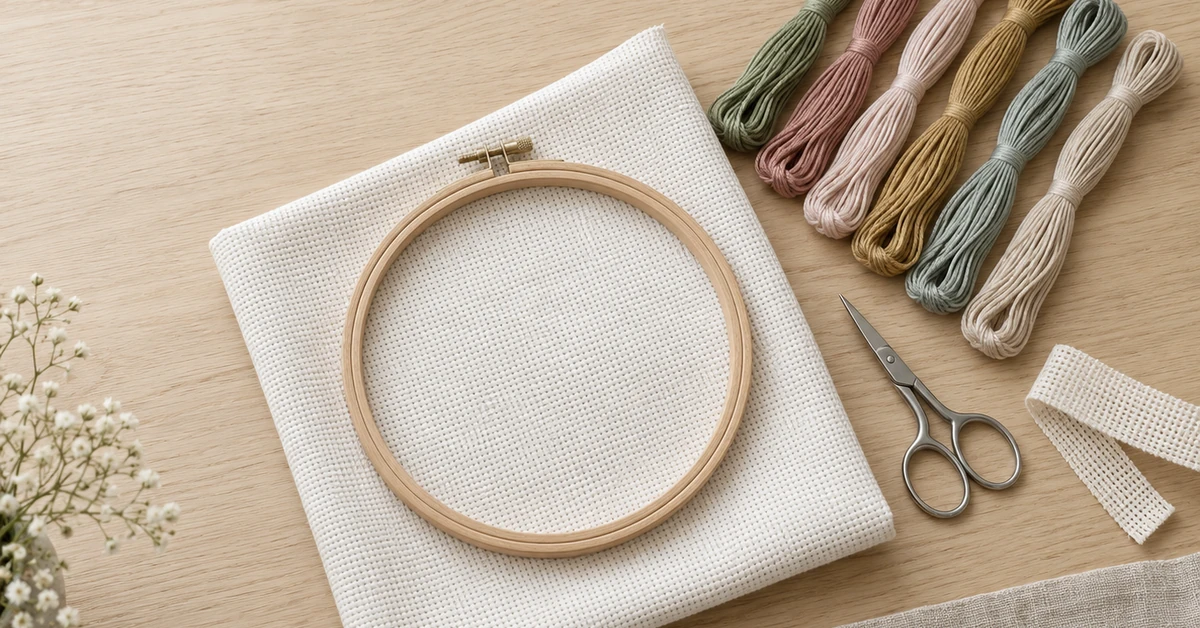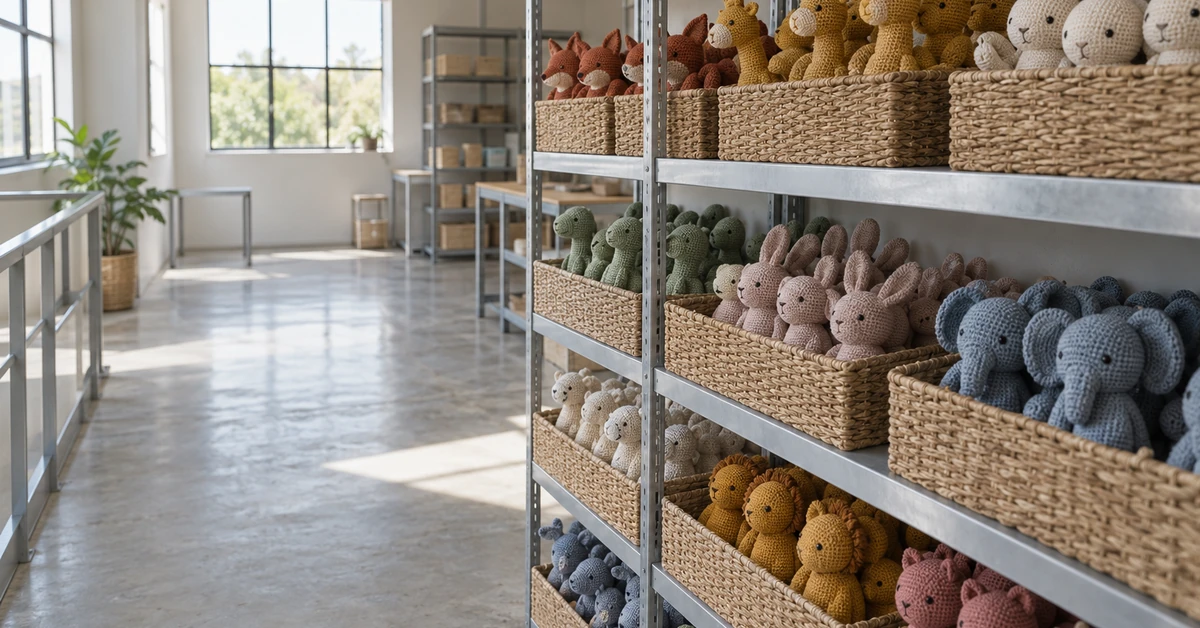

A laboratory cannot choose the right test plan from the phrase “DIY craft kit.” The same materials might be sold as an adult hobby product, a children’s activity kit, a decorative item, a finished toy or a set containing tools. Each description can change the applicable rules, warnings, documents and evidence.
The first step in mapping craft product compliance requirements is therefore classification, not testing. Define what the product is, who will use it, where it will be sold, which materials and components it contains, what the packaging claims, and who performs each legal role in the supply chain.
This decision tree helps private-label buyers organize those questions before requesting quotations or sending samples to a laboratory. It is general sourcing guidance, not legal advice. Confirm current market-specific obligations with qualified compliance professionals and test providers.
Decision 1: What exactly is the product?
Write a one-sentence product definition that describes the customer activity and finished result. Examples include:
- An adult beginner crochet kit for making one decorative plant.
- A children’s sewing activity kit with pre-cut felt pieces and a blunt needle.
- A finished crocheted character sold as a collectible decoration.
- A portable sewing repair kit containing needles, scissors and thread.
Do not assume the supplier’s catalogue name is the legal classification. Intended use, foreseeable use, presentation, instructions, age statements and marketing all matter. If the buyer calls an item “decor” while the imagery and play features clearly target children, the label alone may not control the outcome.
Decision 2: Who is the intended and foreseeable user?
Define age positioning and skill level early. An age claim affects design, components, warnings, instructions and testing. A product should not be positioned for adults simply to avoid requirements if its design, characters, sales channel and advertising attract children.
For the United States, the US Consumer Product Safety Commission provides business guidance on children’s products, including factors used to determine whether a product is designed or intended primarily for children 12 years of age or younger. The buyer should review the current rules that apply to the specific item.
Create a user profile that includes age, supervision, required skills, sharp tools, small components, expected project time and what the customer does with the finished object.
Decision 3: Which markets and sales channels apply?
A document accepted for one country does not automatically cover another. List every launch market and selling channel before testing. Online marketplaces may request documents in a particular format even when the underlying legal responsibility remains with the relevant economic operator.
For the European Union, the General Product Safety Regulation provides the horizontal framework for consumer-product safety, while product-specific rules may also apply. The European Commission maintains separate official guidance on toy safety. The United Kingdom publishes product safety advice for businesses and market-specific guidance.
Record the importer, manufacturer, brand owner, distributor, responsible person or other required role for each market. Names and addresses on packaging and technical files should match the actual supply arrangement.
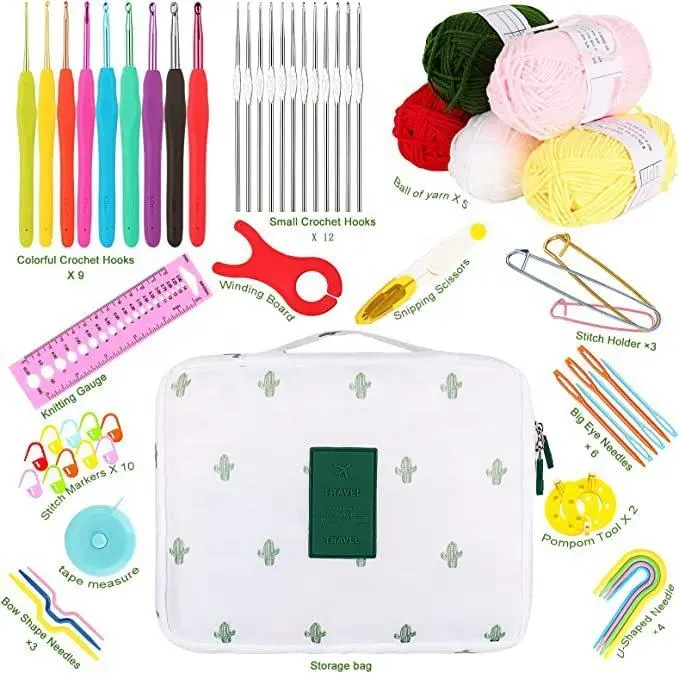
Decision 4: What materials, tools and accessories are included?
Build a bill of materials before choosing tests. Include yarn, fabric, thread, filling, needles, hooks, scissors, adhesives, printed cards, coatings, dyes, eyes, buttons, beads, magnets, key rings, packaging and any electronic or scented component.
For each item, record:
- Material and specification.
- Supplier or controlled source.
- Color, finish and treatment.
- Intended contact and user interaction.
- Potential sharp point, small-part, chemical, flammability or mechanical concern.
- Evidence required from the component supplier.
A kit is a system. Testing one yarn color does not necessarily justify an undocumented replacement. Approving a finished project does not cover the loose needle or accessory that the customer handles during the activity.
Decision 5: What does the package promise?
Review the product name, age claim, difficulty, finished size, use instructions, warnings, care statements, material claims, country-of-origin information, environmental claims and images. Packaging should not create an intended use that conflicts with the technical file.
Check translations for meaning, not only spelling. A warning that is accurate in English may become vague in another language. Confirm barcode placement and marketplace labels without covering required information.
Keep the listing page aligned with the physical product. Online titles, bullets and images can influence classification and customer expectations just as packaging does.
Decision 6: What evidence supports the final production item?
Agree with a qualified laboratory or compliance specialist on the applicable standards and test plan. The tested sample should match production in materials, components, construction and intended use. Record model numbers and the relationship between variants.
A typical evidence pack may include:
- Product description and intended user.
- Bill of materials and component specifications.
- Risk assessment.
- Test reports and sample identification.
- Labels, warnings, instructions and artwork.
- Declarations or certificates required by the applicable regime.
- Supplier and economic-operator information.
- Production quality and traceability records.
- Change history and approval records.
Ask how long records must be kept, who holds them, and how quickly they can be supplied to a marketplace or authority.
A practical document matrix
A buyer’s craft product compliance requirements file should connect every classification decision to a document, responsible owner and release milestone.
| Question | Working document | Owner |
|---|---|---|
| What is the product and who uses it? | Classification memo and intended-use statement | Brand/compliance team |
| What is inside? | Bill of materials and component specifications | Supplier and product team |
| What could go wrong? | Risk assessment and test plan | Compliance specialist/laboratory |
| What does the customer see? | Approved labels, instructions and listing copy | Brand, legal and design teams |
| What was tested? | Test report linked to controlled samples | Laboratory and compliance team |
| What may change? | Change-control and re-evaluation procedure | Buyer and supplier |
Do not let testing become a one-time event
Production changes can invalidate earlier assumptions. Create a written approval rule for changes to yarn, dye, fabric, filling, accessories, coatings, adhesives, tools, packaging, age claims, instructions and production sites.
When a change is proposed, ask:
- Does it change the product classification or intended use?
- Does it change a material, hazard or performance characteristic?
- Does the existing evidence still cover the new version?
- Is additional testing, documentation or labeling required?
- Who approves release before production continues?
Send a compliance brief before asking for the final price
Create a one-page brief listing the product definition, intended user, age positioning, launch markets, sales channels, materials, tools, key claims, required labels, test responsibility and document owner. Mark unresolved classification questions clearly.
The supplier can then quote controlled materials, packaging space, sample quantities and documentation work against a visible requirement. Without the brief, one quotation may include a standard material while another assumes a tested branded source, making price comparison unreliable.
Ask the laboratory or specialist to review the product rather than asking the supplier to choose every requirement. The supplier provides material and process evidence; the buyer and qualified advisers define the market plan. Record the final decision in the product specification so purchasing, design, testing and production work from the same classification.
Common compliance mistakes in craft sourcing
Starting with a generic test list
A test package chosen before classification may omit relevant requirements or add unnecessary cost. Define the product and market first.
Testing only the finished craft
The customer handles loose tools, materials and accessories during the project. Review the full kit and foreseeable use.
Using one report for different materials
Color, coating, supplier or component changes may affect coverage. Build a variant rationale with specialist input.
Treating packaging as a late design task
Age claims, warnings, importer information, instructions and environmental claims need space and review. Late changes create reprinting and launch risk.
Confusing factory audits with product compliance
A social audit or quality-system review can support supplier due diligence, but it does not replace product classification, testing and market documentation. Onehourcrafts’ BSCI factory audit checklist addresses a separate evidence layer.
Where Onehourcrafts fits
Onehourcrafts supports OEM/ODM development across crochet, other craft formats and sewing products. Product briefs can include material specifications, kit contents, instructions, packaging, labeling and destination-market document requirements.
The buyer remains responsible for identifying applicable obligations and obtaining appropriate professional advice. Sending requirements early allows the sample, bill of materials, package and quotation to be developed around the same market plan.
Frequently asked questions
Does every craft kit need the same tests?
No. Testing depends on classification, intended user, materials, tools, construction, claims and market. Ask a qualified provider to define the plan for the actual product.
Can an adult age label remove children’s-product requirements?
Not by itself. Product design, marketing, characters, play value, sales channel and foreseeable use may all influence classification.
Should packaging be approved before testing?
Key claims, age positioning, warnings and instructions should be considered before the test plan. Final artwork can follow after evidence and required text are confirmed.
When is retesting needed?
Potential triggers include material, component, supplier, construction, color, claim, age, package or market changes. Use specialist advice to decide whether existing evidence remains valid.
Who should keep the technical documents?
Responsibilities depend on the market and supply-chain role. Define who creates, reviews, stores and supplies each document before launch.
Classify first, then build the evidence
The safest way to manage craft product compliance requirements is to make the product definition visible before requesting tests. Connect intended use, user, market, bill of materials, claims, evidence and change control in one project file.
Contact Onehourcrafts with your product concept, intended user, quantity, destination market, contents, packaging and document requirements to discuss an OEM/ODM sample plan.