
A crochet home decor wholesale range is easier to buy when it behaves like a room set rather than a random rack of handmade-looking pieces. Onehourcrafts starts with the room, the distance from which the product will be seen and the practical care boundary. This makes scale, color, packaging and reorder logic visible before a lifestyle collection becomes expensive to maintain.
Choose one room story
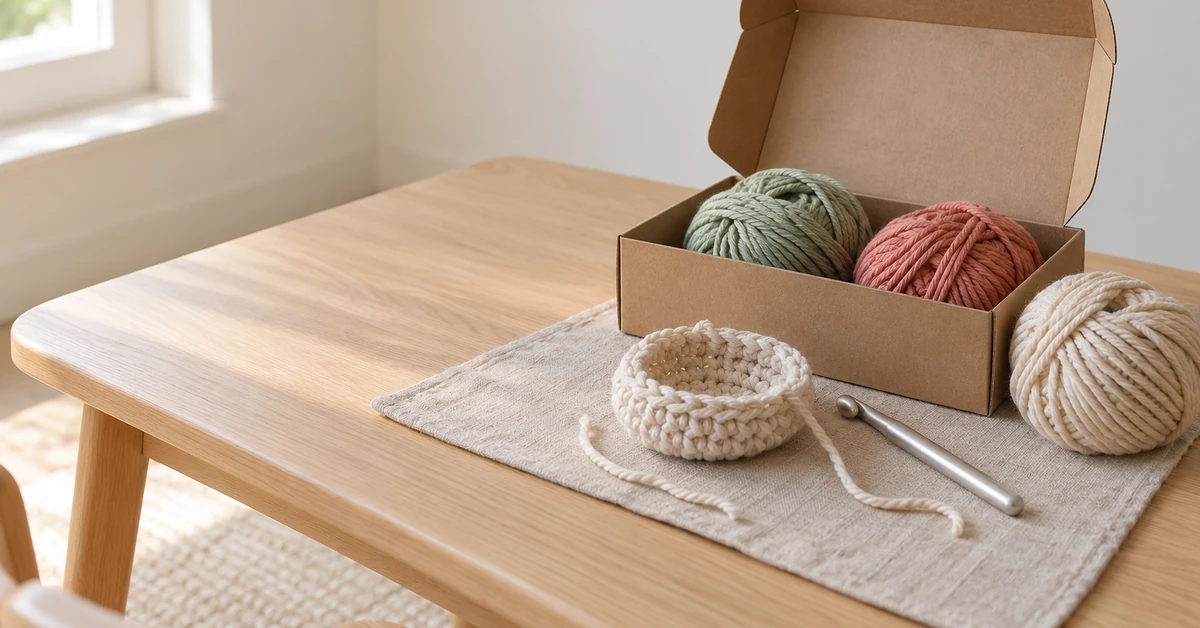
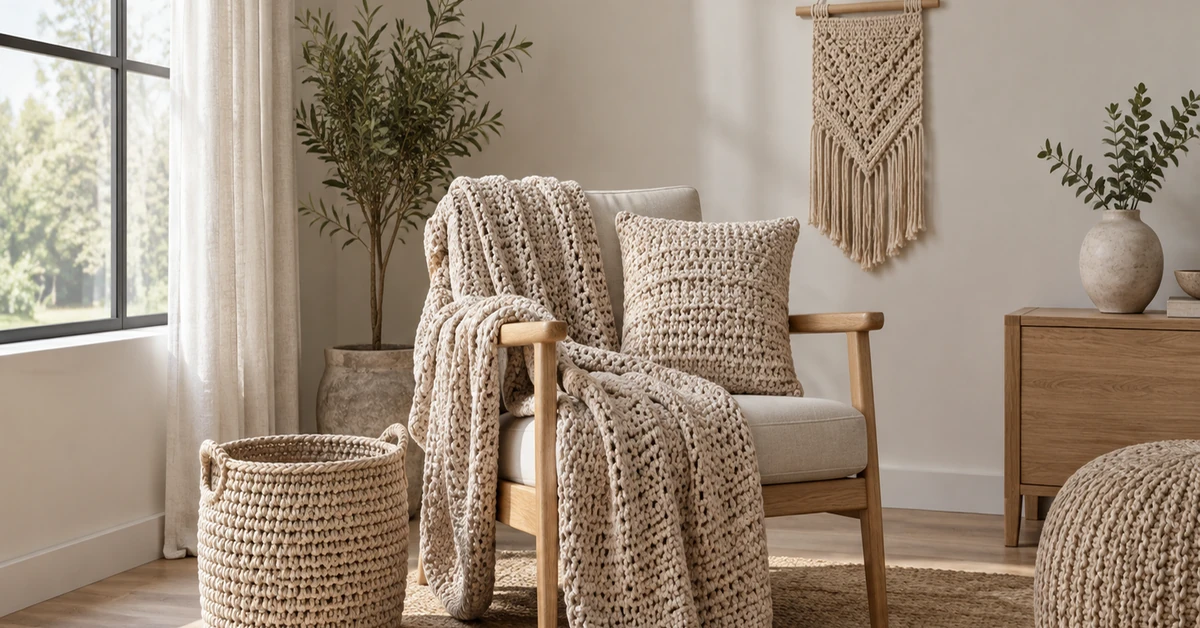
Start with one setting: a reading corner, a nursery shelf, a compact entryway or a relaxed bedroom. The setting gives the buyer a reason to compare a basket, textile accent and small object together. It also prevents the range from collecting unrelated shapes because each sample is charming on its own.
A room story is not a promise that every customer will style the pieces the same way. It is a buying lens. Write the intended mood, customer and price neighborhood, then let each proposed SKU justify its place in that story. This makes room set merchandising an observable buying method rather than a decorative phrase.
| Room lens | Useful question | Evidence |
|---|---|---|
| Reading corner | Does the texture feel calm? | Styled vignette |
| Nursery shelf | What is safe to handle? | Material review |
| Entryway | Can the piece earn a small footprint? | Shelf test |
Map the visual scale
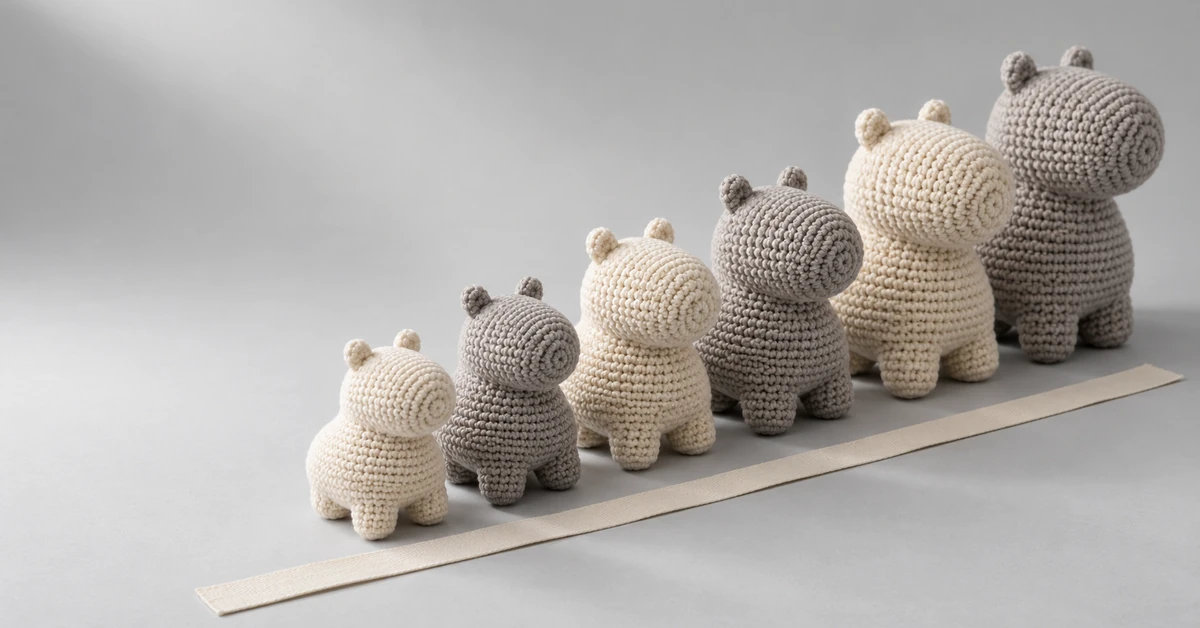
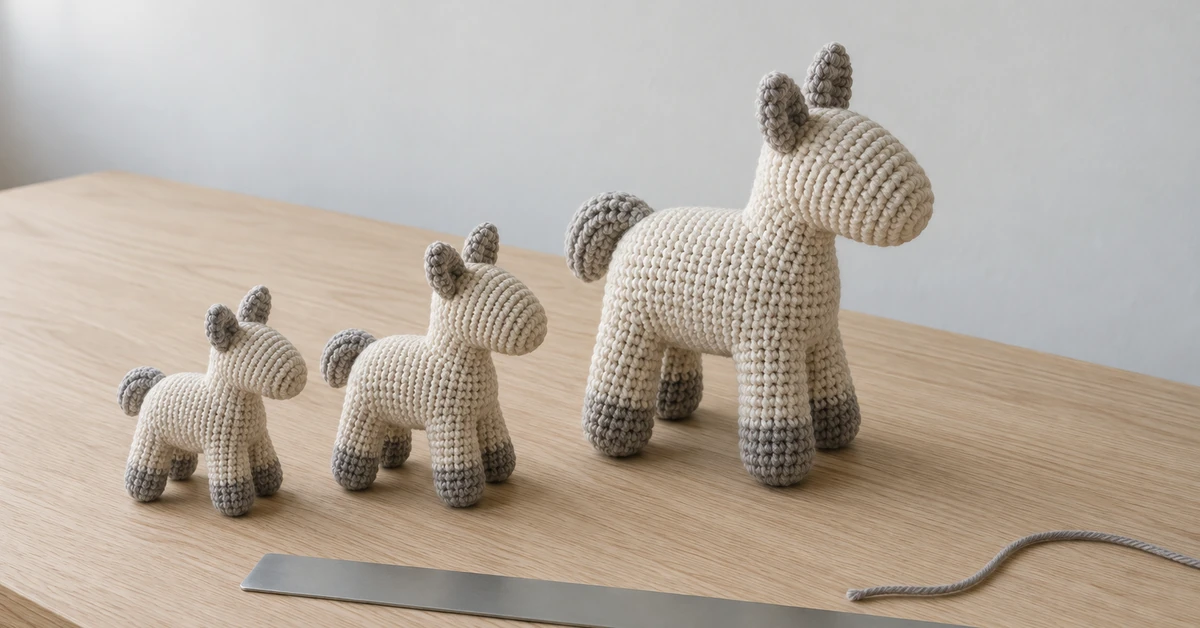
Place the proposed pieces on a real shelf or tabletop and photograph them from the distance at which a shopper will see the display. A small coaster, a medium basket and a large wall piece should not compete for the same visual weight.
Use measurements, not adjectives such as small or generous. Scale affects freight, pack size, care, and the amount of open space a retailer must reserve. A coherent collection may use different sizes, but their relationship should be intentional.
- Displayed size
- Viewing distance
- Pack footprint
- Open space
Give texture a job
Texture should help the room story or the object's use. A raised stitch can add grip to a basket, a flatter construction can suit a table surface and a softer surface can support a cushion cover. Ask the supplier to connect the stitch or yarn choice to the chosen job.
Do not treat visible complexity as a quality score. Inspect the production-intent sample for consistency, snag risk and the way the material behaves after folding or packing. The buyer needs a usable boundary, not a promise that every stitch looks identical by eye.
| Object | Texture job | Check |
|---|---|---|
| Basket | Grip and body | Edge and base |
| Cushion | Soft hand | Seam and recovery |
| Accent | Visual rhythm | Shape after pack |
Build a color bridge
A room collection needs a bridge color that lets different items sit together. Choose a core neutral, one accent family and one optional seasonal note. Then place the samples under the store's actual light, because warm and cool lighting can change how a yarn story reads.
Record the yarn or material reference behind each named color. If an accent is discontinued, define whether it is replaced by a close reference, removed from the set or sold as a limited run. A color bridge should support the next order, not only the launch photo.
- Select the bridge
- Check store light
- Attach material references
- Write the replacement rule
Design the care sentence
Home pieces invite questions about dust, spills, storage and washing. Write a care sentence that matches the actual material and construction, then test whether a store associate can explain it without inventing a promise. The sentence belongs on the product journey, not only in a supplier message.
For crochet home accessories, a realistic care boundary can be more useful than a broad claim about durability. Note what the buyer expects the customer to do, what the product should avoid and what evidence supports the chosen language.
| Care moment | Question | Record |
|---|---|---|
| Dust | Can it be brushed? | Surface test |
| Spill | What is the first action? | Care copy |
| Storage | Does shape recover? | Fold test |
| Wash | Is it allowed? | Qualified guidance |
Test the pack in the room
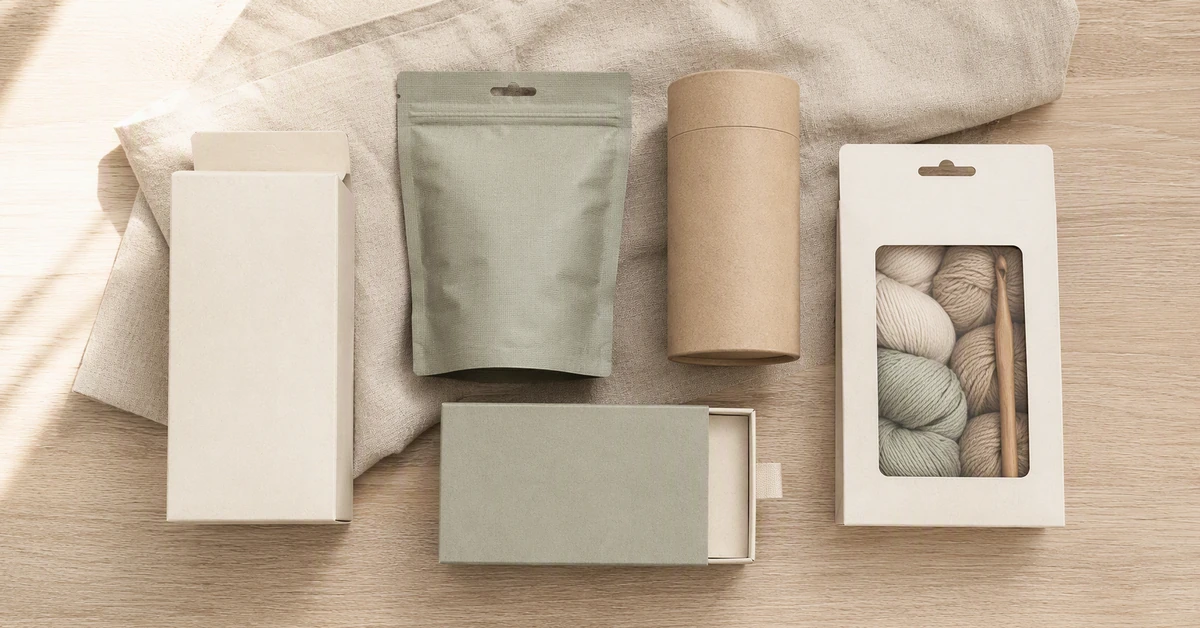
Packaging can interrupt a room-set story when every piece arrives in a different scale or material. Place packed units beside the intended display and compare the first impression with an opened reference. The pack should protect shape while leaving enough information and texture for a buyer to understand the item.
A flat pack may reduce freight but hide volume; a formed pack may protect shape but take more shelf space. Ask the supplier to show the packed and opened states together, with the pack dimensions attached to the quote.
- Packed footprint
- Opened footprint
- Shape retention
- Information visible
Make the room survive a substitution
A yarn, color, label or carton substitution can change the relationship between pieces. Choose one plausible change and rebuild the room set. Observe whether the collection still reads as one story, whether the care sentence remains accurate and whether the display needs a new photograph.
This is a change-control exercise, not a prediction of every future issue. Keep the original and substituted references side by side so the buyer can approve a change with its visual and operational consequences visible.
| Change | Room risk | Approval view |
|---|---|---|
| Yarn | Texture shift | Hand and photo |
| Color | Bridge breaks | Styled set |
| Pack | Scale changes | Shelf plan |
Price the set as a route
Retailers may sell a small accent alone, a pair together or a room collection over time. Build price scenarios around those routes instead of treating every item as an isolated unit. Include the pack, display allocation, landed cost and likely reorder unit.
A set can improve discovery while making slow-moving pieces harder to replace. Write which SKU may be reordered alone and which depends on a matching color or size. The commercial rule should be clear before the collection reaches the sales floor.
| Route | Customer action | Buyer question |
|---|---|---|
| Single | Try one accent | Is the item self-explanatory? |
| Pair | Coordinate two pieces | Can colors bridge? |
| Room set | Build a scene | Can stock support it? |
Photograph the negative space
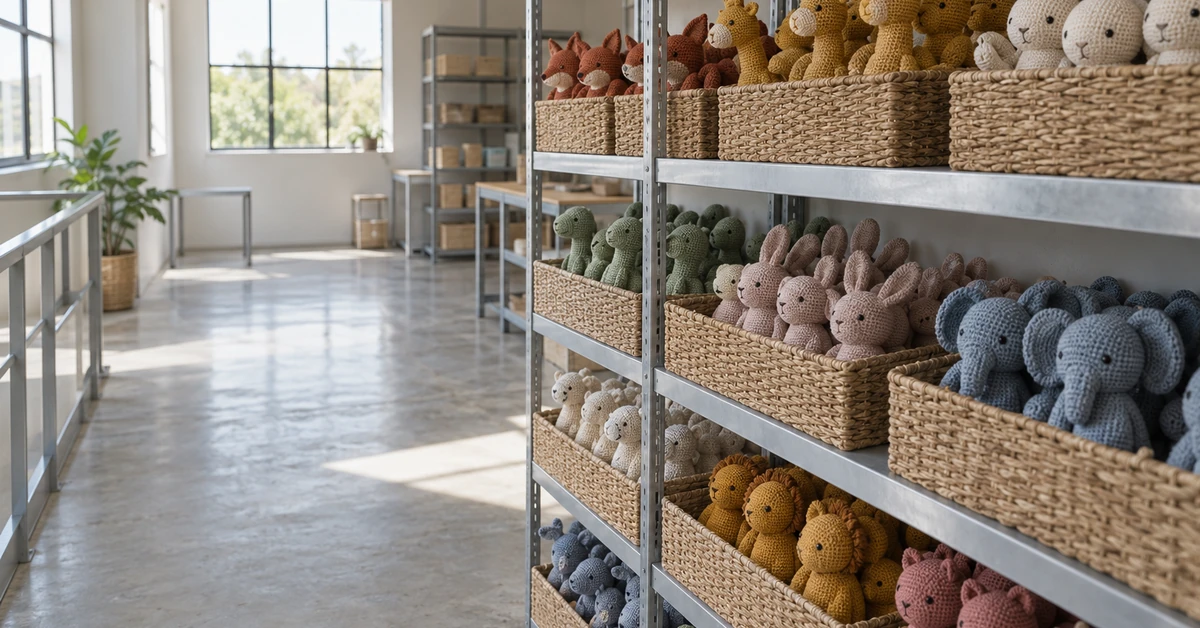
A strong room set includes quiet space around the product. Photograph the shelf with the gaps, neighboring categories and the backstock route visible. This shows whether the collection needs an entire fixture or can live as a small, coherent story.
The image should support a planogram conversation, not become a promise that every store has the same furniture. Note the shelf width, viewing distance and pack depth so another buyer can reproduce the test on a different fixture.
For a crochet home decor wholesale range, the negative space is part of the commercial decision. It tells the buyer whether a basket needs a companion, whether a cushion is being crowded by smaller accents and whether a seasonal story can enter without dismantling the core set.
- Set the shelf
- Leave intentional gaps
- Add neighboring products
- Record the fixture
Carry the room story into receiving
Give the receiving team a styled photograph, an operational SKU list and the expected pack hierarchy. Ask them to open one carton, identify each piece and rebuild the smallest version of the room story. This shows whether the commercial idea survives after the sample meeting.
Compare the result with the product-photography checklist. The ISO quality management principles can help frame ownership and evidence without certifying the collection. Record any item that becomes ambiguous when the styled context disappears.
- Styled image
- Operational SKU
- Opened carton
- Receiving note
Write the RFQ as a room brief
State the room story, customer, piece types, measurements, materials, care boundary, color bridge, pack dimensions, display view, quantity scenarios and replacement rules. Ask the crochet decor supplier for a sample set that can be styled, folded, packed and reordered.
Connect the brief to the crocheted-products collection and the buying-guide library. For identifier questions at different pack levels, the GS1 standards overview is a useful orientation source; implementation still belongs to the responsible market team.
| Room brief | Supplier response | Buyer proof |
|---|---|---|
| Story | Proposed set | Styled photo |
| Scale | Dimensions | Shelf test |
| Care | Material boundary | Care review |
| Reorder | Pack and MOQ | Scenario quote |
How Onehourcrafts keeps the room coherent
Onehourcrafts can align a room story, physical samples, color references, care language, pack states and reorder scenarios in one collection file. The buyer can see what belongs together and what can change without quietly breaking the story.
Before approving crochet home decor wholesale, ask for a styled set and a substituted set. Keep both images, the material references and the reorder rule attached to the quote so a later cost decision does not reduce the range to unrelated pieces.
- Room story
- Styled set
- Substitution view
- Reorder rule
Frequently asked questions
What is a room-set approach to crochet decor?
It groups products by a real room story, scale relationship, color bridge, care boundary and retail route instead of selecting isolated pieces.
How many products should a starting set contain?
Use only the pieces needed to express the room story and a practical price ladder. Add SKUs when they solve a visible use or merchandising gap.
Why photograph negative space?
The gaps show the true fixture demand and whether the collection can work beside neighboring categories.
How should care claims be written?
Use the actual material and construction boundary, test the wording with store staff and obtain qualified guidance for market-specific requirements.
Can a seasonal color replace a core color?
Only after checking the visual bridge, materials, care text, photos and reorder implications.
Should every piece be sold alone?
Decide by route. Some pieces may be standalone accents while others rely on a matching size, color or display story.
What packaging works for home decor?
Compare shape protection, pack footprint, visible information, material policy and opened display impact in the actual fixture.
What does a supplier need in the first brief?
Share the room, customer, sizes, materials, care boundary, color bridge, pack, display and quantity scenarios.
How can a buyer review substitutions?
Rebuild the room with one changed field and compare the original and substituted samples side by side.
Why keep a styled sample with the quotation?
It preserves the visual and commercial reason the pieces were approved when later cost or material changes are discussed.