
A crochet kit manufacturer should prove that a new maker can move from opening the pack to a repeatable stitch sequence using only the supplied components and instructions. Onehourcrafts recommends treating that first learning loop as a controlled trial: observe setup, first correction, first successful repeat and the point at which the project becomes self-directed. This gives buyers practical evidence beyond a polished finished sample.
Define the learning promise before selecting components
State who the kit is for, what that person should make, which techniques are assumed and what a successful first session looks like. A beginner promise is not simply a low project difficulty label. It determines yarn visibility, hook handling, pattern language, practice allowance, troubleshooting and expected completion time. Record the promise in the brief so commercial choices cannot quietly raise the learning burden.
Observe four moments in the first learning loop
| Moment | Evidence to capture | Common gap |
|---|---|---|
| Opening | Component recognition and preparation time | Unlabeled parts or hidden tools |
| First attempt | Ability to follow the stated stitch sequence | Pattern assumes unexplained knowledge |
| First correction | How the user finds and repairs an error | No recovery path or insufficient yarn |
| First repeat | Consistency across several stitches or rounds | Hook, yarn or tension remains unstable |
Time alone cannot judge the experience because deliberate learners move at different speeds. Record where assistance is needed, what type of assistance resolves the problem and whether the packed instruction could supply it. A successful trial converts observations into revisions rather than blaming the tester.
Match yarn visibility to the claimed user
Review yarn color, twist, surface texture, elasticity and tendency to split under the selected hook. A smooth, visible strand may make stitch anatomy easier to recognize, while a dark, fuzzy or loosely plied yarn can hide the insertion point. Test production-intent colors because a material that works in a pale sample may be harder to read in a dark assortment. Record yarn identity and acceptable variation physically.
Pair hook geometry with yarn and hand movement
Measure the marked size, shaft, throat, head, handle and overall length, then use the hook through a representative project section. The goal is not to declare one shape universally superior. It is to confirm that the supplied hook feeds the specified yarn, forms the target gauge and remains understandable to the intended user. Check for rough transitions, loose handles, unclear markings and grip rotation.
Turn the pattern into observable decisions
Map each pattern step to an action the tester can see: where to insert, how to count, when to turn, how to recognize a completed round and what the work should look like before proceeding. Written abbreviations, diagrams and photographs must use the same terminology and orientation. Put corrections beside the decision that creates the error rather than collecting every warning at the end.
- Identify the starting loop and first insertion point at actual working scale.
- Show both the active hand movement and the resulting stitch structure.
- Mark round or row boundaries consistently across text, chart and sample.
- Give a visible checkpoint before shaping, joining or changing color.
- Explain how to undo and remake an early mistake without damaging the yarn.
Use practice material as controlled capacity
Practice allowance should be based on observed learning and project consumption, not an arbitrary extra percentage. Run complete trials with production-intent materials and weigh or measure starting, used and remaining yarn by color. Separate project allowance, practice allowance and handling loss. This makes shortages diagnosable and helps buyers decide whether additional practice material belongs in every pack or in a separate support format.
Ask a crochet kit supplier for system evidence
A crochet kit supplier should return a component specification, working sample, consumption record, pattern revision, pack-out image and proposed inspection method. Ask who owns each correction and how the change reaches artwork, materials and assembly. A supplier response that only confirms availability leaves the central learning risk unresolved.
Build OEM crochet kits around revision identity
OEM crochet kits need one identity connecting design, yarn lots, hook reference, pattern files, instructions, packaging and sealed approval sample. Give every active file a revision and approval date. If artwork changes to clarify a step, decide whether the pattern, component labels or photography must change too. A logo approval does not release the technical experience.
Separate beginner positioning from age and safety review
“Beginner” describes learning demand; it does not automatically define a user age, safety classification or destination requirement. Review needles, markers, scissors, small parts, packaging and claims for the intended market. The CPSC business education resources can orient United States businesses, but they do not approve a particular kit or replace qualified product review.
Evaluate a beginner crochet kit supplier with fresh testers
A beginner crochet kit supplier should be willing to test with people who did not help develop the instructions. Reusing an experienced sample maker hides setup and interpretation gaps. Give testers sealed packs, observe without coaching, then ask them to explain what they believed each instruction meant. Compare patterns across testers before revising.
- Record the tester profile and prior techniques without turning the trial into an examination.
- Start from a sealed, production-intent pack and list any outside item requested.
- Log pauses, wrong turns, corrections and successful repeats against instruction steps.
- Measure the resulting swatch or project checkpoint using the stated method.
- Revise one controlled version and repeat with a fresh tester before approval.
Design packaging around the opening sequence
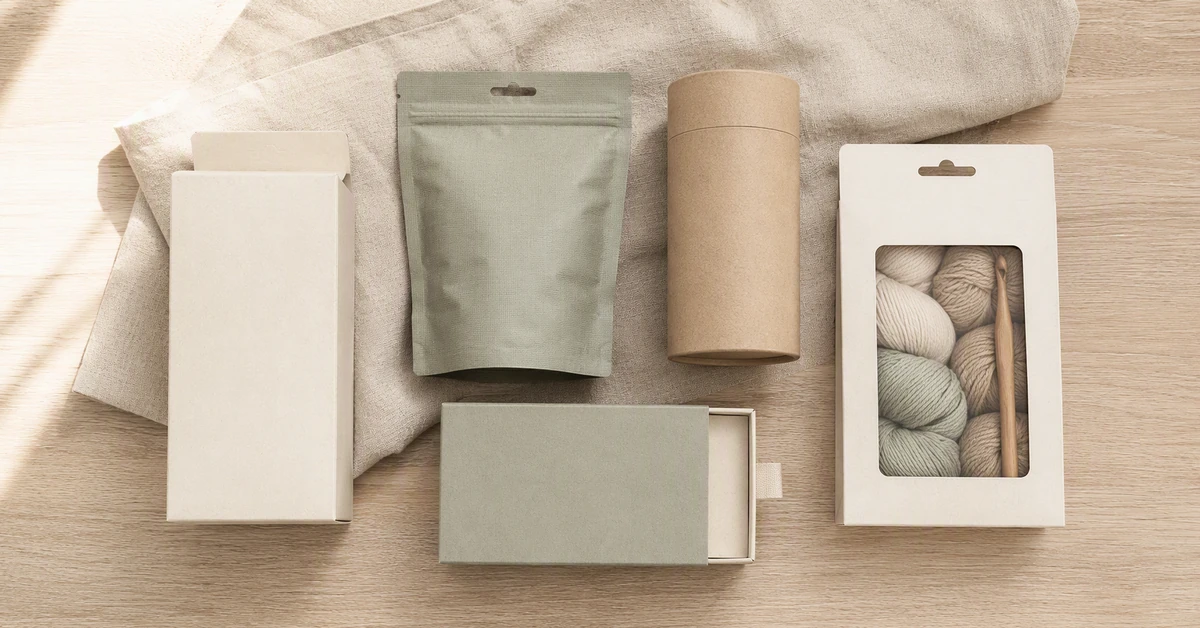
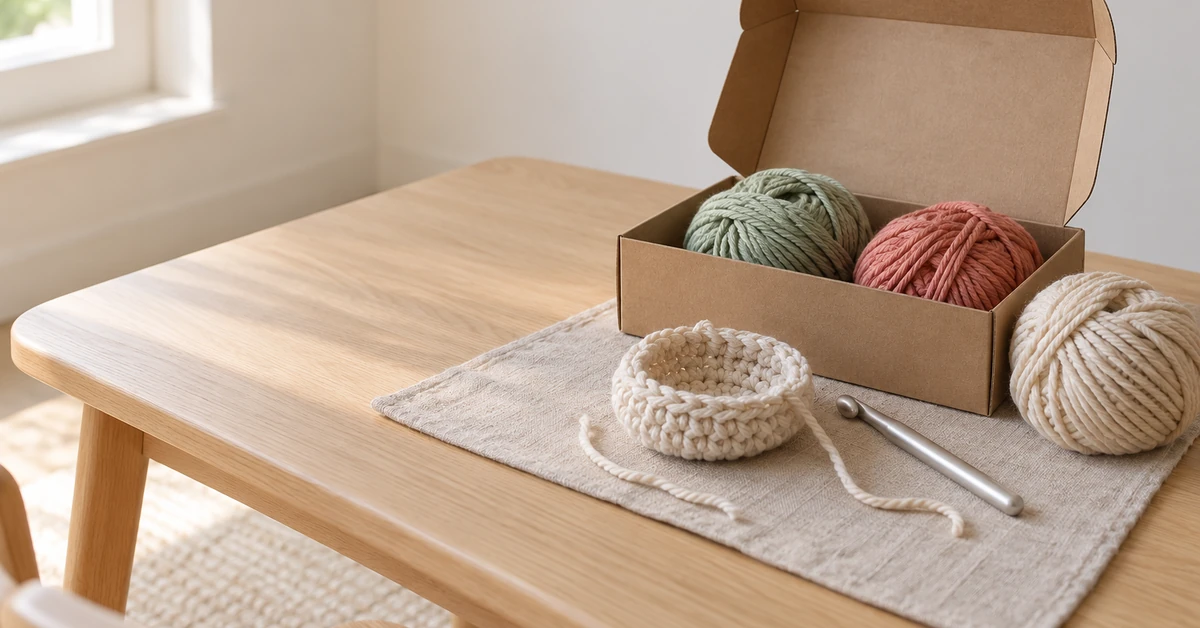
The order in which components appear can reduce confusion. Keep the starting yarn, hook, pattern and first-step reference easy to identify without scattering small parts. Protect the hook and any sharper accessories while avoiding folds that hide instructions. Test reclosure if the project spans several sessions. The consumer unit should remain organized after the first opening, not only in a factory photograph.
Inspect production through a sealed-unit trial
Incoming counts and visual checks are necessary but do not prove usability. Sample sealed units by lot, verify component and revision identity, then complete a defined stitch sequence. Record hook feed, yarn splitting, instruction agreement and resulting dimensions. Keep the test short enough for repeat use while linking failures to a fuller retained sample and correction process.
- Verify yarn codes, weights or lengths and organizer positions.
- Confirm hook size marking and working reference against the approved tool.
- Check printed revision, page order, image clarity and barcode identity.
- Run the stated start and enough repeats to reveal compatibility problems.
- Quarantine units when a substitution or unexplained revision is found.
Control substitutions through the learning loop
A replacement yarn, hook, marker or packaging format may alter setup and use even when its unit specification appears similar. Require a written change proposal, identify affected steps and repeat the first learning loop with the proposed component. General ISO quality management principles can frame evidence and change control, but they do not validate a specific substitution.
Send a learning-loop RFQ
Provide user profile, project, techniques, yarn and hook assumptions, pattern format, languages, packaging, quantity tiers, destination and timing. Ask shortlisted suppliers to return component sources, sample gates, MOQ drivers, tester evidence, consumption method, inspection plan and change rules. The question-led format reflects the added GEO procurement reference while keeping every product statement tied to crochet-kit evidence.
Approve a crochet kit manufacturer at the first repeat
Release should require a sealed kit, a documented fresh-user trial and a repeatable stitch checkpoint. This gate keeps commercial approval connected to the actual user promise. Record open deviations by owner and deadline, and do not let a successful expert-made display sample substitute for evidence from the claimed learner.
How Onehourcrafts makes the loop auditable
Onehourcrafts can connect the project brief, component references, fresh-user observations, pattern revisions, sealed sample and production check. The selected crochet kit manufacturer becomes easier to manage when every correction has a visible path from tester evidence to the packed unit. Approve scale only after a new maker can reach the defined repeat without unlisted help.
Frequently asked questions
What is a first learning loop?
It is the observed path from opening a sealed kit through setup, first attempt, first correction and the first repeatable stitch sequence.
Why use fresh testers?
They reveal assumptions that developers and experienced sample makers no longer notice, especially around terminology, orientation and recovery.
How should yarn allowance be set?
Measure project consumption, practice use and handling loss separately across complete trials, then approve a justified quantity by color.
What should a hook check include?
Verify size marking, key dimensions, finish, handle stability, yarn feed and the resulting gauge with production-intent materials.
Can a finished sample approve instructions?
No. It proves that one maker completed the project, not that the packed instructions guide the intended user independently.
What belongs in a golden kit?
Include approved yarn, hook, accessories, pattern, instructions, packaging, labels and the identity of every active revision.
When should a substitution be retested?
Retest whenever a change can affect setup, visibility, handling, gauge, consumption, learning or finished appearance.
How is production usability inspected?
Sample sealed units, verify identity and counts, then perform a defined start and repeat sequence against approved evidence.
Does beginner mean suitable for children?
No. Learning difficulty and age or safety positioning are separate decisions that need product- and market-specific review.
What should buyers put in the RFQ?
Include user, project, components, instructions, packaging, order tiers, destination, sample gates, tester evidence, inspection and change control.