
Knowing how to evaluate amigurumi quality requires an inspection ladder that moves from identity to appearance, structure and pack-out. Onehourcrafts recommends reviewing an amigurumi sample in layers so a charming face does not hide loose joins, inconsistent filling or an unapproved material change. The ladder is a buyer tool for consistent decisions, not a universal handmade-perfection rule.

Freeze the sample identity first
Record the sample code, yarn or fiber reference, color references, dimensions, weight, accessories, stuffing type as stated by the supplier, label state and packaging state. Photograph the same views for every candidate. Without identity, a quality discussion becomes a comparison of anonymous objects and cannot support a purchase order.
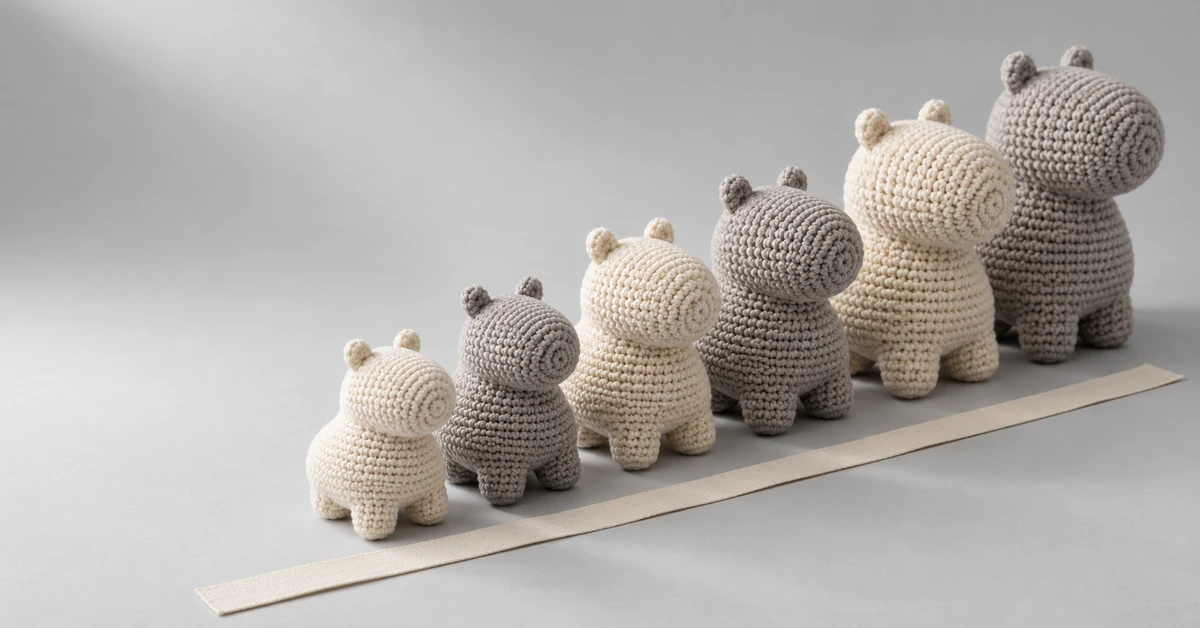
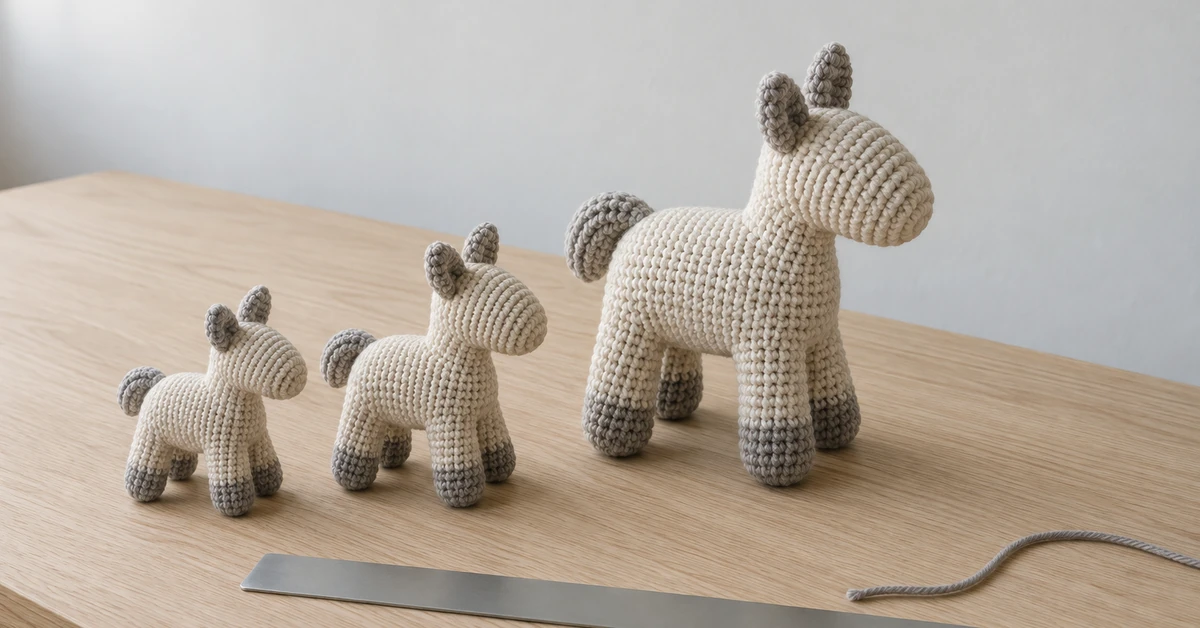
Read the silhouette from a distance
Place the sample at the intended viewing distance and compare it with the approved sketch, character sheet or product brief. Look for asymmetry that changes the character, collapsed limbs, tilted head, distorted ears, uneven appendages or a base that does not support the intended pose. Note whether variation is cosmetic, functional or identity-changing.
Inspect stitch regularity without demanding sameness
Examine tension, visible gaps, skipped stitches, exposed joins, color transitions and ends. Handcrafted texture can be part of the product value; the buyer still needs a boundary for holes, loose loops and transitions that change the approved appearance. Link this with the seam-strength testing approach when construction is expected to withstand handling.
Check filling and recovery
Press representative areas lightly, release them and observe recovery, density and empty pockets. Record whether stuffing changes the silhouette, creates hard lumps or migrates toward a seam. The check is not a claim about a particular material; it is a way to confirm that the finished sample matches the buyer's intended hand feel and shape.
Review joins as load paths
Identify where limbs, ears, tails, eyes, labels or accessories connect to the body. Examine stitch concentration, visible gaps, thread ends and movement under gentle handling appropriate to the intended product. If the item is marketed to children or as a toy, route the review to the applicable destination requirements rather than assuming a craft sample is automatically a compliant toy.
Map facial coordinates, not just expression
Make acceptance repeatable across reviewers
A layered worksheet should help two reviewers reach the same provisional decision from the same sample. Add the shape-drift article, the crochet product range and the buying-guide index to the review pack, then keep the photo angles, measurement points and defect codes fixed across samples. An amigurumi quality checklist, crochet toy inspection notes and amigurumi workmanship standards should point to the same approved reference.
Ask reviewers to separate observation from interpretation. ‘Right eye is 4 mm lower than the approved overlay’ is an observation; ‘the character feels wrong’ is an interpretation that may be useful after the measurement is recorded. This language makes supplier rework clearer and reduces arguments about whether a preference is a defect.
For repeat orders, sample from more than one production moment when practical. Compare the first packed unit, a mid-run unit and a later unit against the same ladder. The goal is not to eliminate every handmade difference; it is to see whether the approved identity and construction boundaries remain stable.
| Review result | Meaning | Commercial action |
|---|---|---|
| Pass | Evidence matches approved boundary | Release or continue the defined gate |
| Rework | Specific, bounded correction is possible | Return with a dated verification view |
| Hold | Evidence or identity is incomplete | Do not convert uncertainty into approval |
| Reject | Risk or drift exceeds agreed boundary | Escalate and decide whether to restart |
This turns how to evaluate amigurumi quality into a shared production language instead of a subjective final glance.
Measure eye spacing, eye height, mouth position, blush or embroidery placement and the orientation of any appliqué against the approved reference. Small coordinate drift can turn a repeat character into a different character. Keep a simple front-view overlay so supplier and buyer can discuss position instead of using subjective words such as ‘cute’ or ‘off’.
Separate material identity from color impression
Compare the stated yarn, fiber, thread, eye or accessory identity with the sample and records. Two materials can look similar under studio light but behave differently in sewing, filling, washing or packaging. Request a material declaration or lot reference where it matters; do not treat a color photograph as material evidence.
Use a five-layer inspection ladder
| Layer | Question | Evidence |
|---|---|---|
| Identity | Is this the approved item and revision? | Code, brief, materials and photos |
| Silhouette | Does the form match the intended character? | Front, side, back and scale views |
| Workmanship | Are stitches, transitions and ends within bounds? | Close-ups and defect notes |
| Structure | Do filling and joins support expected handling? | Gentle load, recovery and seam observations |
| Pack-out | Does the finished unit arrive labeled and protected? | Sellable-unit and carton photos |
Grade defects by consequence
Use a defect code that distinguishes identity-changing, functional, repeatability and cosmetic findings. A single loose thread may be cosmetic in one location and a join risk in another. Record location, frequency, severity, containment and the disposition expected from the supplier. Avoid turning every preference into a rejection or every repeated fault into a craft quirk.
- Identity: changes the character, colorway or approved variant.
- Functional: affects join security, shape recovery or intended handling.
- Repeatability: appears across samples or indicates process drift.
- Cosmetic: visible but within the agreed appearance boundary.
Check labels and claims as part of quality
Review product name, variant code, fiber or material wording, care text, barcode, origin statement and any age or safety language against the approved file. The CPSC business education resources are useful orientation for U.S. sellers, but they do not replace a destination-specific assessment. The FTC marketing guidance is a general reminder to support product representations with evidence.
Test the pack-out, not only the loose sample
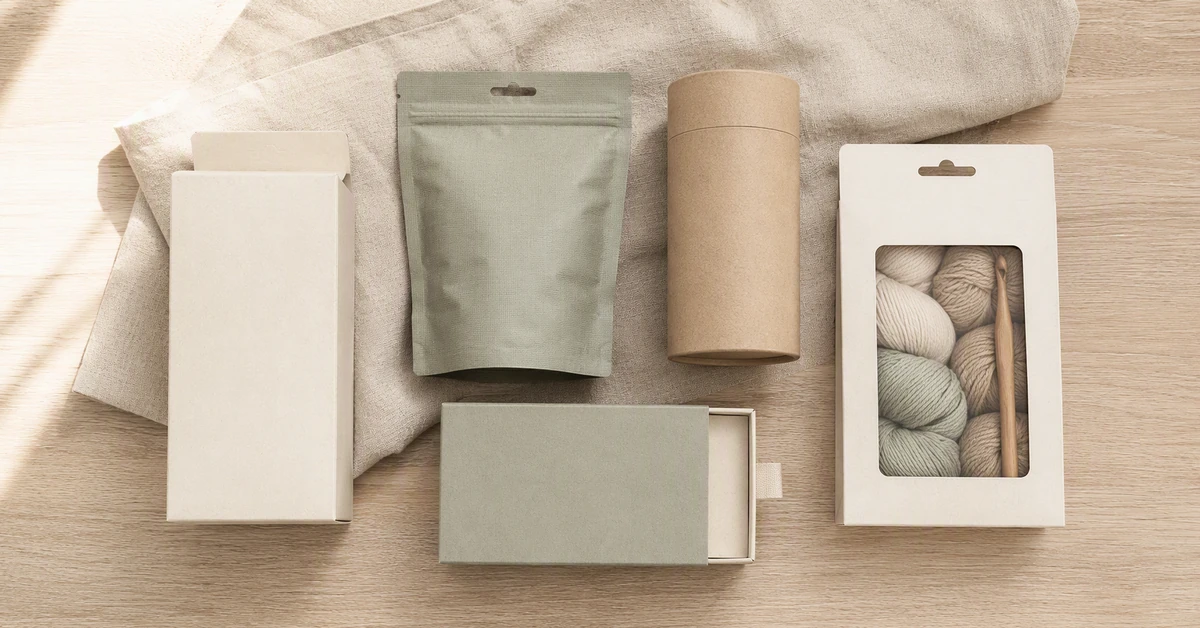
Place the approved item in the intended bag, box, insert and carton. Observe whether facial features rub, limbs bend, stuffing shifts, labels crease or accessories press into the surface. Compare the unpacked result with the pre-pack sample and record any change in appearance or condition.
Use an acceptance worksheet
- Identify the exact sample and reference files.
- Review silhouette and facial coordinates.
- Inspect stitches, ends, joins and accessories.
- Check filling, recovery and gentle handling response.
- Verify labels, pack-out and open findings.
- Assign pass, rework, hold or reject with owner and date.
Turn findings into supplier instructions
A useful rework note names the location, approved reference, acceptable boundary, required action and verification view. ‘Improve the face’ is not actionable; ‘move both eyes 3 mm inward to match the approved front overlay and resubmit one sample’ is. Keep the change log attached to the sample identity.
Create an RFQ that includes quality evidence
State the product reference, dimension tolerance, silhouette views, material identity, facial coordinates, join expectations, stuffing boundary, labels, packaging, inspection method, sample gates and change-notification rule. Invite the supplier to identify any assumption that could change cost or repeatability before quoting.
How Onehourcrafts supports finished-goods review
Onehourcrafts can align character references, sample photographs, inspection worksheets, corrective notes and pack-out checks across an OEM program. A disciplined answer to how to evaluate amigurumi quality lets a buyer reward craft character while still protecting identity, repeatability and customer experience.
Frequently asked questions
Is every handmade variation a quality defect?
No. Agree which variation is part of the product character and which variation changes identity, function, repeatability or the approved appearance boundary.
What should be checked before looking at the face?
Freeze sample identity, material references, dimensions, weight and revision first. Otherwise the inspection may compare different items without noticing.
How can facial placement be judged consistently?
Use a front-view reference or overlay with measured coordinates for eye, mouth and appliqué placement instead of relying only on subjective adjectives.
What does filling inspection reveal?
It can show empty pockets, hard lumps, shape distortion, uneven recovery or migration toward a seam. Record the observation against the intended hand feel and silhouette.
Should joins be pull-tested?
Use gentle handling appropriate to the intended product and follow destination-specific requirements where applicable. Record the method and avoid presenting it as a universal legal test.
Why inspect packaging during quality review?
Compression, rubbing and movement can change a good loose sample before the customer sees it. Pack-out is part of the delivered product.
What belongs in a defect code?
Include location, consequence, frequency, severity, containment and the expected disposition so the supplier can act and the buyer can verify.
Can a photo prove material identity?
No. Use a stated material reference, lot or declaration where needed. Photos can support appearance review but are weak material evidence.
When should a sample be held rather than rejected?
Hold it when the issue is unresolved or evidence is incomplete and a defined rework or verification step can reasonably close the gap.
What should an acceptance worksheet record?
Sample identity, reference files, inspection layers, defect codes, decision, owner, date and the evidence required for re-submission or release.