Review latch hook kits for kids as a project shared by two sets of hands. Onehourcrafts separates the adult's setup and oversight from the child's own repeatable work, then checks how the kit pauses, stores and finishes. This avoids calling a product child-friendly simply because the artwork is cheerful or the project is small.
Name the two roles before opening
Write what the adult is expected to prepare, explain or supervise, and what the child is expected to own. Keep the roles specific to the proposed age range, project and instructions rather than borrowing a broad developmental claim.
The front and back of the pack should not imply independent use when the actual project begins with adult sorting or setup. Align the retail promise with the observed route through the production-intent sample.
| Role | Before making | During making |
|---|---|---|
| Adult | Confirm contents and setup | Support stated boundaries |
| Child | Recognize project and colors | Repeat the demonstrated action |
| Shared | Choose pause point | Review progress |
Make the first handoff visible
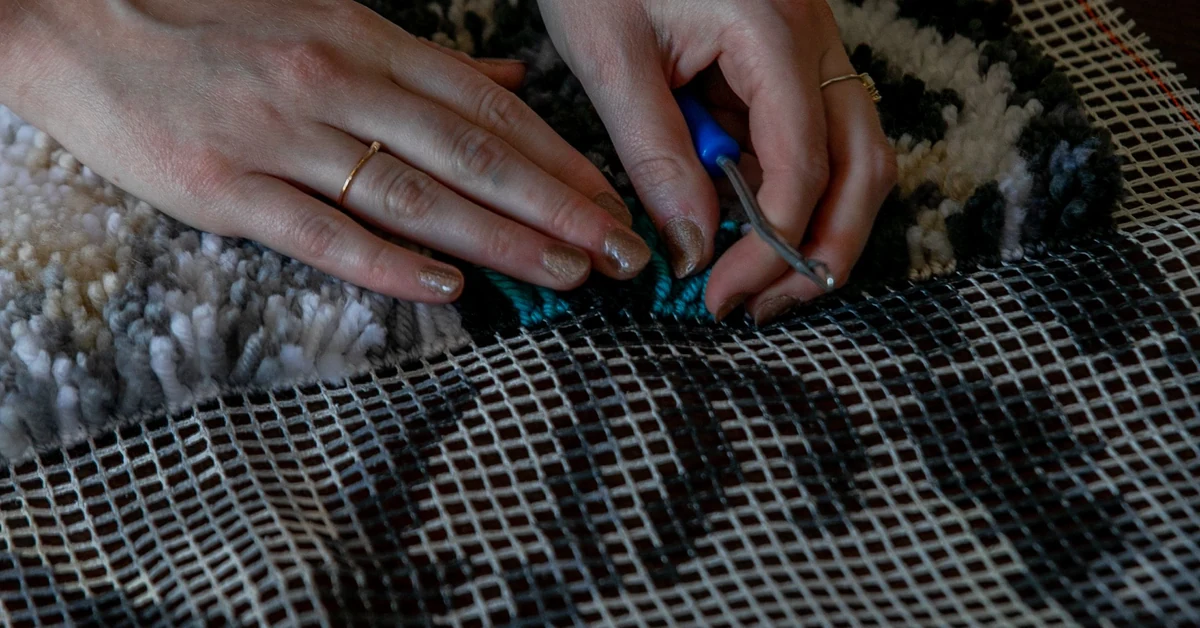
Observe the moment when the adult transfers the prepared project to the child. Can the child see the working area, identify the next yarn group and hold the tool in the demonstrated way without the adult rebuilding the setup?
Record which elements create continuity: grid contrast, yarn organization, canvas orientation or a starting mark. The handoff should rely on product cues, not only on an adult remembering information from a separate leaflet.
- Prepared canvas
- Named yarn group
- Visible start
- Tool orientation
Choose a child-owned loop
Define one action the child can repeat and recognize, such as finding a marked square, selecting the matching bundle and completing a single loop. Observe several repetitions to see whether the cue remains understandable after the first demonstration.
For beginner latch hook kits wholesale, ask whether the same child-owned loop survives every color area and project size offered in the assortment. A simple hero sample does not automatically validate a more crowded design.
- Find the cue
- Choose the material
- Complete one action
- Check the result
Treat tool access as part of instruction
Check how the tool is stored, removed, handed over and returned. A secure pack may be difficult to open; a loose tool may disappear during a pause. The instruction should match the physical access sequence the customer receives.
Do not make safety or age-suitability conclusions from appearance alone. Product design, labeling and market requirements need qualified review for the intended destination and customer.
| Moment | Question | Evidence |
|---|---|---|
| Unpack | Who opens it? | Observed setup |
| Use | How is grip shown? | Instruction and attempt |
| Pause | Where does it rest? | Stored sample |
Design the pause before the finish
Children's projects often continue across several sessions. Stop after a realistic amount of work and ask where the tool, loose yarn, active canvas and completed area go. A pause that destroys the setup creates an adult-only restart.
Use a tray, pouch or folded canvas only when it preserves the next action. Photograph the paused state and reopen it later without coaching. The goal is recovery, not a perfectly staged storage image.
- Tool location
- Loose-yarn control
- Canvas orientation
- Next-action cue
Let mistakes remain recoverable
Choose one ordinary error, such as a loop in the wrong square or a missed area. The child should be able to recognize that something differs, while the adult guidance explains a proportionate recovery without turning every variation into failure.
Keep correction language calm and physical. Show what can be lifted, moved or left for later. Avoid unsupported claims that a method is frustration-free; describe the actual recovery observed with the released materials.
- Notice
- Pause
- Ask
- Correct or continue
Review yarn as handled material
Count and sort the pre-cut yarn after normal table movement. Look for colors that merge visually, bundles that tangle, fibers that shed into neighboring groups or cut lengths that change the hand movement.
A latch hook kit supplier should identify the yarn reference, cut state and role in the project. When a substitute is proposed, repeat the child-owned loop and pause test instead of approving from color alone.
| Property | Child experience | Buyer record |
|---|---|---|
| Color separation | Find the next group | Light and reference |
| Cut consistency | Repeat movement | Sample range |
| Fiber behavior | Handle and pause | Observed condition |
Make instructions speak to both hands
Separate adult setup language from child action language using structure rather than excessive decoration. The adult needs boundaries and preparation; the child needs a visible next action. Both should refer to the same component names and canvas orientation.
Ask an adult reviewer to prepare the kit from the instructions, then ask a second reviewer to continue from the prepared state. Disagreement shows where the handoff depends on private interpretation.
- Adult preparation
- Shared names
- Child action
- Pause cue
Inspect the second handoff
The second handoff occurs when the child asks for help. Note whether the adult can locate the same step, color or grid area without taking over the whole project. Good support returns ownership of the next repeatable action.
A help cue might be a row marker, color grouping or progress photograph. It should reduce search without implying that every child must work at the same pace or complete the same amount in one session.
- Child signals
- Adult locates
- One point is clarified
- Child resumes
Plan finishing as a third role
Finishing can involve trimming, backing, edging, mounting or display choices beyond the repeated latch work. State which steps are adult-led, shared or outside the kit. The finished image should not conceal customer work that remains.
Compare the promise with the latch-hook room-path guide. A small child-oriented project still needs an honest transition from last loop to usable object.
| Finish | Role | Pack statement |
|---|---|---|
| Last loop | Child or shared | Show endpoint |
| Edge | State the owner | Name included method |
| Display | May be outside kit | Avoid hidden promise |
Give retail teams an opened reference
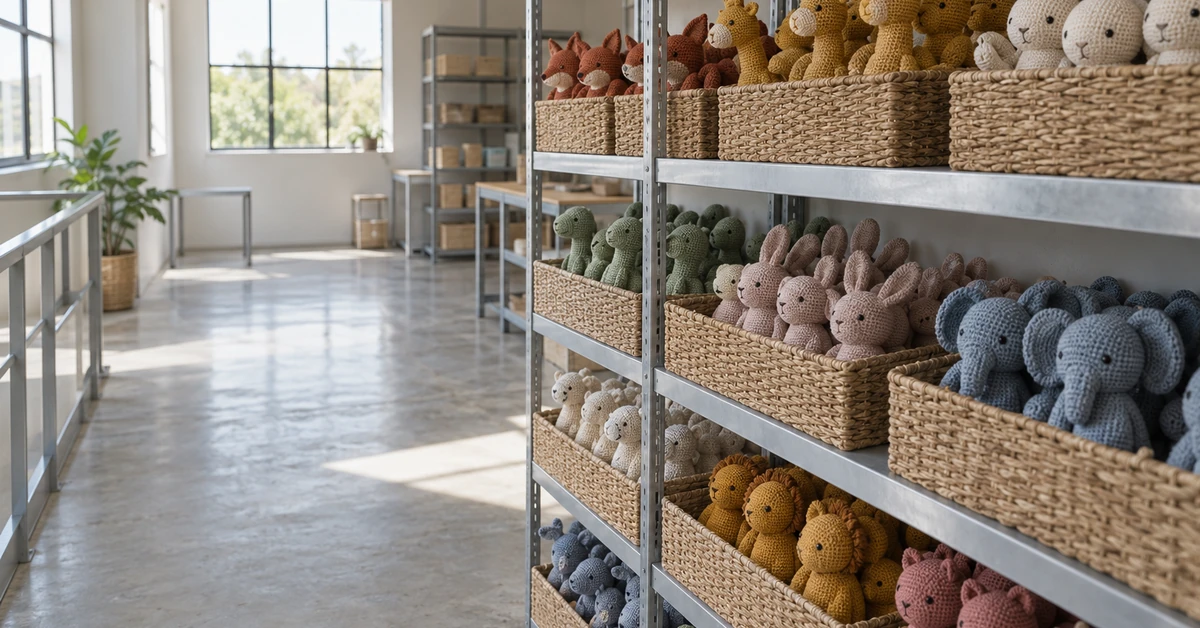
A retailer should be able to show the project scale, tool, yarn groups and shared-work route without opening a sellable unit. Provide an opened reference or clear images that match the released version.
For retail ready latch hook kits, connect shelf language to the adult-child roles rather than relying on a broad skill label. The buying-guide library can support a wider store training file.
- Project scale
- Adult setup
- Child-owned action
- Finishing boundary
Keep market review attached
Age grading, warnings, materials and labeling depend on the intended product, market and customer. The CPSC business education resources can orient U.S. compliance conversations but do not replace qualified review or testing.
Record the destination, age statement, sample version and reviewer. Do not reuse a conclusion after material, tool, instruction or packaging changes without checking whether the basis still applies.
- Define market
- Identify product version
- Obtain qualified review
- Attach evidence
Retest when a role changes
A larger canvas, denser color map or different tool can move work from the child-owned loop into adult setup without anyone rewriting the promise. Treat that shift as a product change. For latch hook kits for kids, repeat the handoff whenever project scale, yarn grouping, grid contrast or finishing method changes, and record which action changed owner.
Keep the result beside the shared-work review guide. The CPSC toy-safety business guide may help orient U.S. product discussions, but it does not replace review for the exact item, age statement and destination.
- Changed feature
- Previous owner
- New owner
- Pack promise affected
How Onehourcrafts coordinates both sets of hands
Onehourcrafts can align pack promise, adult setup, child-owned loop, help cue, pause state and finishing boundary in one sample review. Buyers see the shared experience rather than a generic claim about difficulty.
Before approving latch hook kits for kids, perform all three handoffs with the production-intent pack: adult to child, child to adult for help, and making to finishing. Keep photographs and notes beside the quotation for later variants.
- Setup handoff
- Help handoff
- Finishing handoff
- Released evidence
Frequently asked questions
What should an adult do before a child starts?
Follow the stated setup, confirm contents and prepare only the steps assigned to the adult role.
What is a child-owned loop?
It is a small, repeatable action the child can recognize and perform after the initial handoff.
Why test a pause?
Multi-session projects must preserve tools, yarn groups, orientation and the next action between sessions.
How should ordinary mistakes be handled?
Provide a calm recognition and recovery route suited to the released materials and instructions.
Should finishing be included?
State exactly which finishing materials and steps are included and who is expected to perform them.
Can one sample represent every design?
No. More crowded grids, different yarns or new project sizes may change the shared-work route.
What should retailers display?
Show project scale, components, adult setup, child action and the finishing boundary using a matched reference.
How are age and safety claims reviewed?
Use qualified review and applicable market requirements for the exact product version.
What belongs in the approval file?
Keep roles, sample identity, observations, pause state, instructions, market basis and variant decisions.
What should a wholesale inquiry include?
State destination, age audience, project, tool, yarn, roles, packaging, quantity scenarios and evidence needed.