
A mini sewing machine wholesale program succeeds or fails across a journey, not at the specification sheet. The retailer has to demonstrate a controlled stitch, the customer has to carry and understand the box, and the machine has to produce a credible first result before confusion becomes a return.
Start where the retailer starts: the demo table
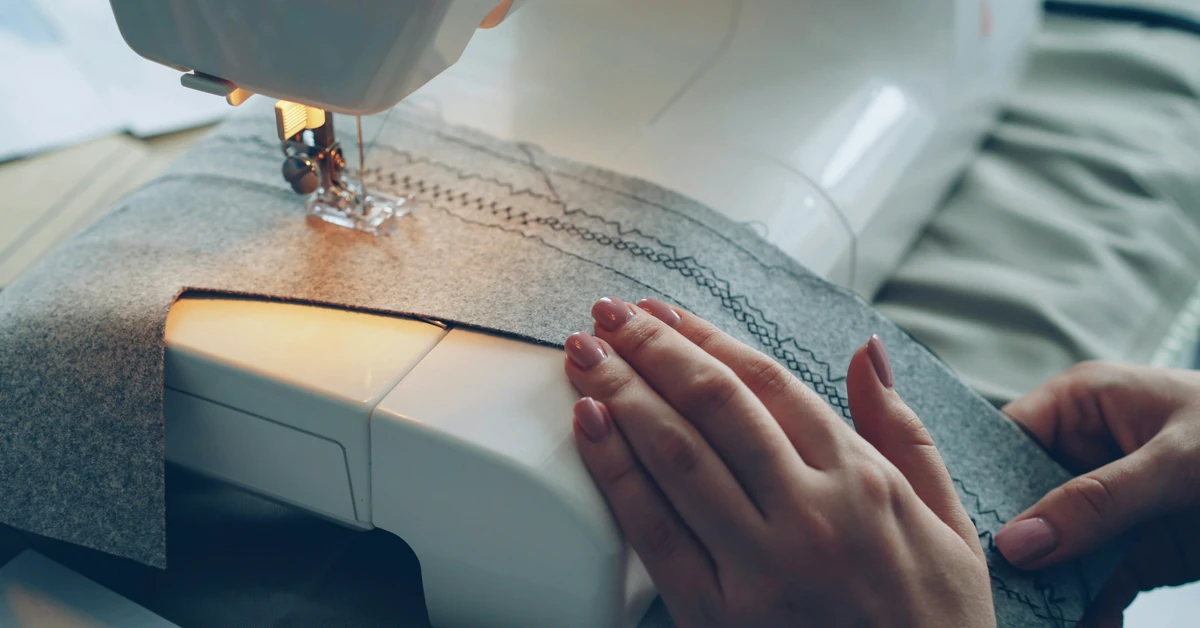
Define a five-minute demonstration using the actual retail unit, included power option, approved fabric and supplied accessories. The demonstration should show threading, presser-foot operation, one straight seam and safe shutdown. It should not depend on a trained technician quietly correcting tension or using accessories absent from the box.
Record the setup time, resets required between customers and any consumables the store must supply. A sewing machine that performs well in a controlled sample room may still be impractical on a busy table if rethreading is slow or the foot control moves across the surface.
Gate one: can staff repeat the stitch?
Give the quick-start sheet and sealed unit to staff who did not attend product development. Ask each person to prepare the machine and sew the same short seam. Observe where they pause; do not coach until the attempt ends. Repeatability matters more than one expert demonstration.
| Demo event | Evidence | Readiness question |
|---|---|---|
| Unbox and set up | Time and missed steps | Can staff reset it between shoppers? |
| Thread path | Error locations | Are diagrams visible at the machine? |
| First seam | Stitch sample and intervention count | Is the result repeatable? |
| Shutdown | Power and needle position | Can the table be left in a safe state? |
The handoff starts on the box
Once the customer leaves the demonstration, packaging carries the promise. State what the machine is designed to do, which accessories and power components are included, and what the buyer must provide. Avoid imagery that suggests heavy fabric, garment construction or stitch functions the unit cannot reliably support. The household sewing machine supplier should provide actual stitch samples for the intended fabric range rather than a broad list of materials.
- Machine model and included accessory inventory
- Power input and supplied adapter or battery information
- Supported basic use stated without exaggerated capability
- Needle, presser-foot and moving-part warnings as applicable
- Support route, model identity and traceability information
Gate two: does the box survive the trip home?
Test the final packed unit through the distribution route appropriate to the channel. Then inspect housing, spool pins, controls, presser foot, needle alignment, accessories and cable. Run the first-stitch protocol after transit testing; cosmetic survival is not enough. Carry-handle claims should be checked at packed weight and through repeated lifts.
For retail damage patterns, use the craft kit return reduction checklist as a starting framework, then add machine-specific functional checks.
Unboxing should reveal a sequence
Arrange the opening so the customer encounters safety and setup information before loose accessories. Number accessory bags if the quick-start instructions refer to them. Secure the needle area during transport and make removal of transport protection obvious. A small box often encourages dense packing, but density cannot obscure which pieces belong to threading, power or maintenance.
- Confirm model and power information before connection.
- Remove all transport restraints identified by the instructions.
- Inventory the machine, control, adapter and accessories.
- Follow the illustrated thread path with the machine powered off.
- Use the specified practice fabric for the first seam.
Gate three: achieve a clean first stitch
The approval protocol should define needle type, upper and lower thread, fabric layers, seam length, speed mode and acceptable stitch appearance. Run it on several units at the beginning, middle and end of a sample session. Keep swatches labeled by machine serial or batch identity. A portable sewing machine supplier can then investigate a repeatable symptom instead of reacting to “the stitch looks bad.”
| Symptom | User check | Product or process check |
|---|---|---|
| No stitch forms | Thread path and needle direction | Timing, hook and assembly |
| Thread loops below | Upper threading and tension route | Tension components and calibration |
| Fabric does not feed | Foot position and fabric suitability | Feed mechanism and alignment |
| Needle breaks | Pulling fabric or wrong setup | Needle alignment and component fit |
Do not hide the limits
A compact machine may be useful for practice, paper crafts where permitted, light repairs or simple fabric tasks, depending on its tested design. It does not automatically replace a full-size machine. State limits discovered in trials: layer count, fabric types, continuous operating period, stitch options and speed behavior. Honest boundaries help staff recommend the right product and reduce avoidable returns.
Test difficult materials only if the retail offer implies them. A dramatic denim demonstration can create an unsupported expectation even when one prepared sample happens to pass.
Choose the power story before the carton
Power configuration affects compliance, package volume, instructions, demo setup and destination-market inventory. Document voltage, frequency, adapter model, polarity, connector retention and any permitted battery operation. Never imply that two power sources may be used together unless the design and instructions explicitly allow it. Control adapter substitutions as product changes, not purchasing conveniences.
- Electrical ratings agree across machine, adapter, carton and manual
- Cord length supports intended use without creating a hidden promise
- Connector remains secure during the normal stitch trial
- Destination plug configuration is tied to the SKU
- Replacement guidance identifies compatible components safely
Gate four: pass the compliance file review
Determine applicable requirements from the product configuration, destination and claims. In the European Union, CE marking applies only where relevant harmonized EU legislation requires it; it is not a voluntary general-quality emblem. The manufacturer's responsibilities include identifying applicable rules, assessing conformity, maintaining technical documentation and issuing the required declaration. Electrical configurations may also fall within product-specific frameworks such as the Low Voltage Directive when within scope.
The EU product compliance overview is a useful starting point, but the final plan should be reviewed by qualified compliance personnel. Test reports must match the actual model, critical components and intended market.
Make the manual answer the first ten minutes
Lead with illustrated setup, not a long feature catalog. Show needle installation direction, upper thread path, bobbin placement, presser-foot control, power selection and the first seam. Place warnings beside the relevant action as well as in the safety section where required. Translations should be checked on the final layout because arrows and callouts can shift away from the correct part.
Use photographs or drawings that match the production housing and controls. If a mold, switch or threading guide changes, review the manual as part of change control.
Gate five: can support diagnose the symptom?
Before launch, give customer-service staff sample units and a decision tree. The first question should establish the model and symptom, then separate setup issues from likely defects. Support should know when to stop troubleshooting and authorize a return, especially for damaged cords, abnormal heat, smell, exposed parts or repeated needle failure.
- Identify model, purchase channel and power configuration.
- Ask what happened before the symptom, using neutral language.
- Check only safe user-verifiable setup points.
- Request a labeled stitch photo or short video where appropriate.
- Escalate safety-related or repeated failures without prolonged experimentation.
Code returns into evidence
“Does not work” is not a useful factory signal. Create return codes for no power, cannot thread, no stitch formation, thread looping, feed issue, damaged in transit, missing accessory, expectation mismatch and other verified categories. Inspect a sample of returned units and compare symptoms with support records. The result may call for product correction, packaging improvement, clearer teaching or more disciplined merchandising.
| Return code | Likely owner | Corrective direction |
|---|---|---|
| Missing accessory | Packing process | Count fixture and final-pack visibility |
| Cannot thread | Instruction or product design | Diagram trial and guide visibility |
| Transit damage | Packaging | Protection and packed-unit retest |
| Expectation mismatch | Merchandising | Capability and limits review |
Pilot a small route before a broad rollout
Choose stores or online orders that represent real handling and customer questions. Train staff with the final materials, then track demo resets, support contacts, returns and accessory issues for a defined period. A pilot does not eliminate uncertainty, and a small sample may miss rare failures. It can still expose confusing instructions and repeated setup friction before more inventory is committed.
Use a batch traceability checklist to connect pilot units with production and inspection records. The retail display solutions guide can help shape a demo area that keeps parts controlled and the product visible.
What Onehourcrafts would ask at each gate
For mini sewing machine wholesale development, Onehourcrafts would organize the inquiry around retail use: target customer, intended tasks, tested fabrics, stitch functions, power configuration, accessories, market, packaging, instructions, compliance evidence and support expectations. Sewing machines for retailers should advance only when the demo, packed unit, first-stitch sample and support plan all tell the same story.
Frequently asked questions
Is a mini machine suitable for all fabrics?
No. Buyers should define and test the supported fabric and layer range, then communicate limits accurately.
Should stores keep a permanent demo unit?
That depends on channel and support capacity. If used, define maintenance, rethreading and replacement responsibilities.
Can the adapter be changed after approval?
Treat a change as controlled because it can affect ratings, testing, documentation, packaging and market compliance.
What makes a first-stitch test repeatable?
Specify unit selection, needle, thread, fabric, layers, setup, speed, seam length and acceptance criteria.
Does CE marking prove general quality?
No. It indicates conformity under applicable EU rules; separate specifications and inspections address retail quality.
How can instructions reduce returns?
Show the exact production model, answer the first setup steps clearly and help users distinguish setup from defects.
Should batteries and an adapter be used together?
Only if the approved design and instructions explicitly permit it. Otherwise, the guidance should prevent simultaneous use.
What should customer support never troubleshoot?
Potential electrical or mechanical safety symptoms should follow an approved stop-and-escalate process.
How long should a retail pilot run?
Long enough to capture representative sales, support and returns, with limits documented before interpreting results.
What belongs in the initial supplier inquiry?
Include use case, stitch needs, power market, accessories, packaging, volume, evidence requirements and support plan.
Approve the journey, not the tabletop moment
The five gates create a more honest launch decision: repeatable demonstration, protected handoff, credible first stitch, matched compliance file and diagnosable support. A mini sewing machine wholesale range is ready only when the customer can move from curiosity to a basic result without a hidden expert standing beside the product.