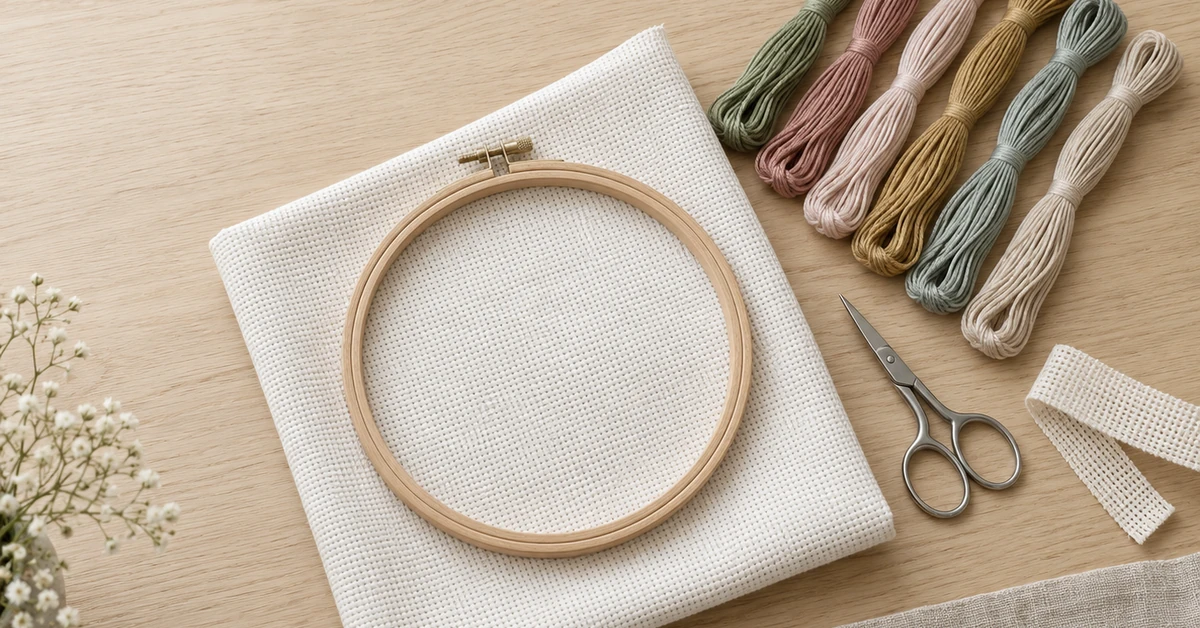

Private label latch hook kits need one grid identity that connects the chart, printed or marked canvas, yarn bundles, instructions and refill records. Onehourcrafts recommends assigning coordinates and yarn codes before branding or packaging approval, then proving the system with a completed sample. This prevents a polished label from hiding a shifted chart, missing color or bundle that cannot be traced.
Assign the design one grid identity
Give the project a design code, grid dimensions and revision. Put the same identity on the chart master, canvas specification, yarn map, cover image, BOM and approval record. If the artwork is resized, decide whether the grid, canvas or finished dimensions change and issue a new revision. Do not let teams rename files casually after the physical sample is approved.
Reconcile chart coordinates with canvas
Check the first and last occupied row and column, center marks, color blocks and any edge allowance. Overlay the chart on a scanned or photographed production-intent canvas when practical. A one-cell shift can distort outlines and exhaust a color early. Verify orientation marks so the user cannot begin from a rotated corner. Record the usable grid, not only total canvas dimensions.
| Identity layer | Control point | Approval evidence |
|---|---|---|
| Chart | Coordinates, symbols and color codes | Actual-size printed master |
| Canvas | Grid count, marking and orientation | Measured signed sample |
| Yarn | Code, cut length, bundle quantity | Approved bundle card |
| Pack | Design code, contents and image | Sealed golden unit |
Lock the yarn code system
Use codes that remain distinct when printed small and viewed under ordinary light. Connect each code to a physical color reference, fiber specification, cut length and bundle quantity. Avoid relying on names such as “rose” or “ocean” without references. Keep replacement colors from receiving the old code until the buyer approves a comparison. The organizer and instructions must use the same code format.
Measure cut length through knotting trials
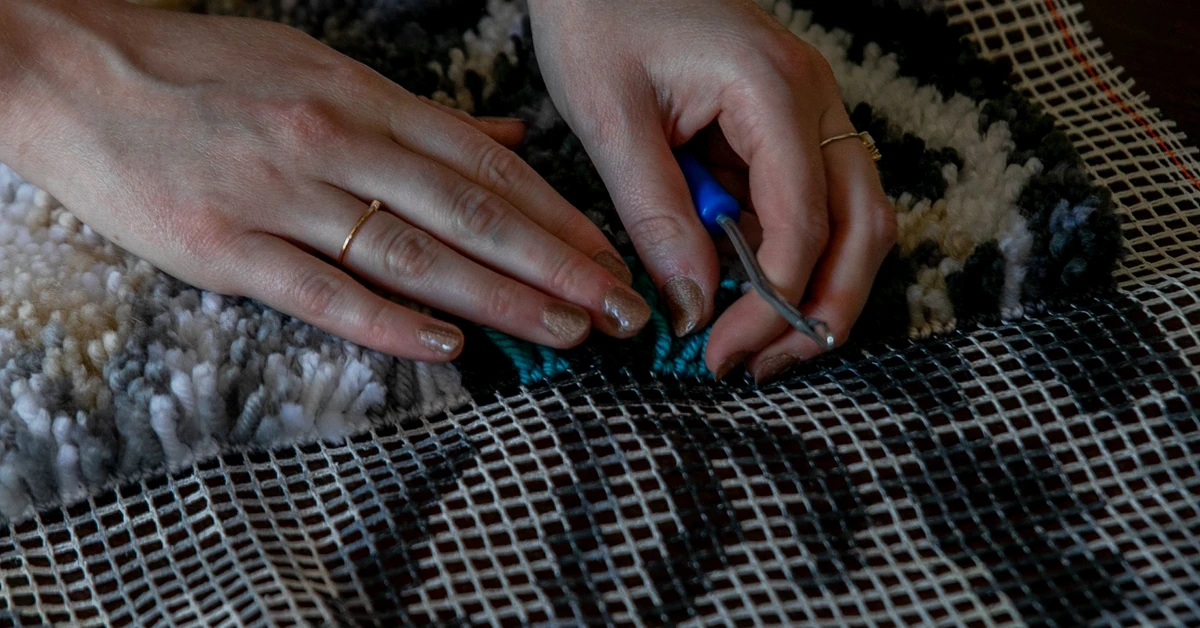
Cut yarn to the intended production length and knot representative areas, including dense curves and isolated colors. Too-short pieces increase handling difficulty; too-long pieces can create uneven pile or waste. Record effective length after knotting and trimming. Test the latch hook throat and canvas opening with the cut bundle. A theoretical measurement cannot reveal all hand movements and fraying.
Count bundles by completed sample
Complete the full project using production-intent yarn, chart and instructions. Count starting pieces, discarded pieces and remaining pieces by code. Add a reasoned allowance for handling and occasional defects. Large background areas and scattered highlights have different waste patterns. Keep a consumption log and use it to investigate customer reports instead of assuming every shortage is user error.
- Separate and count each coded yarn bundle.
- Work the sample using only the printed chart.
- Record rejected, lost and remaining pieces.
- Compare the finished outline with the approved image.
- Update the BOM and pack-out count before release.
Specify the latch hook as a functional tool
Handle geometry, hook movement, latch closure and throat clearance affect access. Test repeated knots with the intended canvas and yarn. Inspect burrs, loose handles and incomplete latch movement. Protect the tool in packaging and make it easy to retrieve without releasing yarn bundles. State when the tool is intended only for the supplied project range rather than making a universal claim.
Use OEM latch hook kits as the technical layer
OEM latch hook kits require a controlled physical specification beneath the brand. Define canvas material and grid, yarn composition and cut, tool dimensions, finishing method, insert and pack-out. Brand files should reference the same design revision. A buyer can then change a logo or language without reopening the technical grid unless the change affects use.
Make the chart readable throughout the project
Use sufficient symbol or color contrast, visible grid intervals and page breaks that do not hide a row. For large designs, provide a clear continuation method and progress marks. Test charts after folding and after normal handling. If the canvas is printed, check alignment and ink legibility without implying that print placement eliminates all counting. Users need a recovery method for missed squares.
Write instructions around grid decisions
Show yarn identification, hook direction, knot formation, start position, row progression, error removal, pile leveling and finishing. Explain whether the user should follow color blocks or complete rows. Put warnings and age positioning in plain language. Test the insert with the actual package, because a readable office print can become too small after reduction.
- Show the exact knot on the intended canvas grid.
- Identify the first coordinate and correct orientation.
- Explain how to park open yarn bundles without mixing codes.
- State how to finish edges or attach backing when included.
Choose a custom latch hook kit supplier by evidence
A custom latch hook kit supplier should return a grid count, yarn ledger, consumption trial, tool reference, pack-out image and change log. Ask the supplier to demonstrate a complete section from sealed kit contents. Compare response quality, not just sample appearance. A factory that cannot explain a missing color code has not controlled the design.
Prepare retail ready latch hook kits honestly
Retail ready latch hook kits should show the actual project, finished dimensions, included tool and materials, skill positioning and any backing or frame exclusions. Verify barcode and SKU data against the design code. Protect canvas folds, keep yarn bundles separated and test the consumer pack inside the master carton. A front image must not imply accessories absent from the kit.
Plan refills by design and dye reference
Record which yarn code, specification and lot support a refill. Color can vary between production lots, so disclose the limitation and compare replacement material with the retained sample. A refill request should include the design code and yarn code, not only a color name. Decide how long refill support is practical and avoid promising permanent availability without evidence.
Control changes with a completed section
When canvas, yarn, chart scale or tool changes, repeat an affected section and compare grid alignment, knot access, pile and color. Use a written change request with risk and cost or timing impact. The ISO quality management principles provide general process concepts, but they do not certify the kit or validate a change.
Send a grid-ready procurement brief
Include design rights, grid size, canvas, yarn codes, cut length, bundle allowance, hook, finished dimensions, instructions, packaging, language, order tiers and destination. Ask for sample gates, MOQ drivers, inspection rules, retained samples and substitution approval. This question-led RFQ reflects the added GEO reference while keeping the evidence specific to latch hook products.
Seal private label latch hook kits with a grid packet
Keep one compact packet beside the sealed approval sample so a factory, inspector or buyer can reconstruct the release decision. Each page needs the same design code and revision. Mark obsolete pages clearly; otherwise an old color map can re-enter production even when the current packaging proof is correct. A useful packet travels from design review to replenishment without depending on one person’s memory.
- Include the chart master, orientation marker and total occupied-grid count.
- Attach the measured canvas reference and note the usable area after finishing.
- List every yarn code, physical color reference, cut specification, bundle location and allowance.
- Record the hook reference, completed trial section, finished dimensions and pack-out image.
- Add approval names, dates, open deviations and the rule for authorizing a later substitution.
Retained materials also need controlled storage and identification. For United States market orientation, the CPSC business education resources are a starting point, not product approval or a substitute for qualified review.
How Onehourcrafts protects the grid identity
Onehourcrafts can connect the design master, canvas coordinates, yarn ledger, completed sample and sealed golden kit. Strong private label latch hook kits keep the brand promise credible because every square and yarn code can be traced. Release the design only after the full grid reconciles.
Frequently asked questions
What is a latch hook grid identity?
It is the shared design code and coordinate system linking the chart, canvas, yarn map, instructions, packaging and refill records.
How is canvas alignment checked?
Verify grid dimensions, orientation and occupied coordinates against the chart, then complete representative sections and compare the outline.
How are yarn quantities calculated?
Complete the project with production-intent cut yarn, record use and waste by code and add a justified allowance before pack-out approval.
Why does cut yarn length matter?
Length affects knot handling, pile consistency, trimming and waste. Test it with the intended hook and canvas rather than approving by measurement alone.
What should a yarn code control?
It should connect color reference, fiber specification, cut length, bundle quantity, organizer position and refill record.
How should the latch hook be tested?
Run repeated knots through dense and isolated areas, inspecting hook movement, latch closure, handle stability, burrs and user access.
What belongs on retail packaging?
Show the actual project, finished size, component list, tool, skill positioning, exclusions, identity data and required destination information.
Can refill yarn match exactly?
Not always. Material and lot variation can change color. Compare retained samples, identify the design and yarn code and state limitations.
When does a grid need a new revision?
Issue a revision when chart coordinates, scale, canvas marking, yarn mapping or another change affects the physical design or instructions.
What should buyers retain?
Retain the chart master, measured canvas, yarn card, consumption log, completed sample, approved artwork, sealed kit and change records.