
A promotional sewing kit manufacturer should prove that the pack communicates the sponsor quickly and solves one small clothing problem reliably. Onehourcrafts recommends a three-second recognition test followed by a loose-button repair. The sequence exposes weak branding, inaccessible tools and campaign claims that exceed the kit's real utility.
Give the unopened kit three seconds
Show the pack at normal distance for three seconds, remove it and ask the observer what brand, purpose and audience they remember. Do not prompt with the campaign name. Recognition depends on hierarchy: logo, utility and message must not compete equally.
Record exact answers rather than a pass or fail. “Travel repair,” “hotel amenity” and “sewing giveaway” describe different impressions. The desired answer depends on campaign context, but the test reveals whether the pack delivers it.
Move directly to one loose button
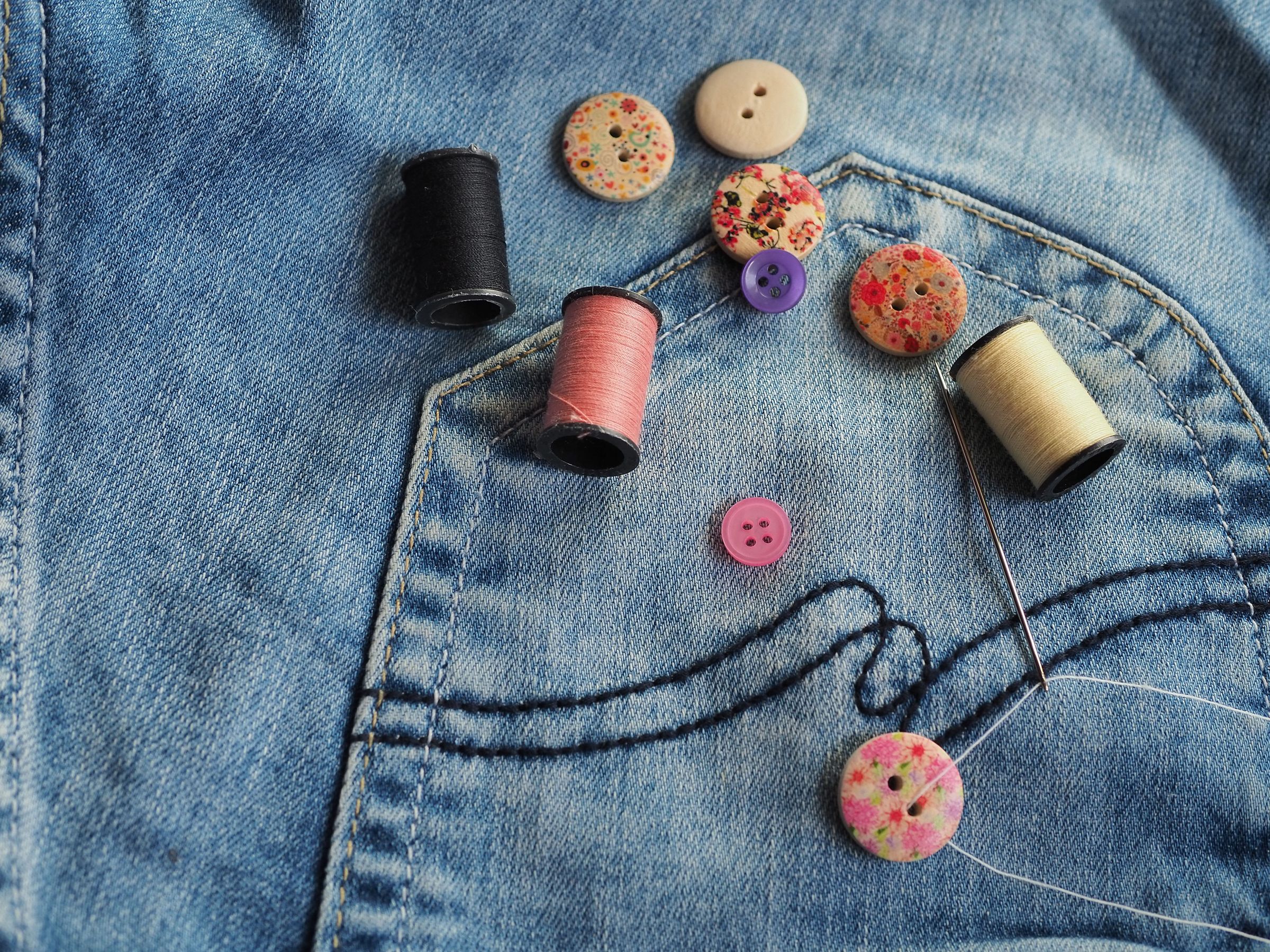
After recognition, give the observer a loose button on a common garment and the sealed kit. Watch the complete repair without coaching. The test should include opening, selecting thread, controlling the needle, attaching the button, cutting or securing thread and returning unused items.
A promotional item that cannot complete a basic task creates a negative memory precisely when the brand is most visible. Utility is not automatically proven by the presence of thread and a needle.
A promotional sewing kit manufacturer must join memory and utility
The three-second score and repair score belong on the same approval sheet. Strong recognition with poor utility is novelty; strong utility with no sponsor memory is an unbranded commodity. Define a minimum acceptable result for both before comparing prices.
| Result | Interpretation | Next action |
|---|---|---|
| Brand high, repair high | Promise and performance agree | Proceed to durability tests |
| Brand high, repair low | Campaign risk | Correct contents and instructions |
| Brand low, repair high | Useful but forgettable | Revise visual hierarchy |
| Brand low, repair low | Concept failure | Redesign before sampling again |
Define the campaign moment
The same kit behaves differently at a hotel desk, conference booth, airline service point, loyalty mailing or retail counter. Specify when it is handed over, what the recipient is doing and how long the message remains relevant. A compact rigid case may suit repeated travel; a flat paper pack may suit a one-time event mailing.
- Distribution environment and recipient profile
- Expected carry duration and storage conditions
- Likely repair task and garment types
- Required message, call to action and tracking method
Choose components from the promised repair
Start with the task rather than a standard component count. A button repair requires usable thread colors, a controlled needle, button compatibility and a secure finish. A travel emergency may add a safety pin or compact fastener. More items can reduce clarity and pack control.
Compare hospitality requirements with the hotel sewing kit guide and transport service needs with the airline sewing kit guide. The campaign brief should state which context is authoritative.
Make thread choice visible and limited
Recipients should not open a tangled bundle to discover that none of the colors fit the garment. Use a small, deliberate palette and state thread length. A neutral set can cover many situations, while brand colors may be better reserved for packaging unless they solve a real garment need.
- List the top repair scenarios.
- Choose the smallest useful color range.
- Test thread strength and handling in packed lengths.
- Verify that labels or organizers survive opening.
Give the needle a controlled before-and-after state
The needle needs a defined position before use, during a pause and after the repair. A card or envelope should retain it without forcing fingers near the point. Instructions must tell the user what to do with the used needle, especially when the pack may be carried in a pocket or bag.
Do not rely on the outer case alone. If it opens accidentally, the internal holder remains the last custody layer. Test repeated opening, vibration and compression under the expected distribution conditions.
Make custom branded sewing kits legible at small scale
Custom branded sewing kits have little surface area, so hierarchy matters more than the number of printed elements. Approve the logo at final physical size, not enlarged on a monitor. Check contrast on the actual substrate and under normal indoor light.
Place legal, material, origin, warning and disposal information in planned zones. Decorative patterns should not force essential text onto folds or curved edges. The U.S. Federal Trade Commission offers general advertising and marketing guidance; campaign owners should review the rules relevant to their claims and markets.
Test the message after real handling
Carry the pack in a pocket or bag with ordinary objects, then repeat the recognition test. Print can abrade, cases can scratch and labels can lift. A campaign impression occurs after distribution, not only when cartons leave the factory.
| Handling stage | Check | Failure limit |
|---|---|---|
| Carton transport | Pack shape and scuffing | No hidden or distorted message |
| Handover | Three-second recognition | Brand and purpose recalled |
| Carry | Closure and print durability | No loose sharp component |
| Use | Repair completion | Task completed as promised |
Plan variants without losing campaign control
Private label sewing kits may require several language, color or event variants. Freeze the component core, then control artwork differences through version codes. Avoid mixing near-identical packs in one carton unless the outer label and inner count make allocation obvious.
If the kits will also be sold, the assumptions change. Sewing kits for retailers need price architecture, barcode placement, shelf communication and replenishment beyond the giveaway moment. Keep promotional and retail specifications separate even when they share components.
Connect quantity to the distribution calendar
Campaign quantity should follow attendee forecasts, channel allocation, reserve needs and replenishment timing. Do not add a large undirected overrun. Define where reserve stock sits, who releases it and what happens after the campaign. Leftover dated packs can create waste or an outdated brand impression.
- Quantity by venue, partner or mailing segment
- Reserve percentage with named owner
- Delivery windows and local assembly needs
- End-of-campaign reuse, rework or disposal plan
What Onehourcrafts needs for a quote
Provide campaign purpose, recipient, quantity, distribution date, destination markets, desired repair task, component restrictions, pack dimensions, logo files, message hierarchy, languages and delivery split. The development team can then align the useful core with printing, packaging and production control instead of quoting an undefined giveaway.
Also state who will pack, distribute and replace damaged units at each location. This operational owner needs carton labels, variant counts and a short acceptance checklist. Clear handover prevents a well-made kit from reaching the wrong venue, language group or campaign date.
Include a field-use reference if the kit must handle outdoor or travel conditions. The camping repair kit guide shows how task conditions change component and pack decisions.
Approve a retained campaign sample
Keep an approved sealed sample, an opened component layout and a repaired-garment example. They establish what the campaign team approved when later questions arise. Photograph critical print positions and record version, lot and packing date. Retention is especially useful when distribution spans several locations.
A final review should separate limits and risks from the headline claim. The kit may solve a loose button, but it may not support heavy fabric, structural seams or every color match. Honest scope protects the brand.
Frequently asked questions
What should the three-second test ask?
Ask what brand, purpose and audience the observer remembers after seeing the unopened pack briefly. Record their own words.
Which repair task is best for validation?
Choose the task promised by the campaign. A loose-button repair is useful because it tests opening, selection, needle control, thread and closure.
How many thread colors should be included?
Use the smallest range that covers the defined garment scenarios. Test whether recipients can identify and separate the colors easily.
Should the logo appear on every component?
Usually not. Repetition can add cost and clutter. Put branding where it survives handling and supports recognition without hiding utility.
What packaging works for mailing?
Use a profile and closure that tolerate sorting and compression while controlling the needle. Test the actual mailing configuration.
Can the kit include a QR code?
Yes, if the destination remains maintained and useful. Essential repair and safety information should not depend entirely on the link.
How should campaign variants be controlled?
Give each artwork and language version a code, freeze the shared component core and label cartons for clear allocation.
What should be inspected before shipment?
Check component count, needle custody, closure, print version, logo quality, carton allocation and retained samples.
How much reserve stock is appropriate?
Base reserve on distribution uncertainty and replacement risk, then assign an owner. Avoid an arbitrary overrun without an end plan.
When is a promotional kit ready to approve?
Approve when recognition, repair, handling, compliance, version control and delivery allocation all meet the written brief.
Make three seconds lead to one useful memory
The right promotional sewing kit manufacturer can connect a clear sponsor message with a repair the recipient trusts. Give Onehourcrafts the campaign moment and utility boundary, then approve the physical pack through recognition, carry and repair evidence. The brand impression should survive longer than the handover.