
A punch needle tools supplier should be assessed with a repeat-use log, because a tool that feels acceptable for ten stitches may drift, loosen or fatigue the hand over a full project. Onehourcrafts uses thousand-stroke checkpoints to connect threading, loop formation, grip stability, cleaning and wear. The log does not imitate every maker, but it gives buyers comparable evidence and a clear point for approving, correcting or retiring a sample.
Before stroke 1: define the test lane
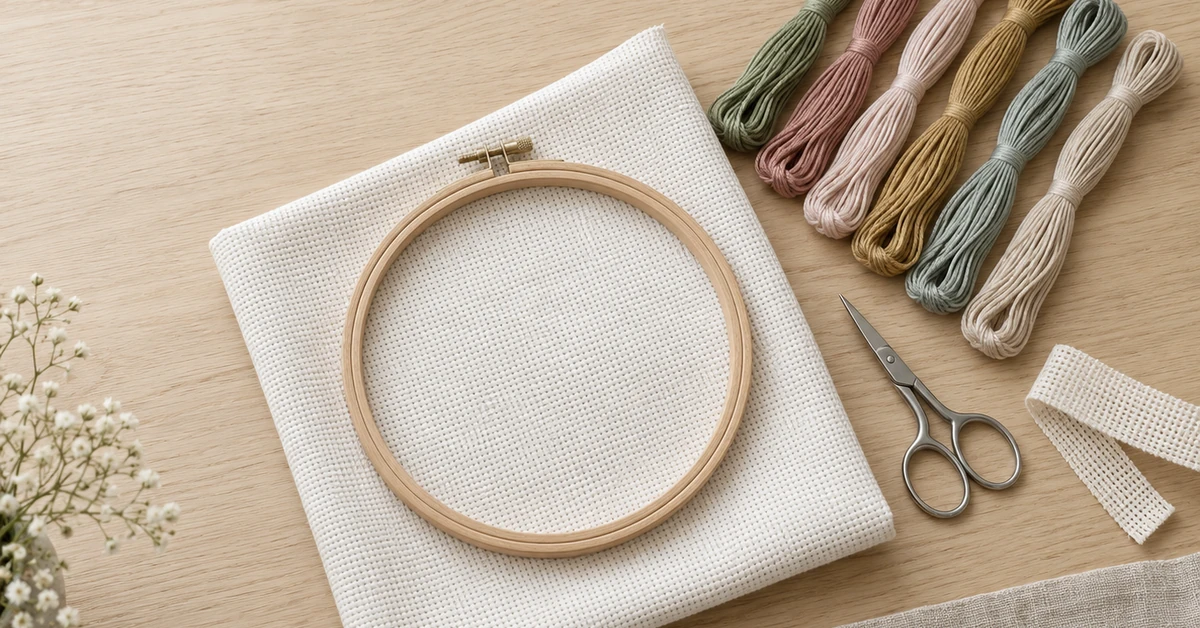
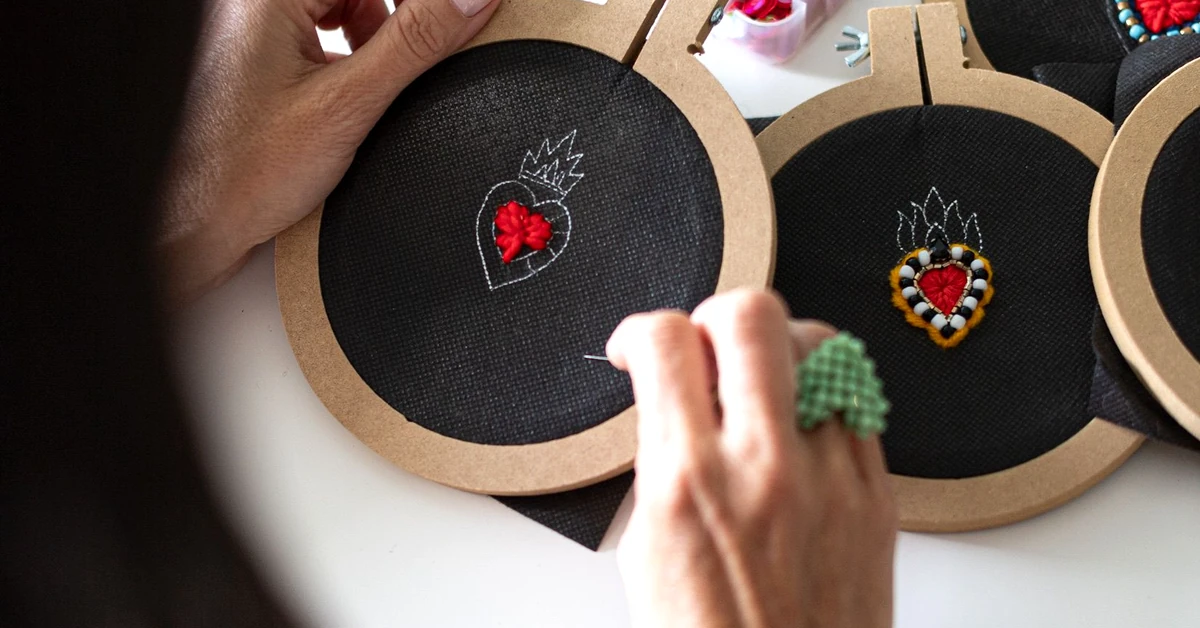
Fix the variables that should not change: tool model, needle setting, threader, yarn, fabric, frame tension, stitch spacing and operator. Record room conditions and photograph the setup. Use production-intent samples rather than polished display prototypes. A valid log compares the tool against an approved reference under the same lane, not against a tester’s memory.
- Assign every tool a sample ID and lot reference.
- Measure needle projection and mark adjustable positions.
- Condition yarn and fabric together before work begins.
- Prepare a grid so each thousand strokes occupies its own zone.
Stroke 1: capture first-use friction
Start the clock before opening or threading. Note whether the threader is obvious, whether instructions match the tool, and how many attempts are needed to establish the first loop. This checkpoint reveals onboarding faults that experienced makers unconsciously bypass. Do not coach unless the test protocol explicitly includes guided instruction.
Stroke 100: check the loop baseline
At one hundred strokes, the operator has adapted enough to create a baseline without masking early confusion. Measure a defined section from the loop side and the working side. Record skipped loops, unusually tall loops, yarn damage and fabric holes. Photograph with a scale and directional label so later zones can be compared accurately.
| Observation | Recording method | Escalation signal |
|---|---|---|
| Skipped loops | Count per 100 strokes | Repeated cluster under stable technique |
| Loop height | Measure agreed sample points | Progressive drift from baseline |
| Yarn damage | Count splits or abrasion marks | Sharp increase with clean tool |
| Needle position | Read mark against collar | Movement without adjustment |
Stroke 1,000: inspect the retention system
Pause without changing the adjustment. Compare the needle projection, handle alignment and locking position with the starting photos. An adjustable tool must remain adjustable, yet it should not creep under normal grip pressure. Check collars, screws or detents for loosening and inspect the needle-to-handle interface for rotation.
The punch needle loop height guide explains how projection and technique affect the result. Use that relationship to diagnose drift rather than assuming every uneven loop is a yarn or operator problem.
Stroke 2,000: map hand fatigue
Ask the tester to mark pressure, slipping, hotspots and posture changes on a simple hand diagram. Use a short rating scale at fixed intervals instead of waiting until the end. The score is comparative, not medical evidence. Different hands and techniques will produce different results, so repeat promising designs with several users before drawing a broad comfort claim.
- Rate grip effort before starting the interval.
- Note finger repositioning while keeping technique natural.
- Mark any seam, ridge or control that creates pressure.
- Rate recovery after a standard break.
Stroke 3,000: review threading recovery
Deliberately change yarn at this checkpoint. Observe threader alignment, access through the channel and the risk of bending or losing the wire. If the tool requires a separate threader, define whether a spare belongs in the pack. A retail product should make recovery from an ordinary yarn change predictable rather than turning the smallest accessory into a single point of failure.
Stroke 4,000: clean without damaging the tool
Follow the proposed consumer cleaning instructions exactly. Inspect yarn lint, adhesive residue if applicable and debris around adjustment parts. Confirm that the cleaning method does not erase markings, corrode metal or push fibers deeper into the channel. When the instructions say “wipe clean,” name the cloth and whether moisture is permitted.
- Photograph the channel before and after cleaning.
- Count passes needed to restore free yarn movement.
- Recheck marks and adjustable parts.
- Resume on the test grid and compare the next 100 strokes.
Stroke 5,000: decide whether wear is cosmetic or functional
A polished contact patch on the handle may be harmless; a burr in the yarn channel is not. Classify changes by function, safety, identity and appearance. Then define a retirement rule. The rule might be a loose needle, cracked grip, persistent snag or unreadable setting. Without a rule, testers tend to normalize gradual decline.
For a wider component view, compare the tool against the relationships in the punch needle kit compatibility guide. A durable needle still produces poor results if its yarn and foundation fabric are mismatched.
How to compare a punch needle tools supplier
Give each candidate the same test lane and request the same production records. Ask how needles are formed and finished, how channels are inspected, how adjustable parts are verified, and how samples map to finished lots. Punch needle supplies wholesale offers should be compared with replacement parts, threaders, packaging and documentation included, not only the headline tool price.
| Supplier evidence | Buyer question | Useful response |
|---|---|---|
| Material record | What controls needle and handle consistency? | Named specification with lot traceability |
| Finish check | How are burrs and blocked channels detected? | Defined visual and pass-through method |
| Retention test | How is adjustment creep checked? | Cycle or use test with acceptance limit |
| Change control | Who approves substitutions? | Written buyer approval before production |
Keep the fabric and yarn inside the record
Tool data is meaningless without the consumables used to create it. Record fabric composition and construction, frame tension, yarn composition, yarn structure and nominal size. The Craft Yarn Council yarn weight system is a useful shared vocabulary, though samples and actual measurements remain necessary because yarns within a category can behave differently.
Translate the log into a starter kit
A punch needle starter kit manufacturer must set the beginner up inside the tested lane. If the kit changes yarn, fabric, frame or instructions after the tool test, repeat the relevant checkpoints. Add a quick-start path that explains needle orientation, threading direction, fabric tension and how to secure loops. Keep troubleshooting beside the step where the problem occurs.
- Confirm all components match the tested combination.
- Observe a novice complete the first stitched area.
- Count recovery attempts after a skipped loop.
- Revise instructions before claiming beginner suitability.
Design retail ready punch needle kits around custody
Retail ready punch needle kits need secure needle and threader storage, clear component counts and a pack that survives handling. Protect the point, prevent the adjustment from changing in transit and make small parts visible during unpacking. The retail-ready punch needle kit guide can support packaging review after the wear log confirms the working combination.
Turn defect notes into corrective action
A useful report states when the fault appeared, where it appeared on the grid, which sample and consumables were involved, and whether cleaning or readjustment changed it. Preserve the tool and stitched panel. The ISO quality management principles provide a general basis for process and evidence thinking; they do not replace product-specific requirements or independent verification.
Set honest claim boundaries
Five thousand controlled strokes do not prove lifetime durability. Operator adaptation may conceal discomfort, and an accelerated motion can introduce loads unlike normal crafting. Treat the log as a comparative development method. Avoid “never slips” or “works with all yarn” claims unless the evidence truly supports those absolutes. State compatible ranges and care conditions instead.
How Onehourcrafts chooses with the complete log
Rank candidates by stable loop formation, retention, cleanability, documented materials, replacement support and response to defects. Price matters after the test lane is comparable. Onehourcrafts can help convert the findings into a product brief and packed-kit checklist. The strongest punch needle tools supplier is not the one with the smoothest first ten stitches, but the one whose tool remains predictable and whose records explain change.
Frequently asked questions
Why use thousand-stroke checkpoints?
They make gradual changes visible and create comparable pause points for different samples. The number is a practical interval, not a universal durability standard, and can be adjusted to the product.
How should strokes be counted?
Use a mechanical or digital counter, a marked grid with a fixed stitch count, or recorded intervals that can be audited. State whether corrections and empty motions count.
What fabric tension should be used?
Use the tension specified for the intended kit and record how it is achieved. Keep the same frame, fabric area and tightening method across comparison samples.
How can adjustment creep be detected?
Measure projection, photograph the collar and place alignment marks before use. Recheck at fixed intervals without touching the setting immediately before measurement.
Should more than one operator test the tool?
Yes, after a tightly controlled baseline. Additional operators reveal grip and technique differences, but their data should remain identified rather than being mixed into an unexplained average.
What is a reasonable retirement rule?
Retire a sample when it creates a safety concern, cannot hold its setting, repeatedly damages yarn, cracks, corrodes or cannot be restored through the approved cleaning method.
How many tool samples are needed?
One sample can expose design issues but cannot describe production variation. Use multiple production-intent samples from identified lots and set quantities according to risk and order size.
Does a smooth needle guarantee good loops?
No. Projection, yarn, fabric construction, frame tension, orientation and operator rhythm all affect loop formation. Evaluate the full working combination.
What should be included with a replaceable needle?
State compatible sizes, insertion direction, locking method, point protection and replacement procedure. The consumer should not need to guess whether a spare fits the handle.
When should the wear log be repeated?
Repeat after material, tooling, finish, adjustment, yarn-path or packaging changes that could affect the tool, and periodically when monitoring repeated production.