
Before a sample request, what to ask a crochet kit supplier should produce comparable answers rather than a pile of sales claims. The buyer needs a question set that reveals capability, ownership, evidence and the next action. Onehourcrafts keeps the resulting evidence in a buyer-readable trail.
Open with the supplier's actual role
Interview card: Put this question on the supplier worksheet: 'Who will make, inspect, pack and communicate the kit?' It matters because the buyer identifies whether the contact is a factory, trading company, design partner or mixed model. A useful answer points to question-to-evidence card evidence—legal entity, site identity, process map and contact ownership—not just a confident sentence. Record the answer, proof offered, open gap and person responsible for the follow-up.
Interview card: The follow-up question should ask for a role statement attached to the RFQ. Flag a buyer assumes one contact controls every operation as a decision risk and explain the trade-off: fewer contacts versus clear responsibility. This keeps the interview comparable when several suppliers use different sales language for similar work and gives the question-to-evidence card sheet a clear close-out line.
Ask how the supplier reads a kit brief
Interview card: Put this question on the supplier worksheet: 'Which line in the brief would you clarify first?' It matters because the buyer tests whether the supplier can convert a customer idea into measurable production inputs. A useful answer points to question-to-evidence card evidence—BOM interpretation, open questions and revision notes—not just a confident sentence. Record the answer, proof offered, open gap and person responsible for the follow-up.
Interview card: The follow-up question should ask for a short written response before sampling. Flag a supplier starts from hidden assumptions as a decision risk and explain the trade-off: quick quotation versus correct scope. This keeps the interview comparable when several suppliers use different sales language for similar work and gives the question-to-evidence card sheet a clear close-out line.
Use crochet kit supplier questions as a comparison field: answer, proof offered, open gap and owner.
Probe component and BOM discipline
Interview card: Put this question on the supplier worksheet: 'How would you identify a missing or changed component?' It matters because the conversation moves from a product name to quantities, sizes, colors and substitutions. A useful answer points to question-to-evidence card evidence—BOM fields, coding, count method and substitution approval—not just a confident sentence. Record the answer, proof offered, open gap and person responsible for the follow-up.
Interview card: The follow-up question should ask for a sample BOM with revision history. Flag a visually similar component is treated as equivalent as a decision risk and explain the trade-off: flexible sourcing versus identity control. This keeps the interview comparable when several suppliers use different sales language for similar work and gives the question-to-evidence card sheet a clear close-out line.
The amfori BSCI overview can help buyers understand social-audit context; it does not answer product-specific capability or sample questions.
- Ask for one comparable kit and one example of a changed kit.
- Request the BOM format before discussing a final unit price.
- Separate factory capability from trading-company coordination.
- Ask who signs sample, packing and change decisions.
Ask what is genuinely made in-house
Interview card: Put this question on the supplier worksheet: 'Which step leaves your declared site?' It matters because the buyer learns which operations depend on partners or seasonal overflow. A useful answer points to question-to-evidence card evidence—process route, subcontractor boundary and capacity notes—not just a confident sentence. Record the answer, proof offered, open gap and person responsible for the follow-up.
Interview card: The follow-up question should ask for a written make-or-buy map. Flag the contact overstates direct control as a decision risk and explain the trade-off: capacity breadth versus traceability. This keeps the interview comparable when several suppliers use different sales language for similar work and gives the question-to-evidence card sheet a clear close-out line.
Test the sample review method
Interview card: Put this question on the supplier worksheet: 'What would you record if the prototype looks right but teaches badly?' It matters because the buyer checks whether a sample is reviewed against a brief rather than judged by taste alone. A useful answer points to question-to-evidence card evidence—sample number, change note, user steps and approval owner—not just a confident sentence. Record the answer, proof offered, open gap and person responsible for the follow-up.
Interview card: The follow-up question should ask for a sample review template with pass and revise fields. Flag feedback remains in chat messages as a decision risk and explain the trade-off: fast feedback versus durable evidence. This keeps the interview comparable when several suppliers use different sales language for similar work and gives the question-to-evidence card sheet a clear close-out line.
A clear crochet supplier RFQ response should show the supplier's assumption and what the buyer must confirm.
Ask how MOQ is calculated
Interview card: Put this question on the supplier worksheet: 'Which MOQ changes when only the artwork changes?' It matters because the supplier explains the volume trigger for yarn, tools, printing, cartons and labor. A useful answer points to question-to-evidence card evidence—component MOQs, pack MOQs, tooling and forecast assumptions—not just a confident sentence. Record the answer, proof offered, open gap and person responsible for the follow-up.
Interview card: The follow-up question should ask for a layered MOQ table. Flag one blended MOQ hides the real constraint as a decision risk and explain the trade-off: simple sales language versus useful planning. This keeps the interview comparable when several suppliers use different sales language for similar work and gives the question-to-evidence card sheet a clear close-out line.
| Decision point | Evidence to request | Buyer response |
|---|---|---|
| Capability | Process, equipment, staffing and similar work | Keep or remove from shortlist |
| Commercial | MOQ, tooling, sample and payment assumptions | Compare like-for-like |
| Quality | Inspection points, retained samples and defect actions | Ask for proof |
| Delivery | Pack-out, carton, route and change notification | Assign an owner |
Question packaging and pack-out
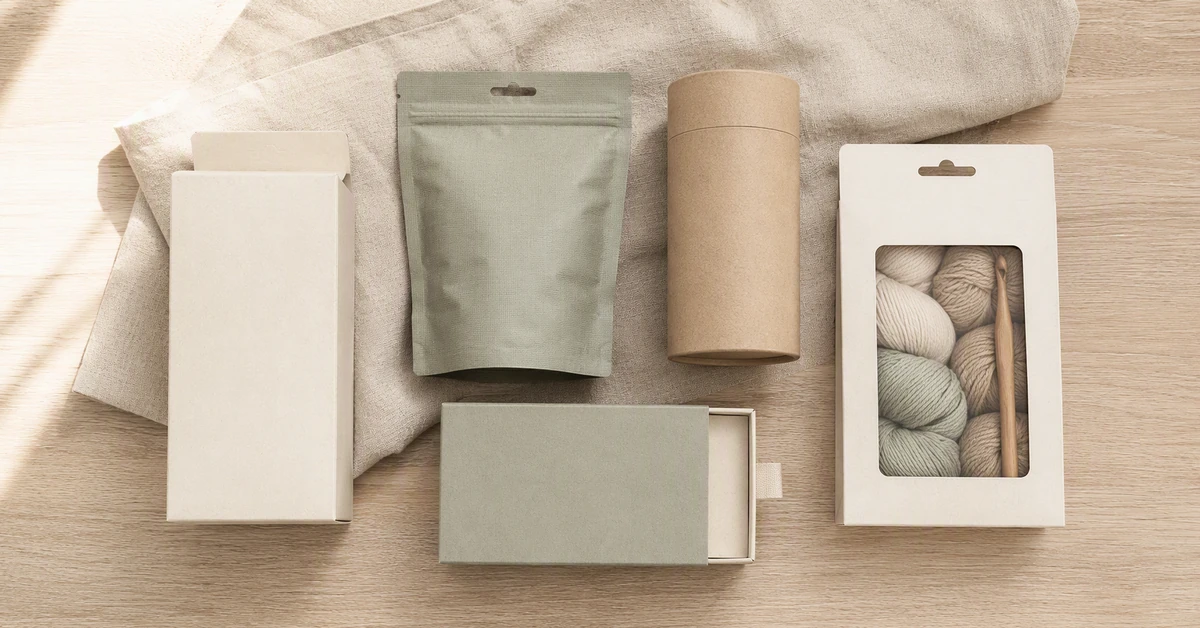
Interview card: Put this question on the supplier worksheet: 'How do you confirm the packed kit matches the approved BOM?' It matters because the buyer learns how the supplier protects small parts and keeps the opening sequence understandable. A useful answer points to question-to-evidence card evidence—inner bag, tray, insert, carton and pack-out check—not just a confident sentence. Record the answer, proof offered, open gap and person responsible for the follow-up.
Interview card: The follow-up question should ask for photos or records from a comparable pack. Flag packaging is treated as decoration only as a decision risk and explain the trade-off: lower pack cost versus component security. This keeps the interview comparable when several suppliers use different sales language for similar work and gives the question-to-evidence card sheet a clear close-out line.
Ask for inspection evidence
Interview card: Put this question on the supplier worksheet: 'Which defect would stop the order from shipping?' It matters because the supplier describes where count, color, tool and finish checks occur. A useful answer points to question-to-evidence card evidence—inspection points, sampling logic, defect classes and disposition—not just a confident sentence. Record the answer, proof offered, open gap and person responsible for the follow-up.
Interview card: The follow-up question should ask for a product-specific quality checklist. Flag generic quality claims cannot be tested as a decision risk and explain the trade-off: fewer checks versus higher escape risk. This keeps the interview comparable when several suppliers use different sales language for similar work and gives the question-to-evidence card sheet a clear close-out line.
Keep crochet sample approval in the sample gate so approval is tied to evidence rather than enthusiasm.
Explore change communication
Interview card: Put this question on the supplier worksheet: 'How quickly would you notify us and what evidence would you send?' It matters because the buyer sees how the supplier handles material, staff, artwork or route changes. A useful answer points to question-to-evidence card evidence—change notice, affected SKU, risk and effective date—not just a confident sentence. Record the answer, proof offered, open gap and person responsible for the follow-up.
Interview card: The follow-up question should ask for a sample change-notification form. Flag a quiet substitution becomes a new specification as a decision risk and explain the trade-off: responsive sourcing versus control. This keeps the interview comparable when several suppliers use different sales language for similar work and gives the question-to-evidence card sheet a clear close-out line.
Use the ISO quality management principles for process-thinking prompts, while keeping the supplier interview focused on the actual kit and route.
- Ask how missing components are detected before carton close.
- Request a sample revision log rather than only finished photos.
- Ask what happens when forecast quantity changes after sampling.
- Confirm the response route for quality claims and replacements.
Ask about delivery ownership
Interview card: Put this question on the supplier worksheet: 'Who makes the final pre-dispatch call?' It matters because the buyer assigns responsibility for readiness, documents, booking and exception handling. A useful answer points to question-to-evidence card evidence—carton count, packing list, inspection status and contact path—not just a confident sentence. Record the answer, proof offered, open gap and person responsible for the follow-up.
Interview card: The follow-up question should ask for a dispatch responsibility matrix. Flag each party waits for another party's confirmation as a decision risk and explain the trade-off: lean coordination versus visible ownership. This keeps the interview comparable when several suppliers use different sales language for similar work and gives the question-to-evidence card sheet a clear close-out line.
Check service and replacement logic
Interview card: Put this question on the supplier worksheet: 'Can a replacement be traced to the same approved component?' It matters because the supplier explains how missing or damaged components are identified and corrected. A useful answer points to question-to-evidence card evidence—component codes, photo evidence, claim window and remedy path—not just a confident sentence. Record the answer, proof offered, open gap and person responsible for the follow-up.
Interview card: The follow-up question should ask for a sample replacement scenario. Flag customer support receives a guess as a decision risk and explain the trade-off: low service cost versus buyer trust. This keeps the interview comparable when several suppliers use different sales language for similar work and gives the question-to-evidence card sheet a clear close-out line.
Compare answers without over-scoring
Interview card: Put this question on the supplier worksheet: 'Which response can be verified in a sample or record?' It matters because the buyer distinguishes a useful answer from a polished answer that has no proof. A useful answer points to question-to-evidence card evidence—answer, evidence, open gap and confidence level—not just a confident sentence. Record the answer, proof offered, open gap and person responsible for the follow-up.
Interview card: The follow-up question should ask for a weighted question sheet. Flag a long answer wins despite weak evidence as a decision risk and explain the trade-off: speed of review versus decision quality. This keeps the interview comparable when several suppliers use different sales language for similar work and gives the question-to-evidence card sheet a clear close-out line.
Cross-check answers against the audit evidence guide, the supplier scorecard and the buying-guide index.
Run one written follow-up round
Interview card: Put this question on the supplier worksheet: 'Does the supplier close the exact gap or redirect the question?' It matters because the buyer gives shortlisted suppliers the same clarifications and watches how they respond. A useful answer points to question-to-evidence card evidence—revised quote, BOM, sample plan and owner—not just a confident sentence. Record the answer, proof offered, open gap and person responsible for the follow-up.
Interview card: The follow-up question should ask for a dated follow-up log. Flag the shortlist is based on first impressions as a decision risk and explain the trade-off: relationship warmth versus repeatable process. This keeps the interview comparable when several suppliers use different sales language for similar work and gives the question-to-evidence card sheet a clear close-out line.
Turn the interview into a release gate
Interview card: Put this question on the supplier worksheet: 'What must be true before the buyer pays for the next sample?' It matters because the final question set becomes a decision record for sampling and later production. A useful answer points to question-to-evidence card evidence—open risks, owners, dates and required evidence—not just a confident sentence. Record the answer, proof offered, open gap and person responsible for the follow-up.
Interview card: The follow-up question should ask for a signed sample-release note. Flag sampling starts before commercial and technical gaps are visible as a decision risk and explain the trade-off: momentum versus avoidable rework. This keeps the interview comparable when several suppliers use different sales language for similar work and gives the question-to-evidence card sheet a clear close-out line.
How Onehourcrafts supports the decision trail
Onehourcrafts can help buyers turn supplier answers into a practical RFQ, sample record and decision note. The strongest question is not the most technical one; it is the one that reveals who owns the next piece of evidence and what will happen if the answer changes. The working what to ask a crochet kit supplier should stay attached to that evidence.
The approved what to ask a crochet kit supplier should leave behind a question-to-evidence card that another buyer can use when the supplier, sample or order size changes.
- Question set and answer comparison
- Proof received and gap owner
- Sample purpose and approval rule
- Follow-up date before production
Frequently asked questions
What should I ask a crochet kit supplier first?
Interview card:: Start with role, site, comparable experience, process ownership and how the supplier reads your brief. Early answers should reveal who can provide evidence, not only who can send a catalog.
How many questions should a supplier RFQ include?
Interview card:: Use enough questions to cover product, commercial, quality, packaging and delivery risk without burying the decision. A structured set of 15 to 25 questions is often easier to compare than a long ungrouped list.
Should a supplier show a similar sample?
Interview card:: Ask for a comparable example where confidentiality allows, then clarify what is truly comparable. Photos can show finish, but they do not prove BOM control, packing or repeatability.
How can I ask about subcontractors without sounding adversarial?
Interview card:: Frame it as a process and evidence question: which steps occur at each site, who controls the records and how changes are communicated. Clear boundaries protect both sides.
What MOQ questions matter for crochet kits?
Interview card:: Ask which component, print run, carton or labor assumption creates the MOQ, and whether artwork or color changes alter it. Request the MOQ by layer rather than one blended number.
What proof should a supplier provide before sampling?
Interview card:: Look for a clear brief response, BOM interpretation, sample plan, revision policy, packaging assumption and named owner. The exact proof depends on the kit's risk and complexity.
How should supplier answers be scored?
Interview card:: Score answer quality, evidence, relevance and unresolved risk separately. A confident answer without proof should not receive the same score as a specific answer tied to a record or sample.
Should packaging questions be asked before the sample?
Interview card:: Yes. The buyer should explain the intended opening sequence, component containment and route early, then confirm the details on the physical sample and pack proof.
What if two suppliers give different lead times?
Interview card:: Ask both to show the assumptions behind the lead time: sample rounds, material availability, print, packing, inspection and route. Compare the assumptions rather than only the calendar number.
When is a supplier ready for a paid sample?
Interview card:: When the brief, scope, commercial assumptions, sample purpose, revision rules and required evidence are clear enough that both sides can tell what the sample is meant to prove.