Product Overview: The Core Foundation for Garment Elasticity
In high-volume apparel manufacturing, garment failure rarely stems from the shell fabric itself; it happens at the flex points where recovery degrades over continuous wash cycles. Specifying Braided Elastic for Waistbands & Underwear (The "Workhorse") solves the widespread industry challenge of waistband rollover, loss of modulus, and structural fatigue in basic apparel lines. As one of the most resilient narrow fabric constructions developed for mass production, braided elastic provides dependable holding tension across casings, edge bindings, and light-duty internal support structures. When production consistency and long-term tension retention dictate your product returns, choosing an engineered braided trim is the most commercially viable decision your procurement team can make.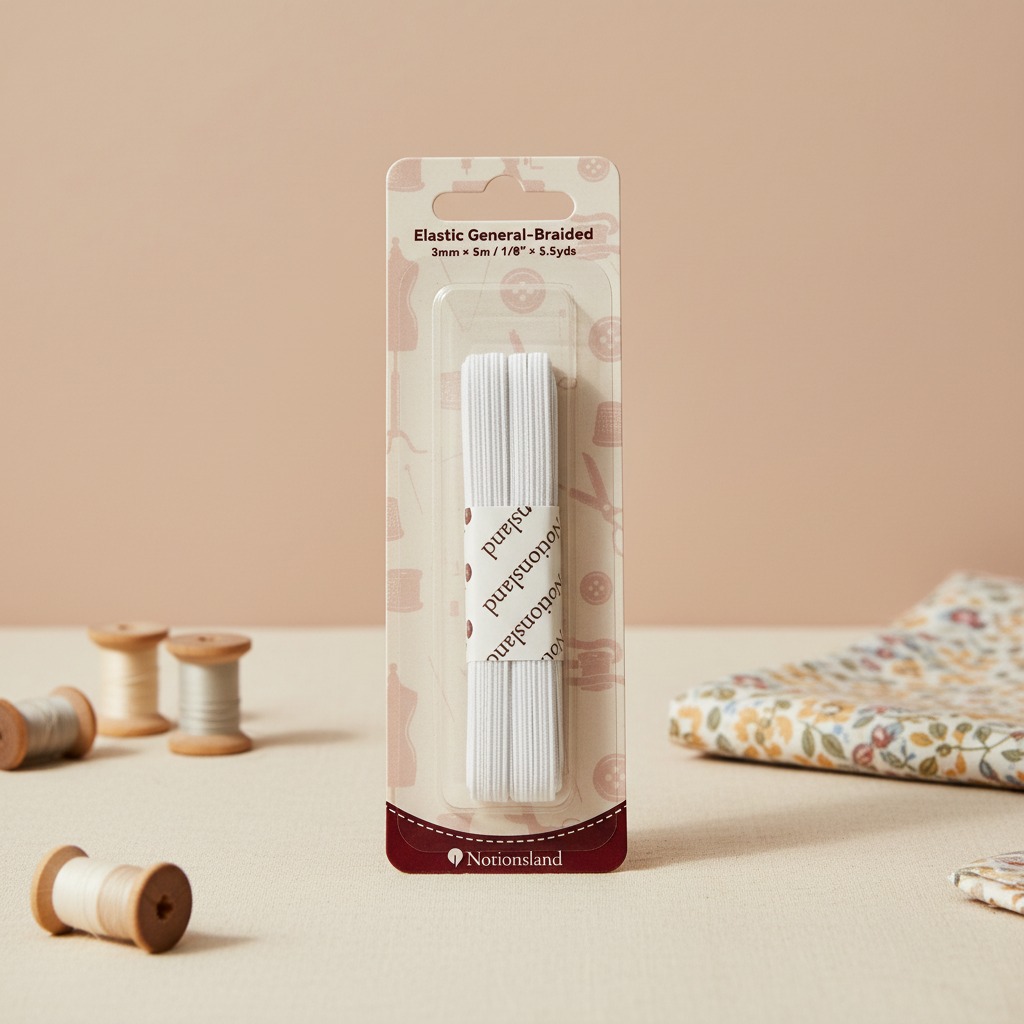
Technical Specifications & Observed Construction
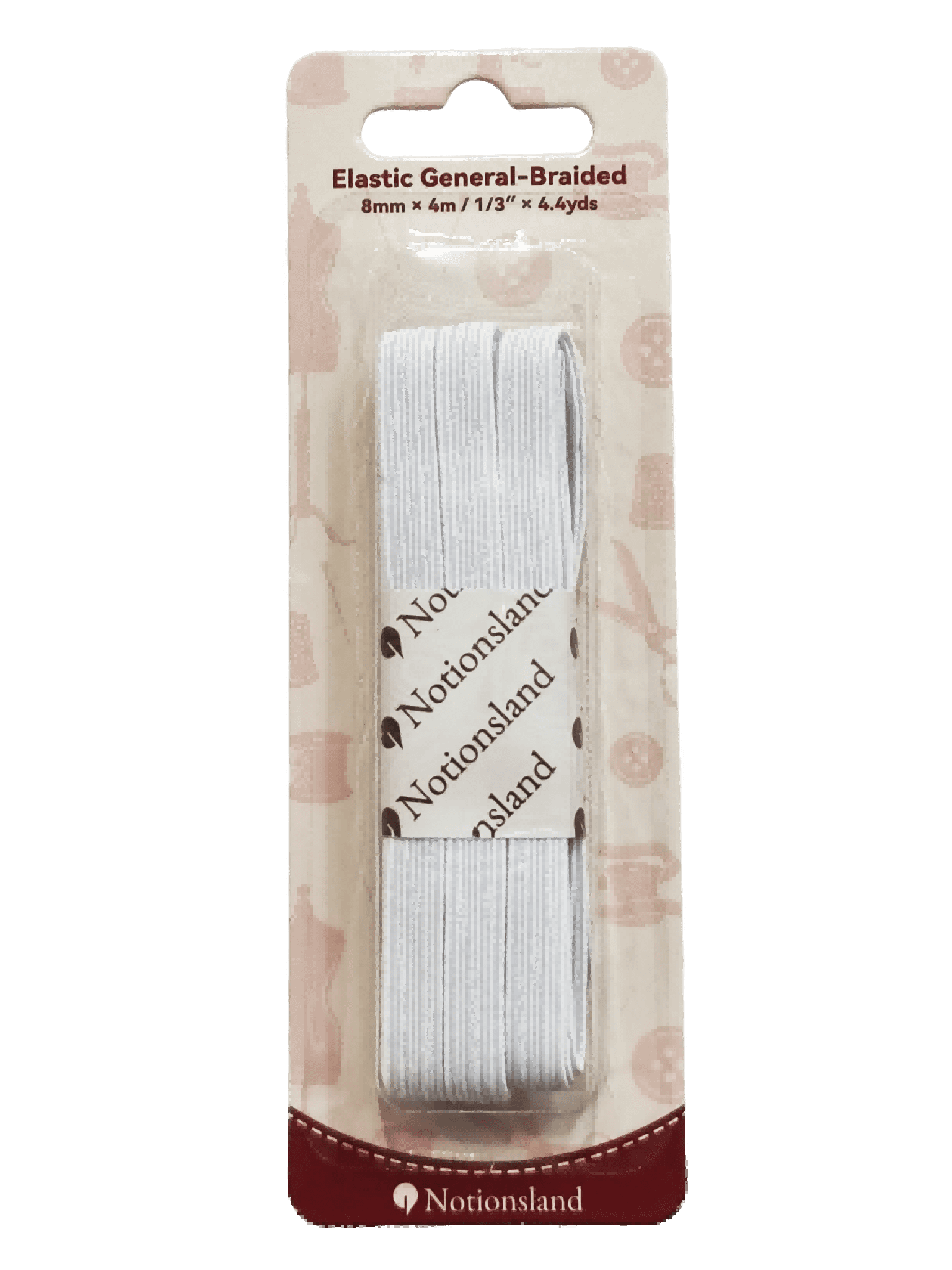
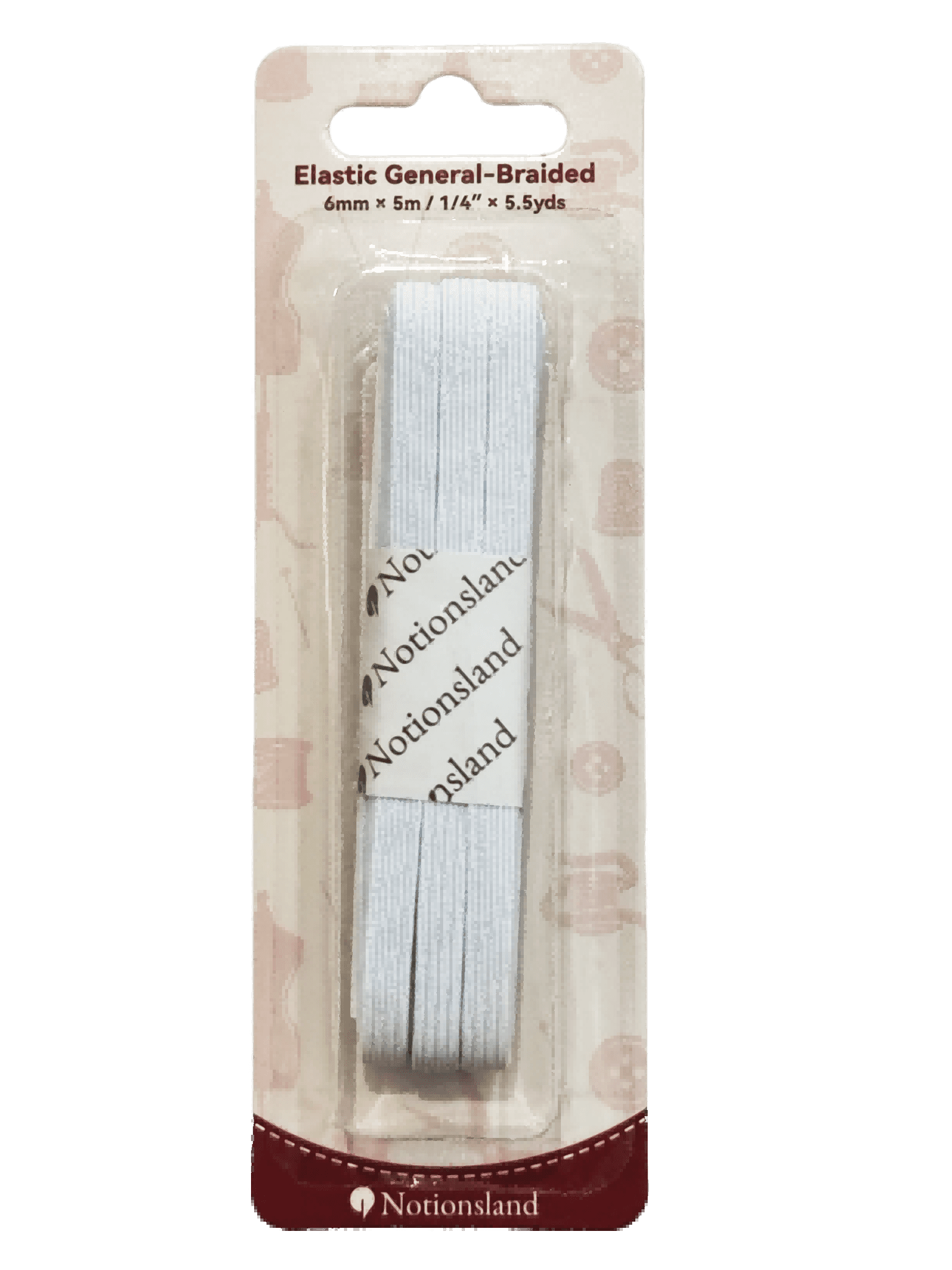
Braided elastics are mechanically distinguished by their cross-axial yarn interlacings. Visual examination of narrow standard packaging reveals a distinct longitudinally ribbed surface structure where parallel warp yarns are tightly encapsulated by diagonal braiding strands. Standard reference cuts commonly feature dimensions such as 3 mm nominal width (approximately 1/8 inch), packaged in pre-cut lengths or continuous industrial spools for automated feed guides.
Because narrow trims undergo continuous needle penetration during assembly, their internal geometry must balance core protection with elongation. While light-duty retail variants often list standard packaging figures (occasionally displaying packaging discrepancies between metric and imperial cut lengths that factory teams should verify during bulk intake), industrial procurement demands precise technical metrics. When evaluating narrow braided tape, buyers should clarify specific tensile load figures, modulus curves, and whether the core contains natural extruded latex or synthetic polyether-polyurethane (spandex) filaments.
Material Dynamics: Sheath Fibers vs. Elastomeric Cores
Unlike woven elastics that remain flat under heavy tension or direct stitching, braided elastic narrows as it stretches. This mechanical property makes it exceptionally suited for inserted casings rather than direct multi-needle topstitching. The performance of Braided Elastic for Waistbands & Underwear (The "Workhorse") depends on the composite interaction between two distinct layers:
- The Core Strands: Provide dynamic elongation and mechanical memory. Natural rubber offers aggressive snap-back and high initial modulus, whereas synthetic elastane provides superior resistance to chlorine, perspiration, and dry heat. Exact core types must be specified according to intended wash temperatures.
- The Braided Sheath: Typically spun from continuous filament polyester or texturized nylon yarn. This protective jacket shields internal elastomeric cores from mechanical abrasion, sewing machine needle strikes, and ultraviolet exposure during storage.
Manufacturing Mechanics: Braiding vs. Alternative Elastic Trim Formats
Apparel production lines rely on distinct elastic technologies depending on the garment's operational friction. In specialized footwear and hosiery assembly, designers utilize Knit-In Elastic Yarn for Socks & Cuffs (Specialty Fiber) to deliver bare-skin breathability and micro-level loop tension directly on the knitting frame. Conversely, headwear and structured outerwear often bypass textile stretch altogether in favor of rigid components like an Adjustable Hat Sweatband & Visor Insert (Functional Hardware) to secure fit mechanically.
Braided Elastic for Waistbands & Underwear (The "Workhorse") sits firmly between these extremes as the universal standard for enclosed seams. Manufactured on high-speed circular or maypole braiding machines, multiple yarn bobbins rotate around parallel core elastic threads. The resulting interlocking braid guarantees that even if an individual sheath fiber snaps under surface friction, the remaining structure maintains its baseline tensile integrity without unraveling along the seamline.
Strategic Garment Application Scenarios
Implementing braided elastics across apparel programs reduces tooling adjustments and simplifies inventory management across several key categories:
- Undergarment Leg Openings & Waistbands: Delivers continuous holding power in gathered tunnels, preventing fabric droop without excessive localized pressure.
- Childrenswear & Sleepwear Casings: Ideal for self-fabric drawstring and elasticized casing combinations where simple machine insertion keeps production throughput elevated.
- Ruching and Sleeve Cuffs: The narrow 3 mm profile allows for clean, low-bulk gathering on blouses, swimwear linings, and technical baselayers.
- Medical Disposables & Utility Wear: Provides reliable tension loops for hoods, shoe covers, and isolation gowns where reliable recovery under short-term stress is mandatory.
Quality Control Benchmarks for Sourcing Managers
To eliminate batch variations, your quality assurance protocol should benchmark three vital metrics before approving shipping samples:
1. Elongation and Elastic Modulus
Determine the exact stretch percentage (typically 110% to 140% for light braided tapes) and measure the pull force required to reach operational extension. The trim should return to its original length with zero permanent set after 500 mechanical test cycles.
2. Needle Strike Resistance
Run standard ballpoint and sharp industrial needles through the elastic center under production speeds. The core strands must not sever or produce visible core 'pop-out' along the stitching channel.
3. Thermal and Chemical Shrinkage
Expose cut samples to standard industrial laundering cycles (60°C wash and tumble dry). Narrow braided trims should exhibit less than 5% dimensional shrinkage to prevent puckering along garment seams after consumer purchase.
Streamline Your Trim Sourcing
Investing in reliable braided trims eliminates costly factory downtime, reduces seam puckering rejections, and safeguards customer satisfaction where comfort matters most. Whether you are standardizing basic underwear lines or auditing casing trims for your upcoming collection, our technical team provides verified dimensioning, customized elasticity profiling, and spool formats tailored to automated feed equipment. Contact our apparel supply specialists today to request technical data sheets and material test swatches.