Engineered Reliability: Braided Elastic for Waistbands & Underwear (The "Workhorse")
In high-volume garment manufacturing and commercial repair, inconsistent tension across seams disrupts fit, ruins sizing predictability, and inflates factory return rates. Choosing the right trim is not an aesthetic afterthought; it is a structural necessity. Utilizing dependable Braided Elastic for Waistbands & Underwear (The "Workhorse") resolves these tension failures by delivering dependable mechanical grip inside casings, channels, and gathered hems. When your product line depends on sustained garment recovery and predictable gathering behavior, relying on standard, precision-manufactured braided trim protects your production margins and enhances garment lifespan.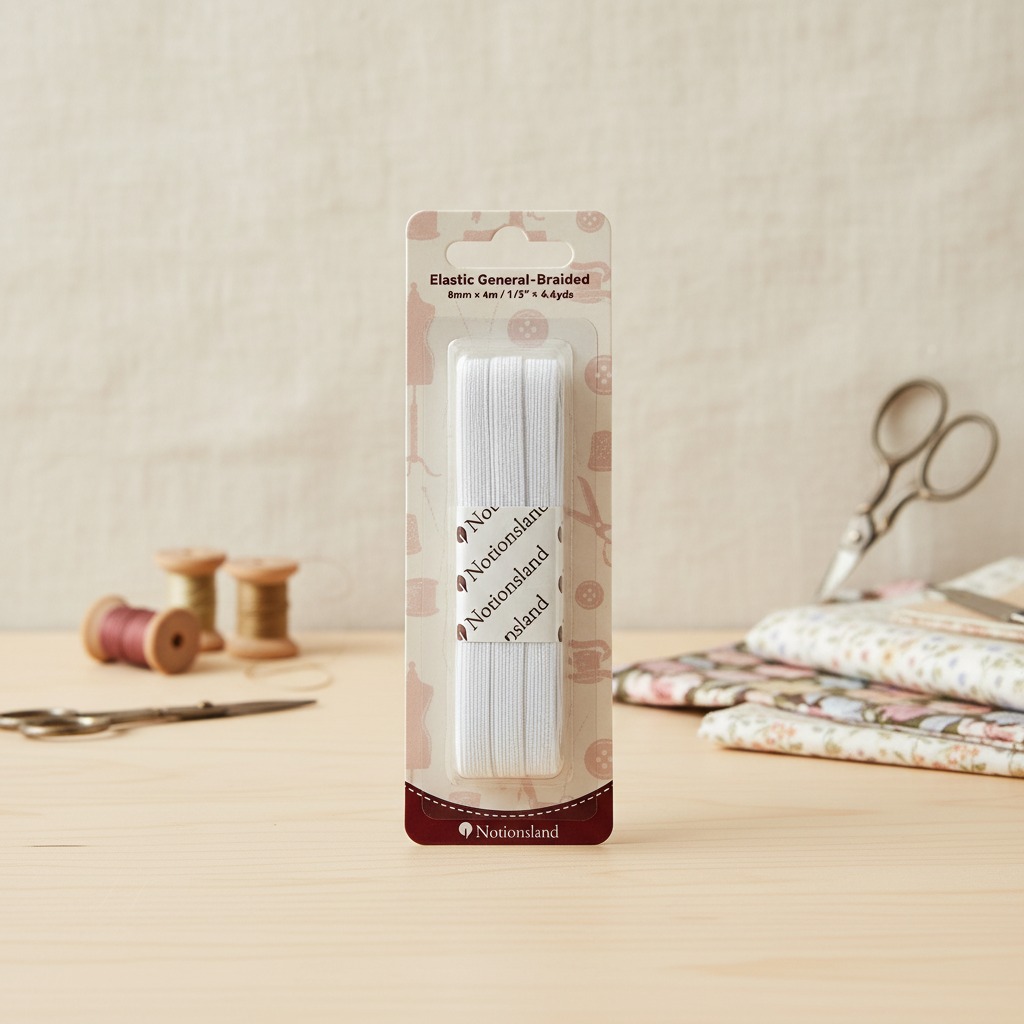
Product Overview & Visible Physical Attributes
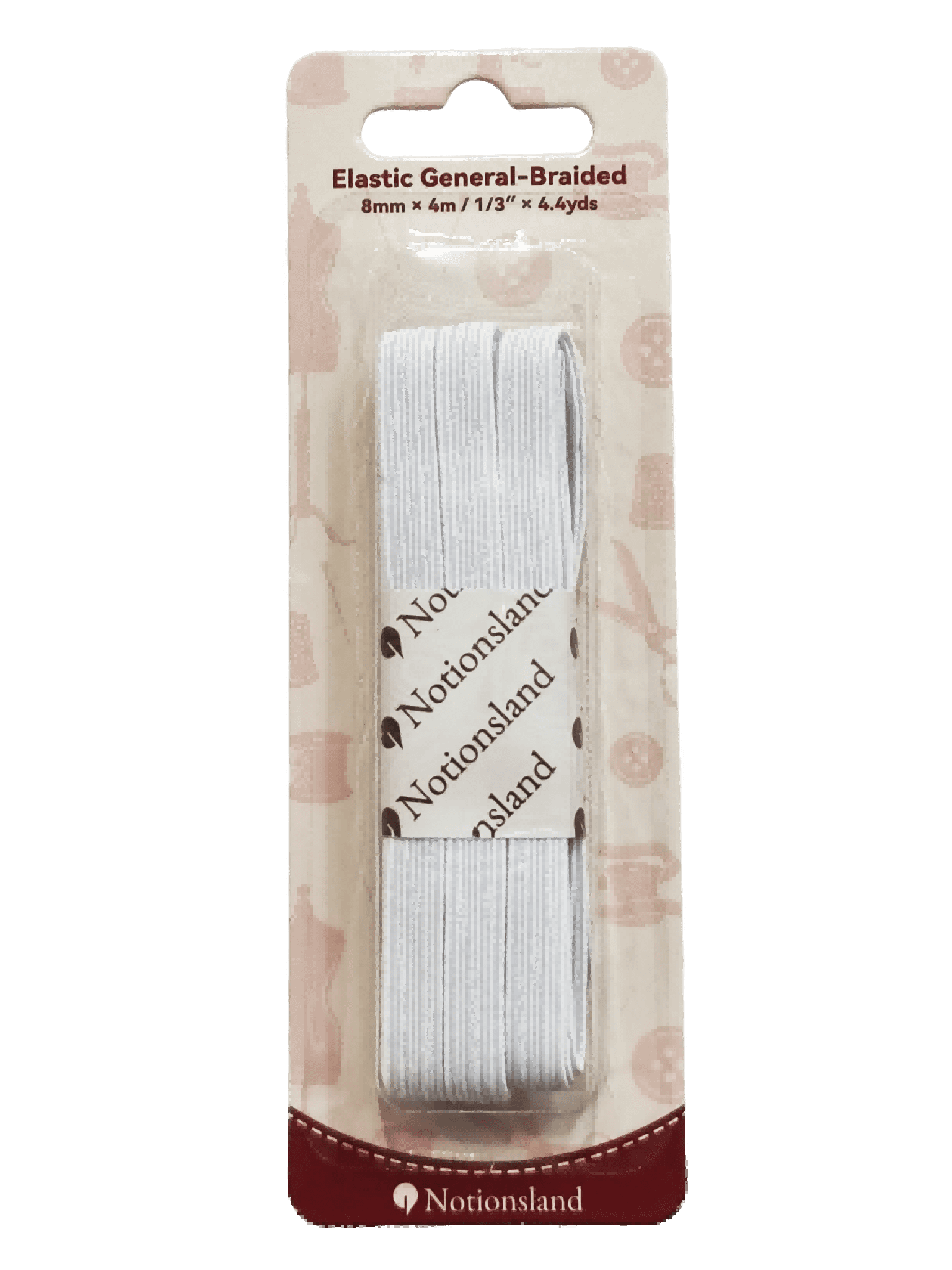
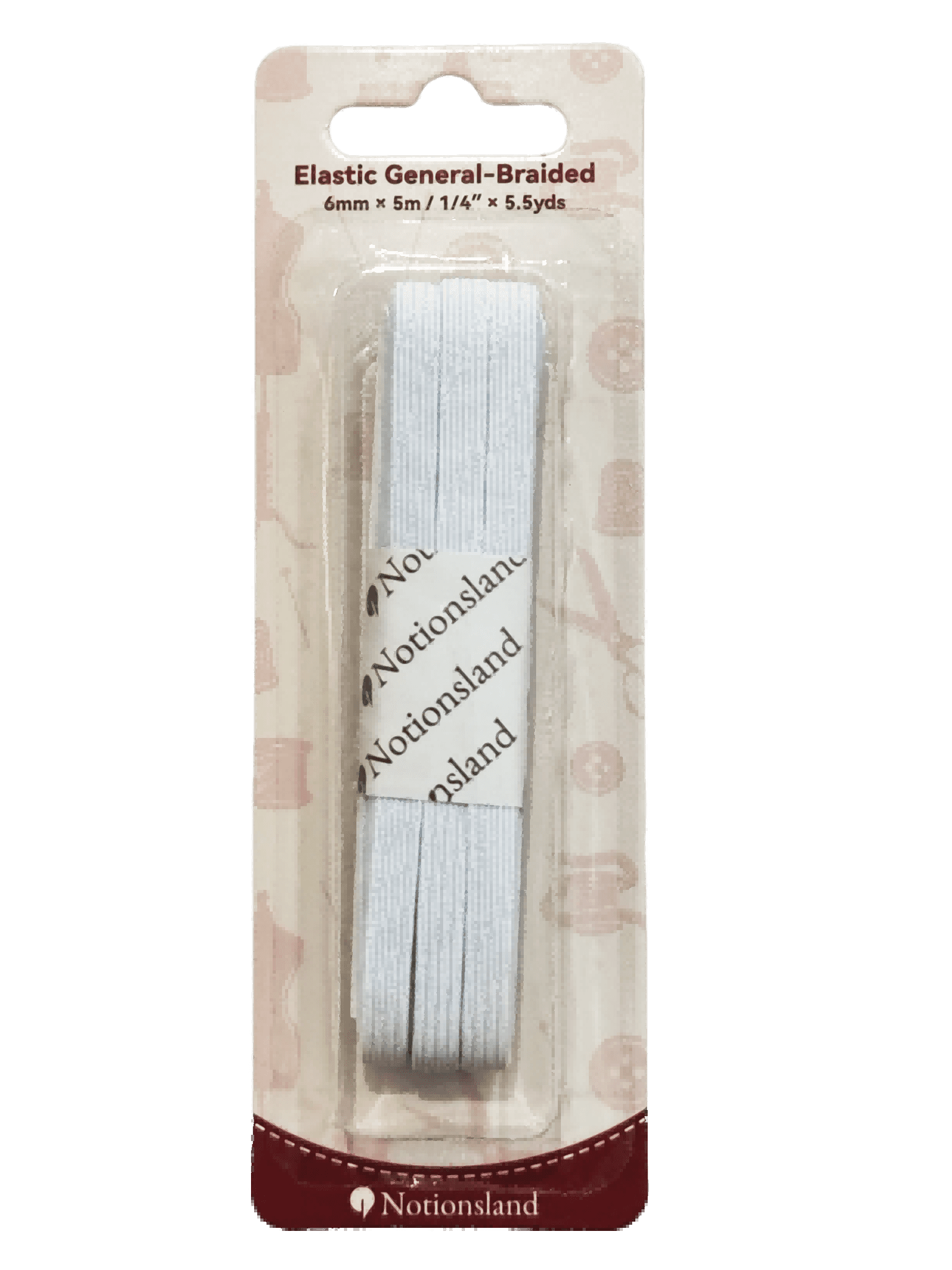
Braided elastic earns its reputation as an industry staple due to its dense, interlocked yarn pattern. Inspection of the standard profile reveals a characteristic lengthwise ribbed texture that provides structural rigidity against rolling within a waistband or undergarment casing. Packaged in accessible retail card formats—such as 8 mm width (approximately 1/3 inch) by 4-meter lengths (4.4 yards) fitted with standard retail hang tags—this trim is universally adaptable for both modular small-batch workshops and sample development rooms.
While flat woven elastic remains stable in width when extended, braided elastic naturally narrows as tension increases. In waistband channels, casing seams, and hem tunnels, this narrowing minimizes friction against inner shell fabrics during insertion while delivering an active cinching force when relaxed.
Materials, Construction, and Technical Verification
Visual product samples confirm a braided architecture with a clear ribbed outer profile, typically composed of an elastomeric core surrounded by interlaced textile yarns. However, raw material composition, precise modulus, colorfastness, and thermal stability cannot be determined by eye alone. Sourcing teams must evaluate specific performance criteria tailored to garment care tags:
Key Technical Clarifications for Sourcing Teams
- Core Elastomer Selection: Depending on end-use demands, the inner filament might feature natural rubber or synthetic elastane. Garments requiring chlorine tolerance, dry-cleaning endurance, or high-heat tumbler drying demand synthetic cores that resist chemical degradation.
- Tensile Recovery & Elongation: Standard braided elastic typically exhibits elongation between 100% and 150%. Sourcing engineers should specify tensile draw limits to prevent premature sagging over repeated laundry cycles.
- Sheath Fiber Options: Polyester sheaths resist moisture absorption and offer tensile toughness, whereas nylon options yield a softer hand-feel for garments worn close to sensitive skin.
Application Scenarios Across Garment Categories
Because braided trims stiffen slightly and narrow under tension, they perform exceptionally well when threaded inside casings rather than stitched through directly with dense lockstitches, which can puncture interior elastomer filaments.
Waistbands, Underwear, and Sleeve Cuffs
The 8 mm profile is an optimal gauge for children’s sleepwear hems, base-layer underwear leg openings, and lightweight drawstring alternatives. Its ribbed structure resists horizontal folding inside narrow channels, keeping the garment securely anchored against body movement.
Complementary Narrow-Fabric Applications
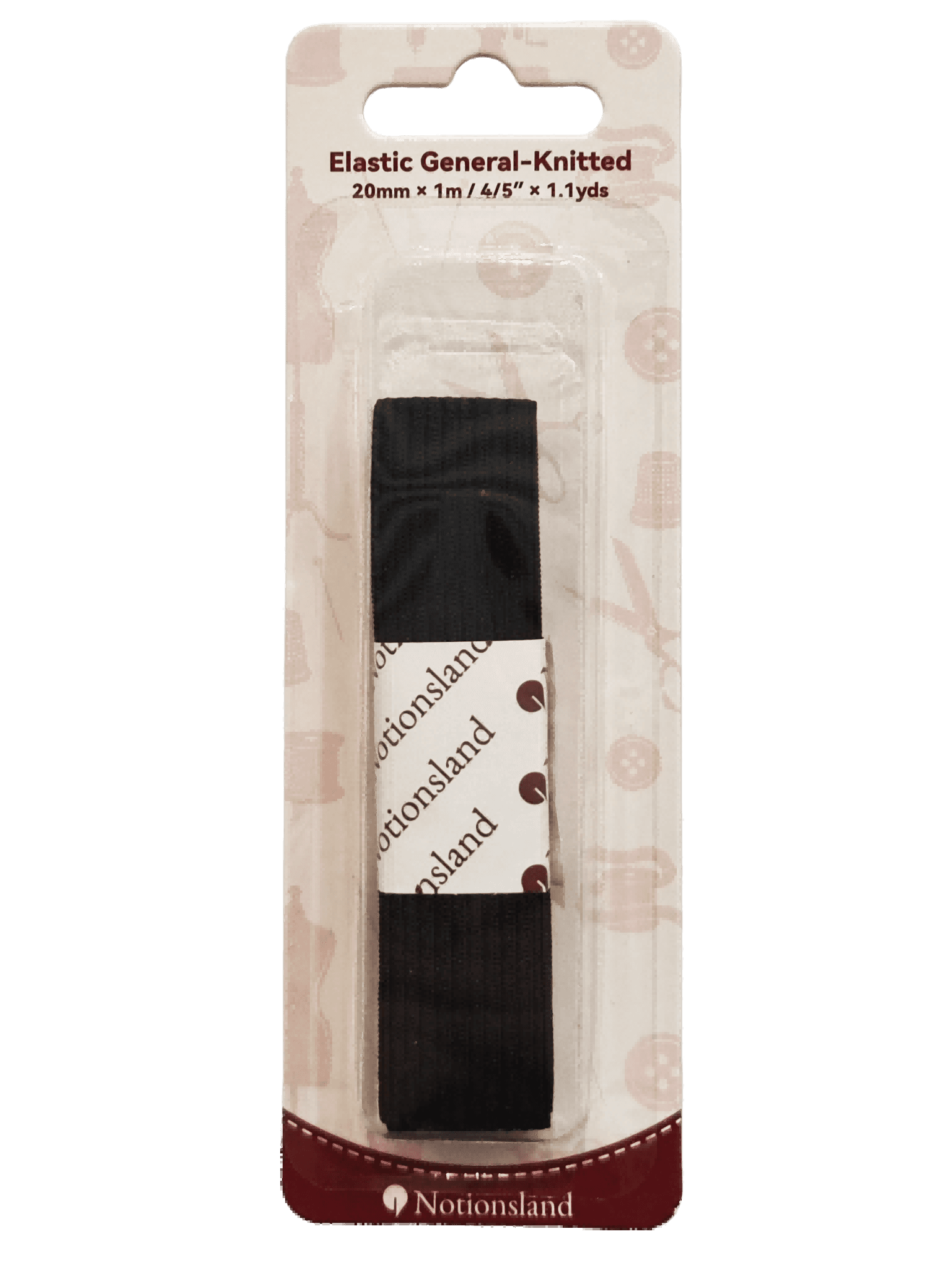
Apparel assembly lines often balance multiple elastic formats across a single bill of materials. While braided band handles casing tension in trunks and shorts, seamless or knitted sections rely on different engineering. For instance, mills integrate Knit-In Elastic Yarn for Socks & Cuffs (Specialty Fiber) directly into circular knitting cylinders to maintain continuous radial compression without bulk seams. Similarly, headwear production bypasses traditional braided tape entirely, relying instead on a rigid or semi-rigid Adjustable Hat Sweatband & Visor Insert (Functional Hardware) to combine perimeter moisture absorption with calibrated structural sizing.
Quality Control Benchmarks for Garment Sourcing
To avoid mid-production defects, procurement departments should request documented testing protocols from manufacturers before approving mass production runs:
- Recovery Retention Testing: Measure trim stretch after cyclic elongation (e.g., 500 cycles at 80% maximum extension) to verify zero residual drift.
- Thermal & Wash Resistance: Expose trimmed swatches to standard commercial laundering cycles at elevated water temperatures to ensure the sheath does not shrink prematurely relative to the elastic core.
- Needle Penetration Resilience: If your production line requires bar-tacking the elastic ends directly into seam allowances, confirm yarn-slip resistance to prevent the elastic core from snapping out of the perimeter stitch.
Customization Guidance & Procurement Factors
Do not treat standard trims as generic commodities. Whether you require standard carded lengths for retail notions displays or large continuous spools for automated feeder attachments, specify exact dimensional tolerances, packaging styles, and elongation ratios during the RFQ phase. Combining your supply requirements for standard waist elastic, Knit-In Elastic Yarn for Socks & Cuffs (Specialty Fiber), or specialized items like an Adjustable Hat Sweatband & Visor Insert (Functional Hardware) under consolidated vendor contracts drives down unit shipping overhead and stabilizes batch coloration.
Secure Your Trim Supply Chain
High-performing apparel relies on components that execute their fundamental function without failure. Ensure your garment lines deliver reliable stretch, wash-after-wash consistency, and dependable casing stability. Contact our technical trim specialists today to review testing data, request sample swatch cards, and finalize customized yardage specifications for your upcoming manufacturing cycle.