
Garment manufacturers and textile assemblers frequently struggle with edge distortion, seam failure, and tension collapse in lightweight apparel. Sourcing reliable Braided Elastic for Waistbands & Underwear (The "Workhorse") solves this production vulnerability by providing the balanced structural grip and consistent narrow-gauge recovery needed to secure garments without adding bulk or operator handling delays.
Product Overview: The Resilient Narrow Trim
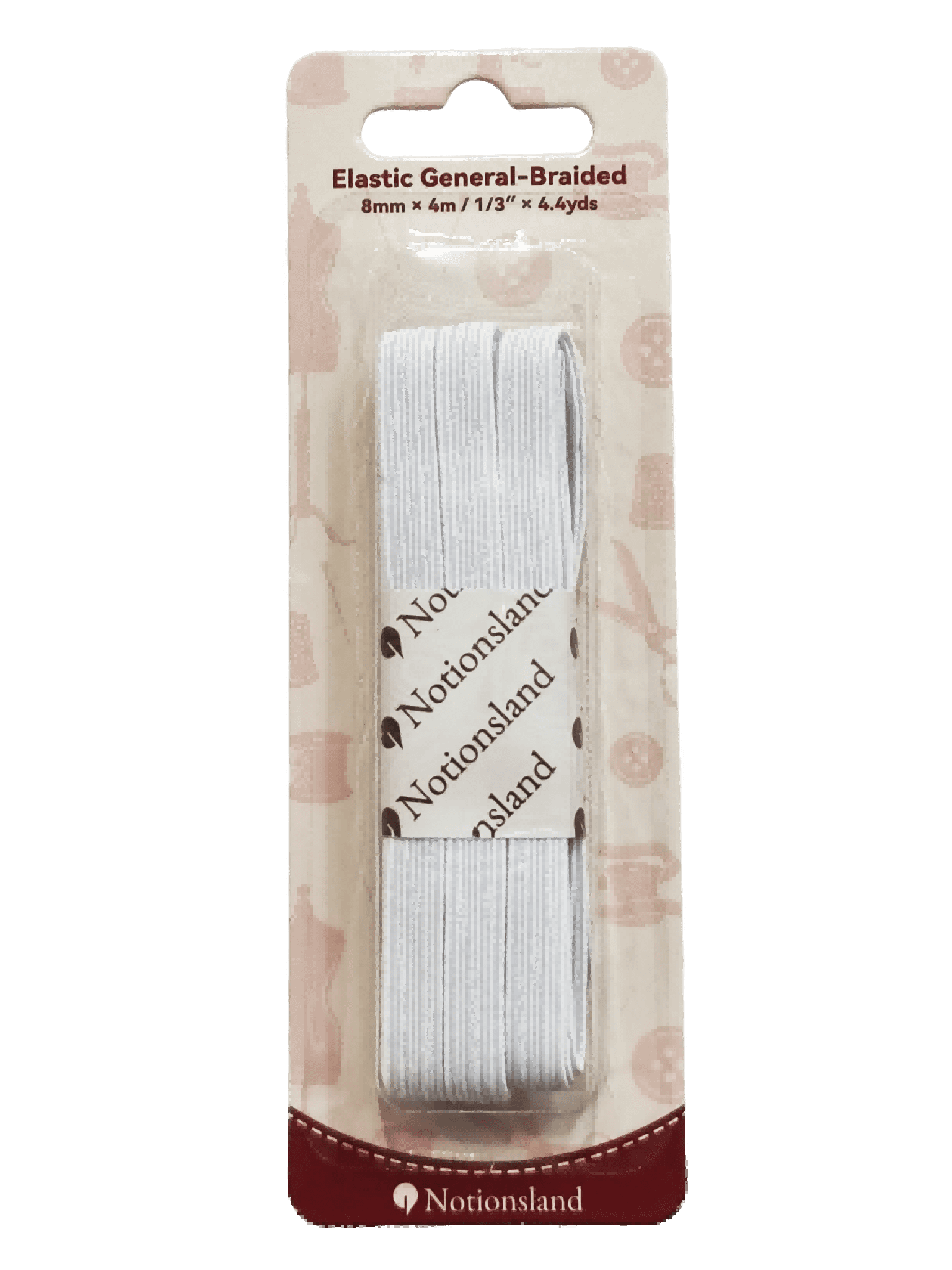
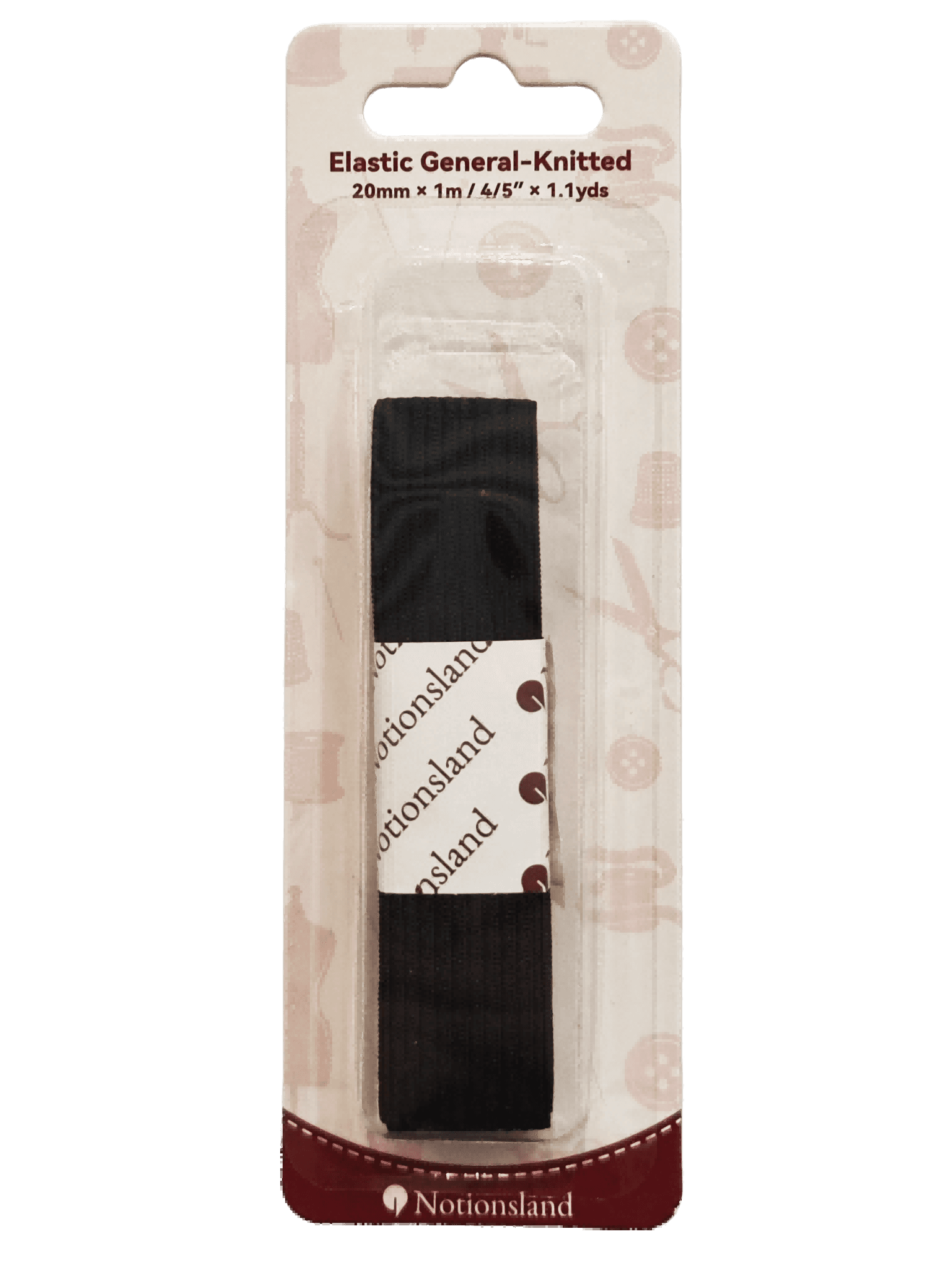
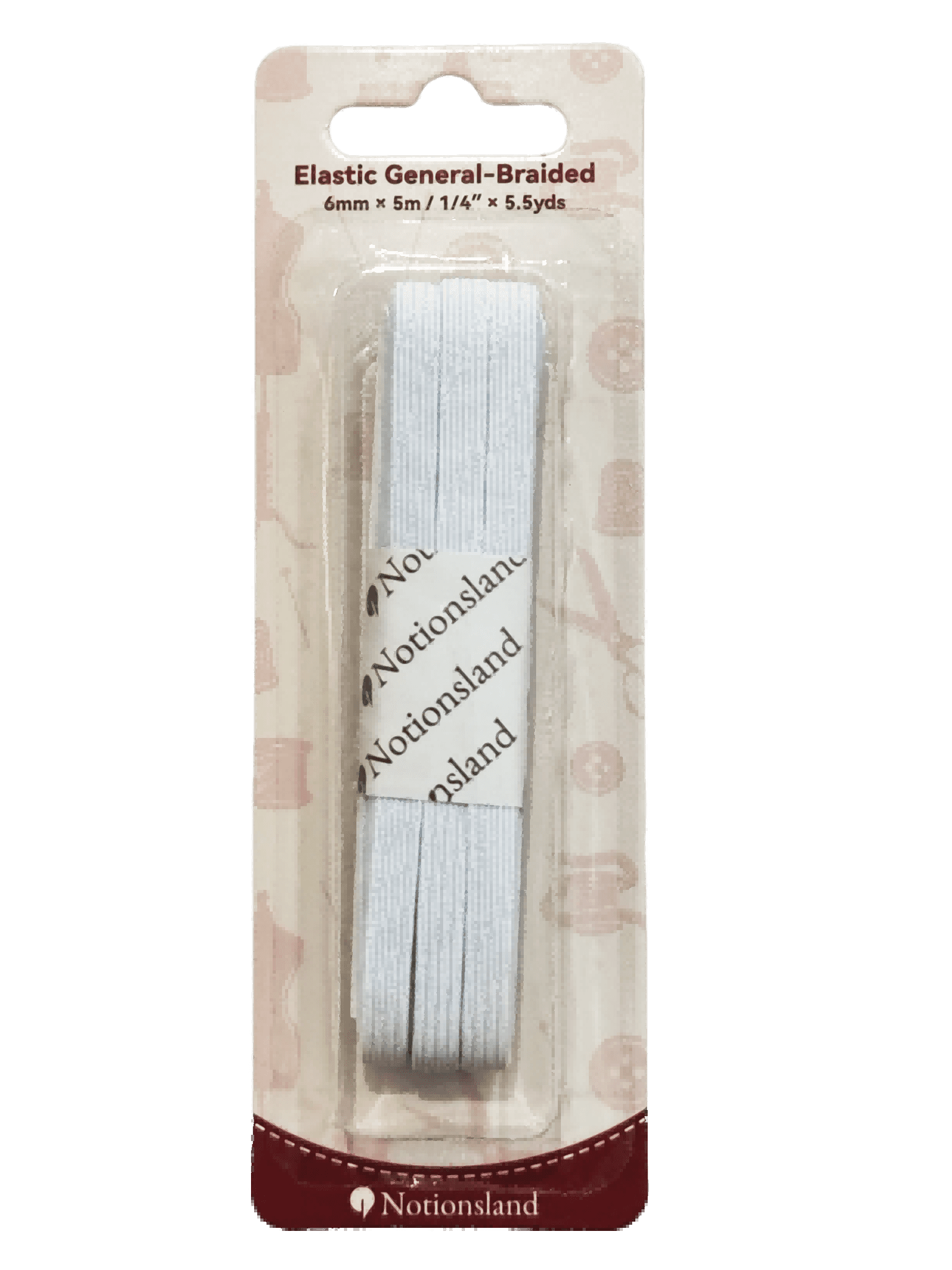
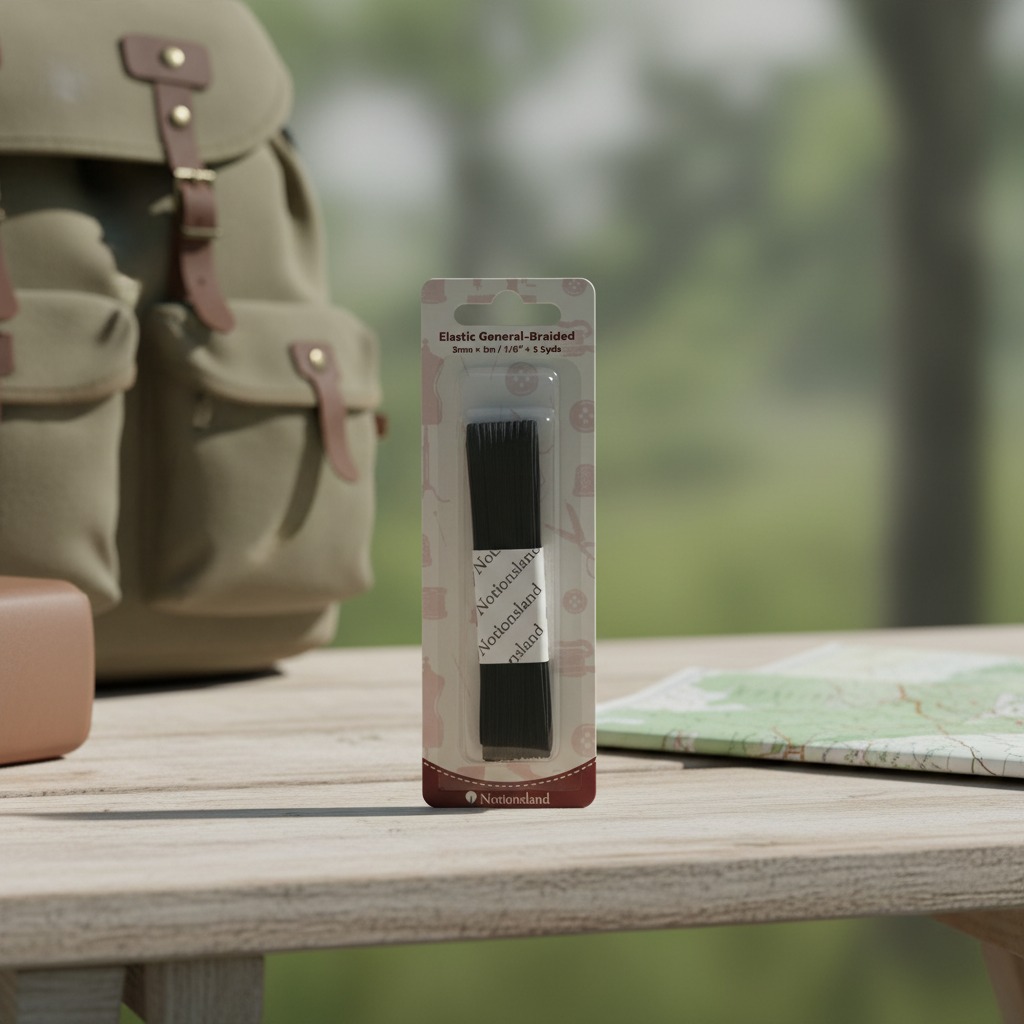
Braided elastic represents one of the most reliable and mechanically stable options in commercial apparel manufacturing. Characterized by visible lengthwise parallel ridges created through interlaced outer yarns, this narrow trim provides high longitudinal flexibility with pronounced structural firmness. Standard commercial baseline samples—such as the verified 3 mm (1/8 in) wide format provided in convenient 5 m (5.5 yd) packaged cut lengths—demonstrate the fundamental mechanical profile required for casing insertions, channel stitching, and gathered edges.
While often distributed in individual blister packs for field kits, sampling runs, and quick repairs, industrial apparel assembly relies on this foundational braid profile in bulk reels to run seamlessly through automated folder attachments and high-speed sewing tables.
Verifiable Specifications & Physical Attributes
When engineering apparel closures, exact dimensional tolerances ensure uniform stitch feed and tension distribution across garment lines:
- Profile Width: 3 mm (approximately 1/8 inch), ideal for compact seam allowances and low-profile tunnels.
- Verified Length: 5 meters (5.5 yards) in standard pre-cut cards; continuous bulk spools available upon procurement specification.
- Visual Structure: Narrow black braided exterior with distinct longitudinal ribbing.
- Packaging Format: Clear retail hanging card presentation or industrial bulk spooling based on order configuration.
Technical note for procurement teams: Internal core elastomer compositions, exact tensile breaking thresholds, stretch ratios, and industrial wash ratings must be cross-referenced against technical batch sheets, as specific polymer chemistries vary between basic craft lines and specialized performance textiles.
Structural Mechanics: Braided Form vs. Knitted Alternatives
The braided architecture inherently narrows under elongation, creating a concentrated clamping pressure that makes it distinctly suitable for channel-enclosed waistbands, cuffs, and undergarment hems. Where a manufacturing line might deploy a Knit-In Elastic Yarn for Socks & Cuffs (Specialty Fiber) to achieve an integrated, ultra-soft circular weave with minimal skin pressure, braided elastic supplies mechanical rigidity and distinct rebound force inside hem casings.
The outer yarn braiding envelops the internal elastomeric core, shielding the tension-bearing strands from direct mechanical abrasion caused by surrounding woven fabrics. This braided jacket also increases frictional grip inside fabric tunnels, eliminating unwanted twisting during automated pull-through and garment wear.
Manufacturing Process Overview
Braided elastic is typically produced on high-speed circular braiding machinery. The process begins with creeling structural filament or spun yarns alongside elastomeric core filaments under controlled let-off tension. As the machine spindles rotate along serpentine carrier paths, the outer cover yarns cross over and under one another around the central tensioned core.
This interlacing action produces the characteristic ribbed exterior texture. Once braided, the product undergoes thermal setting or mechanical take-up winding to stabilize its nominal width before secondary packaging into blister units or automated industrial spools.
Target Application Scenarios
The 3 mm braided architecture delivers immediate utility across multiple manufacturing and repair workflows:
- Undergarments and Sleepwear: Encased waistlines and leg openings where narrow profiles prevent chafing and reduce garment weight.
- Lightweight Sportswear & Loungewear: Secondary retention cords, gather hems, and pocket closures that require firm retraction.
- Headwear & Accessories: Acting alongside an Adjustable Hat Sweatband & Visor Insert (Functional Hardware) to provide localized tension balance or quick-adjust retention loops.
- Utility Workwear: Internal sleeve gaiters, hem adjustment channels, and internal pocket bungees requiring simple, robust elastomeric pull.
Quality Control & Verification Checklist
To eliminate production-line stoppages, bulk buyers should validate narrow braided elastic against the following quality checkpoints prior to line loading:
- Rib Alignment and Braid Consistency: Inspect the surface for dropped strands, uneven carrier crossings, or visible core protrusions that could snag needles during stitching.
- Edge Uniformity: Confirm width stays strictly within nominal 3 mm parameters without necking or swelling along the run.
- Core Retention: Ensure internal elastic strands do not slip free when the tape is cut cleanly with ultrasonic or cold mechanical blades.
- Color Stability: Confirm dyed sheath fibers exhibit proper crocking resistance under commercial sewing friction.
Procurement Guidance: Selecting the Right Narrow Trim
Choosing between basic narrow braided cords and specialty solutions requires evaluating whether the elastic will be sewn through directly or pulled through a fabric casing. Braided elastic excels inside channels because its tight sheath prevents internal rubber degradation from incidental friction. However, if your application demands direct-to-skin contact, breathable porosity, or direct needle perforation across broad widths, knitted or woven alternatives should be considered.
For high-volume cut-and-sew operations, moving from small 5-meter blister packs to calibrated industrial flanged spools dramatically reduces changeover intervals and labor costs.
Streamline Your Trim Sourcing
Optimize your factory output by integrating dependable narrow trims that perform batch after batch. Contact our technical trims specialists today to request specification sheets, verify tensile data, and secure custom packaging formats tailored to your automated assembly lines.