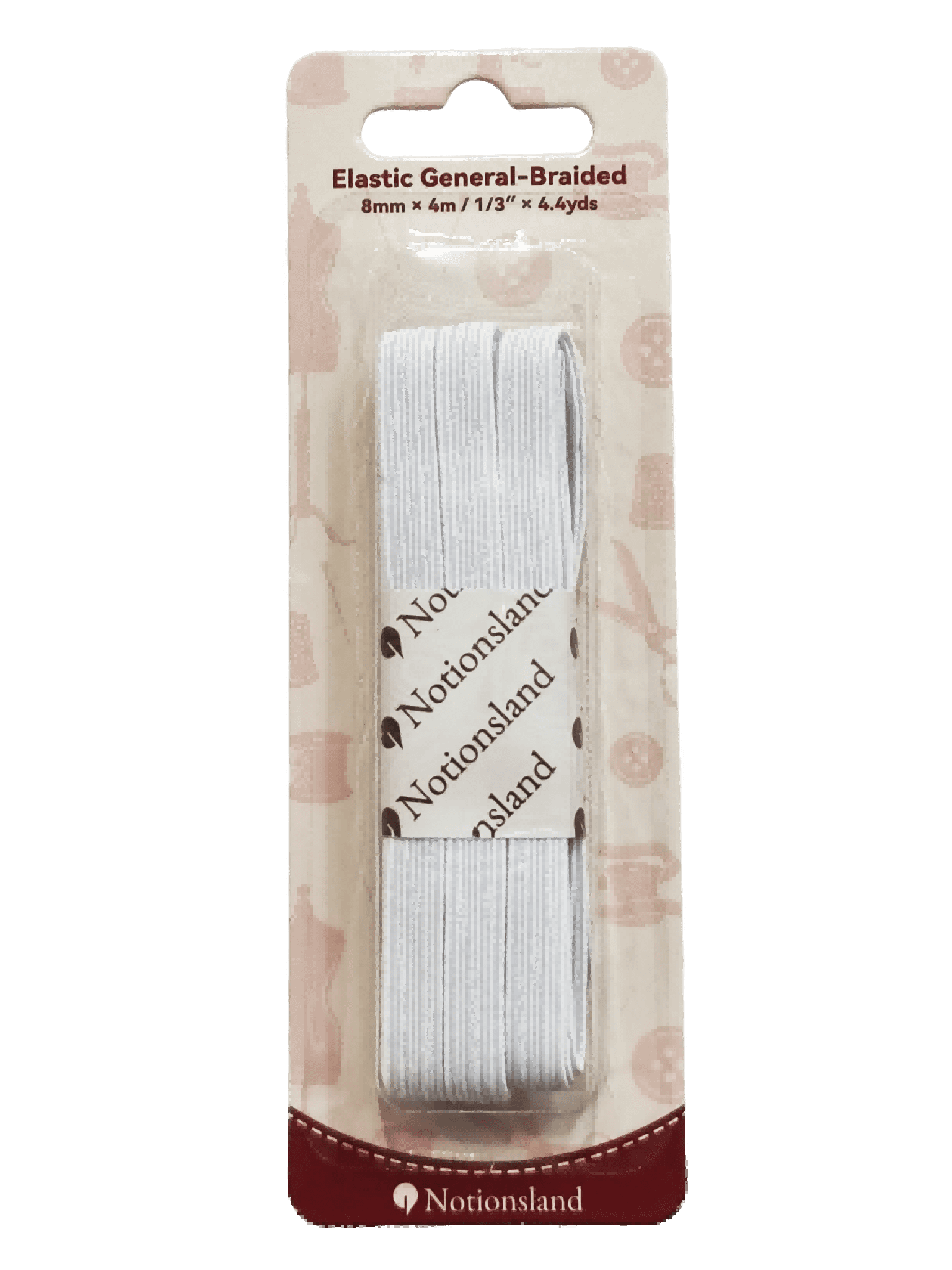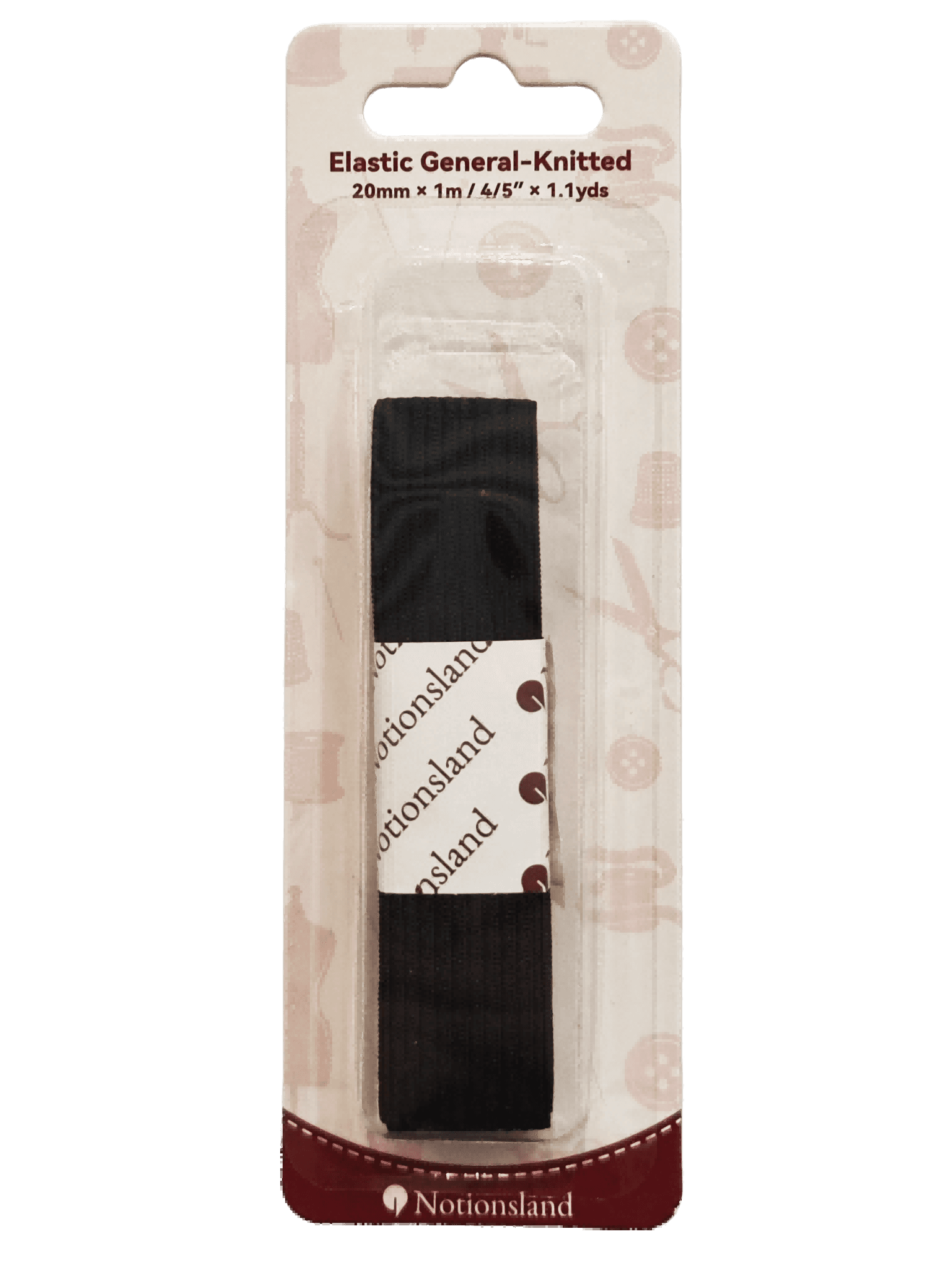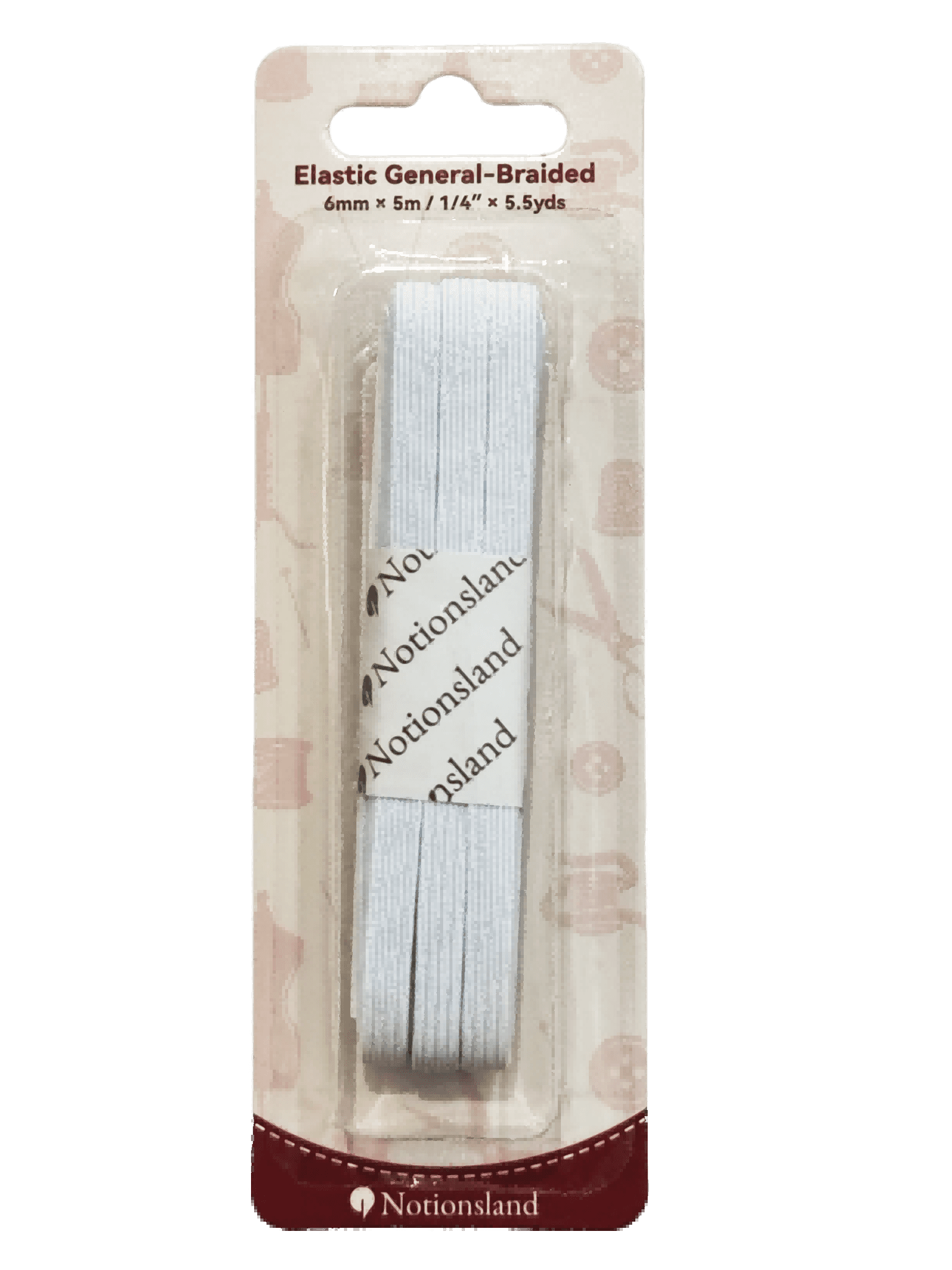
Engineered Braided Elastic for Waistbands & Underwear (The "Workhorse")
Garment factories, millinery studios, and commercial notion distributors face a constant battle against elastic degradation, edge-curling, and structural slackness. Integrating industrial-grade Braided Elastic for Waistbands & Underwear (The "Workhorse") into your product lines solves this critical durability bottleneck, providing consistent tension retention that outlasts demanding wash-and-wear cycles. Sourcing elastic components should never be an afterthought; settling for sub-par cores risks costly seam rework and product returns. Whether your floor requires wide band elastic for base layers or precision-wound narrow cord for specialized apparel closures, braided elastomeric structures deliver reliable mechanical recovery across diverse garment configurations.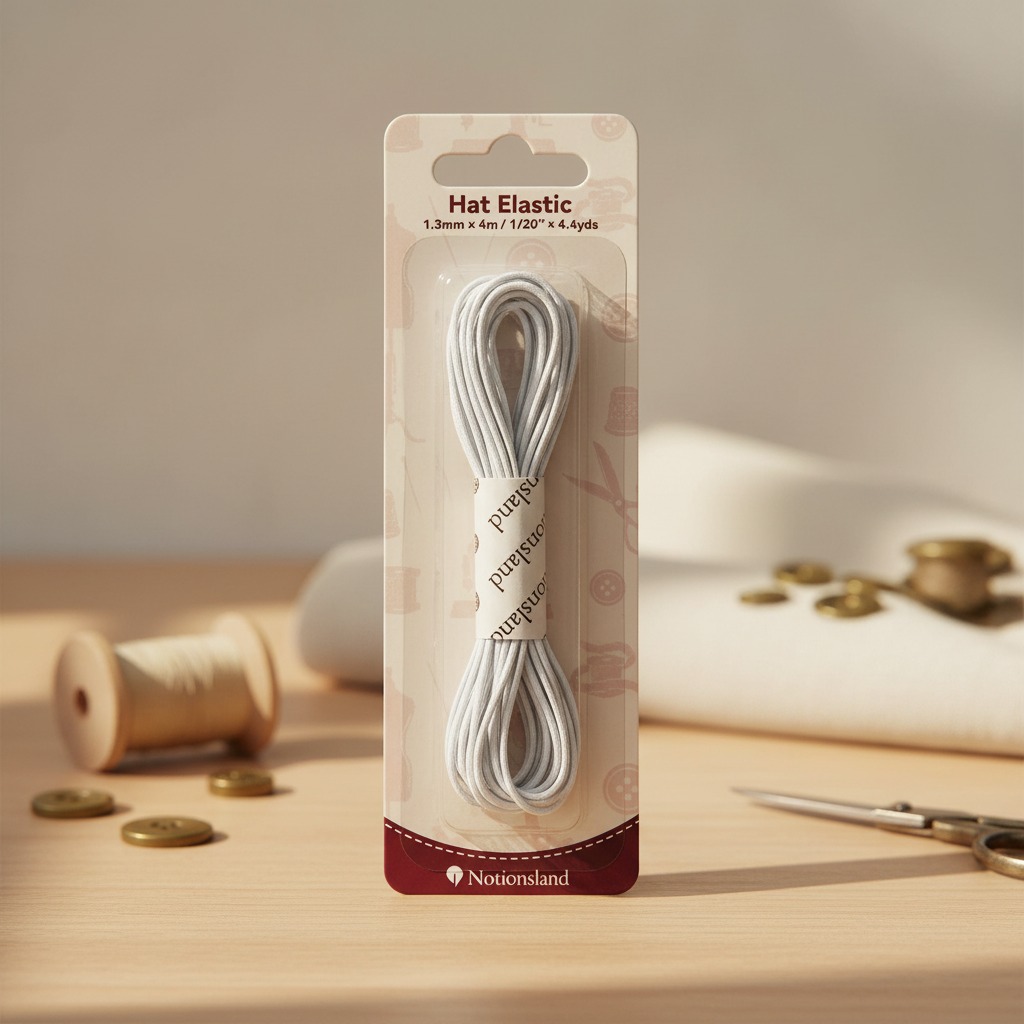
Product Overview: From Heavy Casing Bands to Micro-Cord
Braided elastics earn their reputation as the industry workhorse because of their unique cross-diagonal yarn architecture. Unlike woven or knitted variants, braided constructions narrow under tension, generating firm grip inside fabric casings. This structural principle scales across dimensions—from wide internal waistbands down to narrow millimeter-gauge ties.
Commercial notions and apparel accessories often demand ultra-narrow profiles. An example from the craft and millinery sector includes narrow white hat elastic cord, typically supplied on retail backing cards in dimensions such as 1.3 mm × 4 m (approximately 1/20 in × 4.4 yd). These narrow cords feature a braided or covered exterior jacket surrounding an elastomeric core, engineered to provide flexible retention without excessive bulk. Apparel manufacturers frequently source these versatile profiles in bulk spools or packaged formats to serve both production lines and wholesale notion inventories.
Technical Specifications and Core Capabilities
Selecting the correct braided elastic profile requires matching stretch ratio, recovery force, and dimensional tolerance to the exact sewing method:
Structural Matrix
Braided elastics are built on multi-spindle braiders where longitudinal elastomeric strands remain under calculated tension while outer yarns interlace tightly over them. This sleeve shields the core from needle strikes, perspiration, and mechanical friction.
Dimensional Parameters
Commercial specifications range from narrow cords (1.0 mm to 3.0 mm) suited for face masks, loops, and millinery ties, up to wider profiles (12 mm to 50 mm) designed for heavy-duty trousers, boxers, and athletic wear. Packaged notions often target shorter consumer-ready cuts, while apparel plants utilize continuous rolls of 100 meters to 500 meters to reduce line splices.
Complementary Trims
For multi-category production lines, braided bands anchor the garment core, while distinct trims support specialized zones. For example, producers often pair standard waist elastic with Knit-In Elastic Yarn for Socks & Cuffs (Specialty Fiber) to maintain seamless elasticity at garment extremities, or configure millinery collections by pairing narrow cords with an Adjustable Hat Sweatband & Visor Insert (Functional Hardware) for structured headwear stability.
Materials, Sheaths, and Finish Variations
Performance hinges on how the elastomeric core interacts with the surrounding protective cover. Commercial supply chains generally utilize two primary elastomeric cores:
Natural extruded rubber offers powerful snapback and high initial resistance, making it suitable for durable utility garments and loose casing insertions. Synthetic elastane (spandex) cores deliver enhanced resistance to body oils, dry heat, and chlorine, making them preferable for next-to-skin underwear and high-frequency washing.
The protective outer braid typically consists of multifilament polyester or texturized nylon yarns. Polyester delivers excellent abrasion resistance, fast drying, and ultraviolet stability. Nylon provides higher tensile strength and a softer hand-feel for intimate apparel. While standard runs feature optical white or jet black, yarn-dyed covers and custom colorways allow matching to specific shell textiles.
Industrial Manufacturing Process
High-consistency braided elastic is produced through precise stages:
First, elastomeric strands undergo controlled feeding from continuous creels, maintaining uniform tension across all parallel core lines. Second, multi-carrier braiding machines rotate bobbins in clockwise and counter-clockwise tracks, laying down an interlocked protective sheath over the core. Third, the braided cord moves through heat-stabilization chambers to relax tension, minimize shrinkage during subsequent sewing, and set the finished profile. Finally, products are inspected and wound onto spools, reels, or automated carding lines for retail notion distribution.
Application Scenarios Across Apparel and Headwear
Due to its high tensile strength and narrow expansion profile, braided elastic serves critical roles across garment manufacturing:
Underwear and Loungewear Casings
In casing applications where the elastic is not directly topstitched through the core, Braided Elastic for Waistbands & Underwear (The "Workhorse") provides dependable long-term clamping force, preventing garment slippage without irritating the wearer.
Headwear, Millinery, and Mask Construction
Narrow cords—such as 1.3 mm white braided hat cord—provide unobtrusive retention for sun hats, costume wear, fascinators, and children's headwear. When millinery makers need an internal adjustment mechanism, they often pair these cords alongside an Adjustable Hat Sweatband & Visor Insert (Functional Hardware) to guarantee both perimeter comfort and secure anchoring.
Activewear and Base Layers
Sportswear applications demand elastic combinations that tolerate extreme dynamic movement. Garment engineers combine braided waistband platforms with Knit-In Elastic Yarn for Socks & Cuffs (Specialty Fiber) across active wear suites to maintain balanced compression and fit stability from waist to ankle.
Quality Control and Compliance Considerations
Evaluating elastic requires empirical verification rather than visual appraisal. Visible retail samples indicate braid consistency and packaging presentation, but reliable manufacturing partners back their output with structured quality control checks:
Stretch-and-recovery testing measures residual elongation after multiple full-extension cycles to ensure the core does not take a permanent set. Needle-penetration testing ensures the outer braided yarn sleeve does not fray or rupture during high-speed multi-needle sewing. Colorfastness to washing and perspiration guarantees the white or dyed yarn will not bleed into shell fabrics.
Buyer Decision Factors for Commercial Procurement
When choosing your braided elastic program, evaluate your order against these operational criteria:
1. Enclosed Casing vs. Direct Stitching: Braided elastic narrows when stretched and can lose recovery if heavily pierced by stitching needles. It performs best inside clean fabric tunnels and casings. If topstitching directly through the band, evaluate knit elastic options instead.
2. Packaging Format: Determine whether your facility needs large flanged spools for automated cutting tables, festooned boxes for tension-free feeding, or individual blister/card mounts for retail re-distribution.
3. Wash and Environmental Exposure: Base your core selection (synthetic elastane versus natural rubber) on the expected thermal cleaning cycle and chemical exposure of the finished garment.
Secure Your Supply with Reliable Elastic Solutions
Do not let inconsistent elastic tension or seam failures undermine your apparel or notion line. Relying on proven Braided Elastic for Waistbands & Underwear (The "Workhorse") guarantees your garments preserve their structural integrity, fit, and consumer trust. Contact our technical sourcing team today to request custom widths, fiber specification sheets, and sample reels tailored to your manufacturing requirements.