
Beginner embroidery kits wholesale should be designed around the learner's first finished motif, not around the maximum number of supplies that fit in a box. Onehourcrafts recommends tracing the complete path from opening the pack to recognizing the next action, forming a small credible result, recovering from an error and displaying the work. This learning-path evidence gives buyers a better approval standard than a component count alone.
Define the smallest result worth finishing
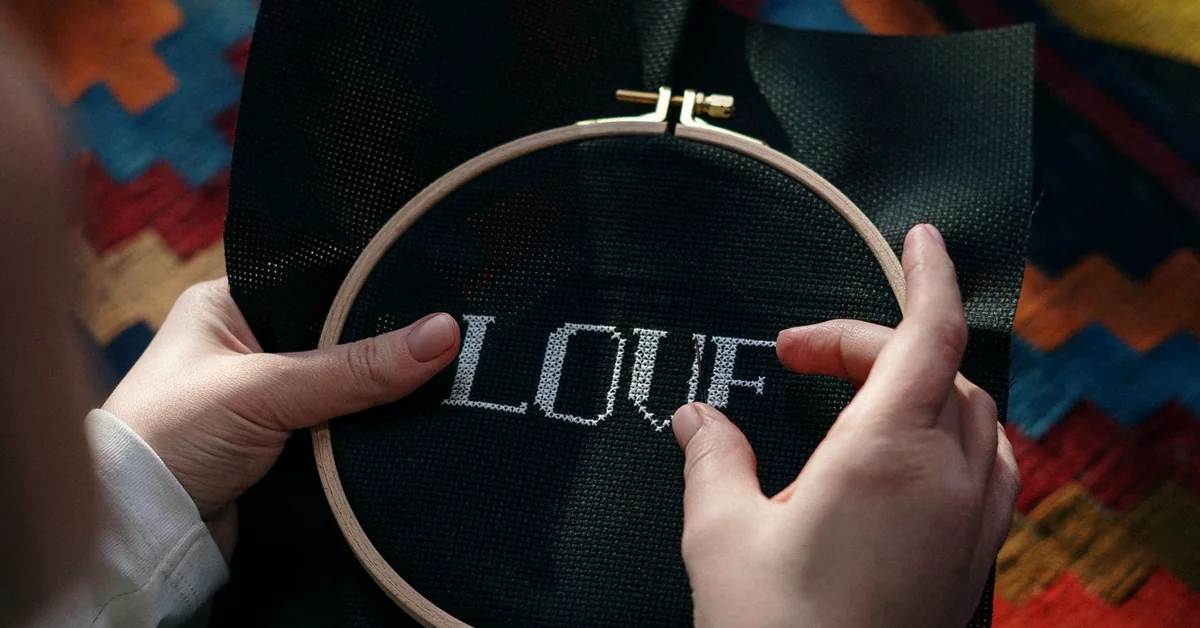
Choose a motif that looks intentional when completed and demonstrates the core actions of the kit without requiring every technique. Record its finished dimensions, visible boundaries and expected sequence. A tiny anonymous test line may be easy, but it does not necessarily give the learner a satisfying checkpoint. The first result should prove progress while leaving space for the larger design.
Work backward from the reveal moment
Describe what the learner sees when the first motif is complete, how they know it is complete and what they do next. Then reverse the sequence through final stitch, direction changes, thread management, needle preparation, fabric placement and opening the pack. This backward plan exposes hidden assumptions in instructions and shows where an adult, teacher or support resource may be expected.
Count decisions, not printed steps
A single instruction can contain several choices: select a strand count, find a start point, orient the fabric and identify a stitch. Mark every moment where the learner must decide, search, measure, separate, thread, secure, correct or stop. Reduce unnecessary branching before adding more explanation. A kit becomes easier when the decision path is clearer, not when the booklet merely grows longer.
Create a first-motif burden map
| Stage | Potential burden | Evidence to observe |
|---|---|---|
| Open | Parts are hidden or unlabeled | Time to inventory components |
| Prepare | Fabric or thread setup is unclear | Help level and repeated attempts |
| Start | Entry point is difficult to find | First correct action |
| Stitch | Direction or tension is uncertain | Questions and recoveries |
| Finish | Endpoint is not recognizable | Independent completion |
- Mark every search for a component or symbol.
- Record every request for help and its trigger.
- Identify steps repeated after an incorrect result.
- Separate material difficulty from instruction ambiguity.
Make the component map visual
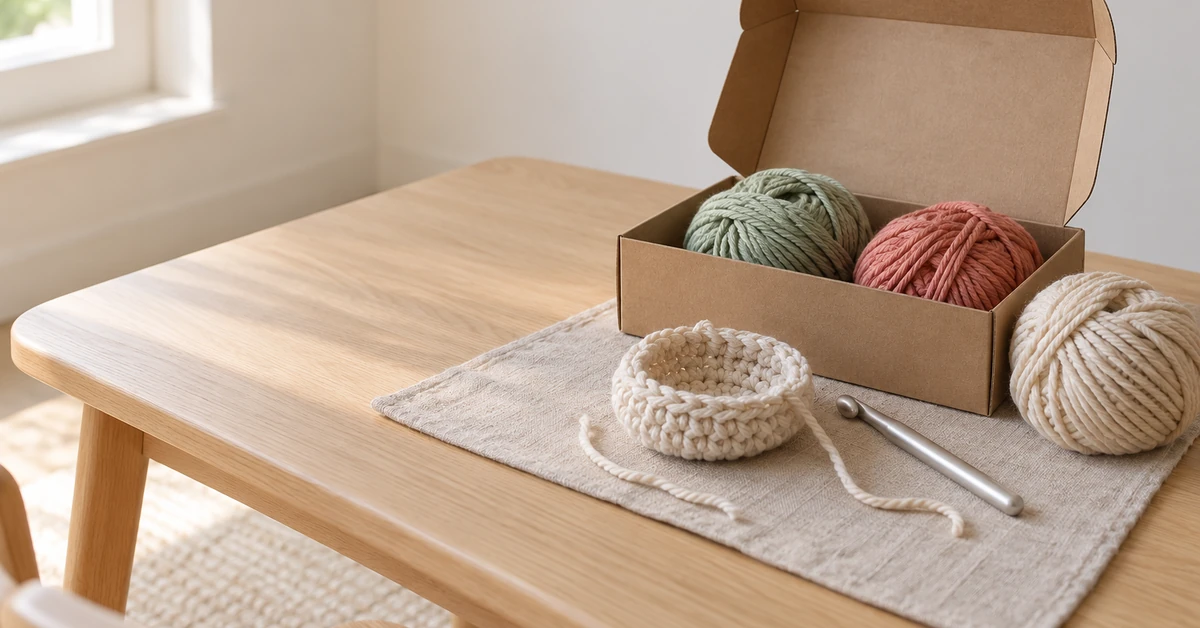
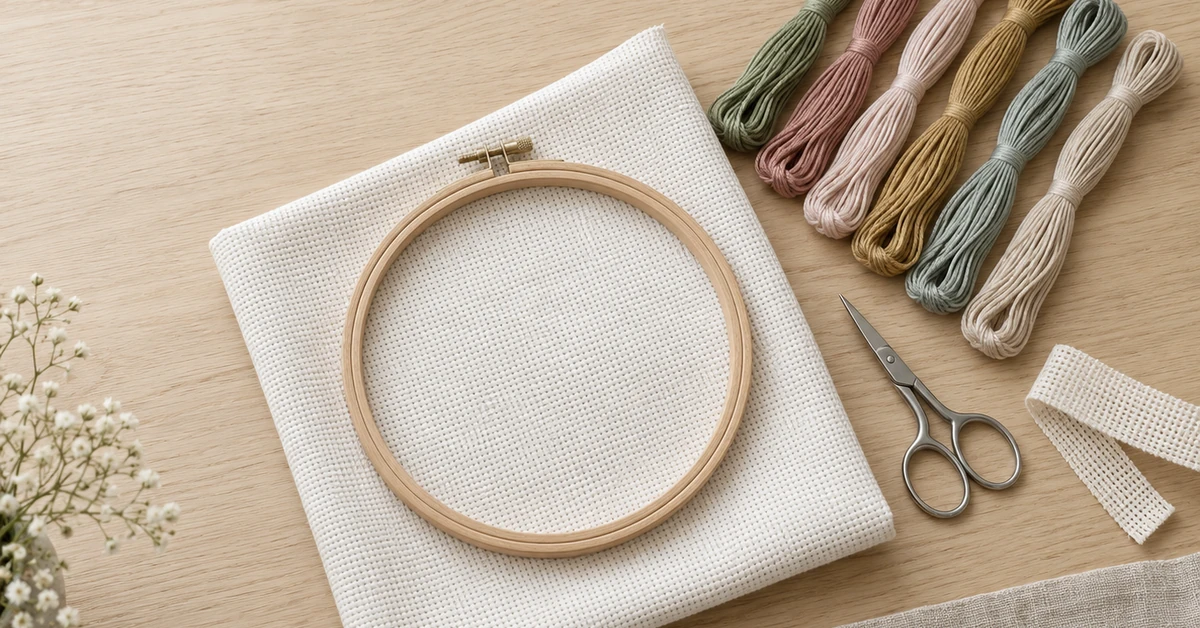
Show every supplied item in a labeled layout that matches the actual pack. Connect tools and materials to the step where they first appear. Separate included contents from optional household items. Wholesale embroidery kits should not force a novice to guess whether a missing-looking object is hidden, optional or omitted. Use real production-intent components rather than idealized illustrations. GS1's GTIN overview provides general product-identity context for distinct sellable kit versions.
- Match the layout to the actual opening view.
- Name each component with the instruction term.
- Show count and approved variant where needed.
- Mark optional items outside the supplied-content boundary.
Engineer the first five minutes
Observe whether the learner can identify the design, fabric orientation, hoop parts, thread and needle without premature handling of sharp tools. The first minutes establish confidence and safe, orderly setup. Keep nonessential accessories out of this opening path. The embroidery hoop assortment guide helps connect hoop choice with kit role and presentation.
Use one orientation system everywhere
Match top, front, start point, color key and motif orientation across fabric, chart, booklet, video and package image. Do not rotate the design for visual convenience in one asset. Add landmarks that remain visible during work. If a chart must be mirrored or viewed from another side, state that change explicitly at the moment it occurs.
Sequence thread preparation before stitch teaching
Many beginner failures happen before the named stitch begins. Show how the thread is identified, cut, separated where required, passed through the needle and managed at the start. Define which steps depend on the intended design and materials. A beginner embroidery kit supplier should validate these preparation instructions with the exact production thread, needle and fabric.
Teach one stitch through three views
Use a path diagram, a close view of the hand action and a picture of the expected fabric result. Label front and back where relevant. Avoid decorative illustrations that obscure entry and exit points. Ask trial participants what they think will happen before they act; a correct result reached through guessing may hide an unclear explanation.
Design a visible recovery lane
Show what to do when thread tangles, a stitch enters the wrong point, tension looks uneven or the learner loses the sequence. Define when to undo, when to continue and when to seek help. Keep recovery advice near the relevant step rather than in a distant troubleshooting page. The lane should reduce frustration without promising that every mistake is harmless or invisible.
Use color order to protect momentum
Sequence colors so the learner can finish a recognizable section before managing many changes. Identify thread with names and codes rather than color alone. Confirm that the pack organization preserves this order after transport. For larger assortments, seasonal embroidery planning can help distinguish design timing from the core learning path.
Observe hands, pauses and questions
Run trials with representative beginners using sealed production-intent packs. Record the time and help level for opening, identification, preparation, first correct stitch, recovery and first motif completion. Note exact questions and long pauses. Do not coach silently or tidy the setup between stages. Those interventions would remove the evidence the instructions need.
Report trials without turning them into universal claims
State participant profile, sample version, environment, support rules and observed results. One successful participant does not prove that a kit is easy for everyone. Compare patterns across users and revise the smallest responsible layer: component label, diagram, sequence, material or design. The embroidery skill-curve guide provides a framework for separating starting ability from kit difficulty.
Pack the learning sequence, not just the parts
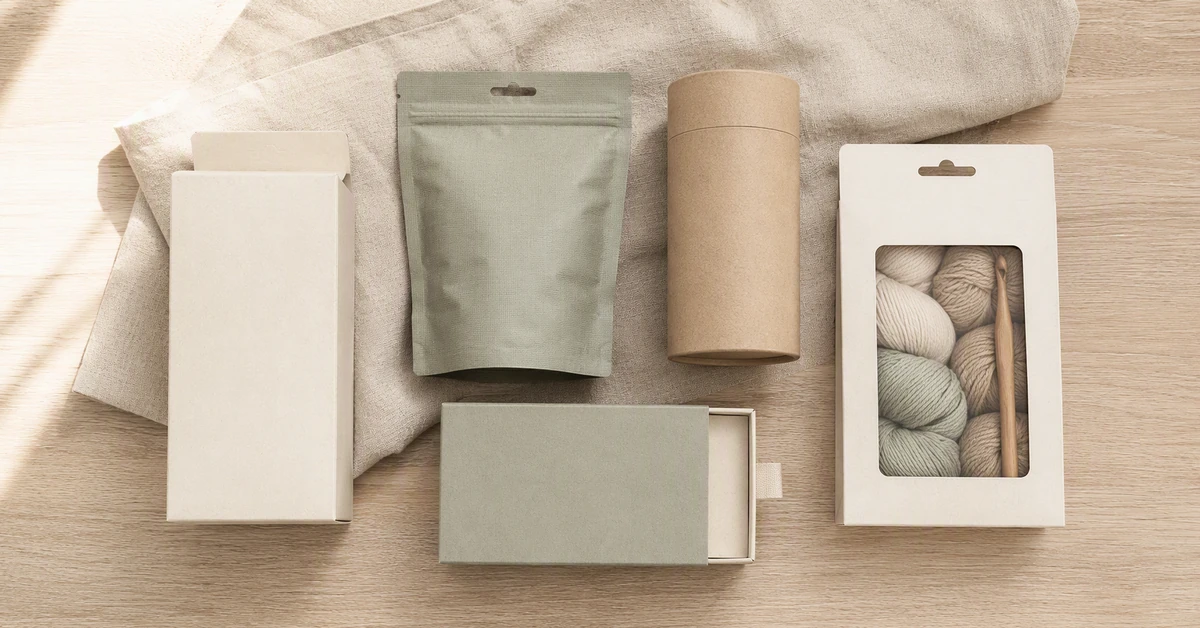
Arrange contents so the first required materials appear predictably and small components remain countable. Protect needles and other tools through the intended handling route. A pack-out image should show actual positions and restraints. Embroidery starter kits bulk orders need the same opening logic across units; otherwise the instruction path changes with every carton.
Make the shelf promise match the first session
State included contents, intended experience, approximate project scope and any relevant support without guaranteeing completion time or universal ease. Use images from the supplied design and actual materials. If additional equipment or supervision is expected, communicate it where the purchase decision is made. Review destination-specific obligations through appropriate qualified resources; CPSC Business Education is a starting point for United States context, not product approval.
Send a first-result RFQ
For beginner embroidery kits wholesale, provide intended learner profile, channel, design files, finished size, first-motif target, materials, tools, instruction languages, packaging, quantities, destinations and trial expectations. Ask for component maps, production-intent samples, pack evidence, material identities, change rules and production checks. Keep unresolved choices visible so the quotation identifies assumptions.
Approve through the learner's seven moments
- Recognize the project and orient the pack.
- Inventory and prepare the required components.
- Locate the correct first action.
- Complete a repeatable stitch sequence.
- Recover from a defined common error.
- Recognize the first finished motif.
- Store, continue or display the work appropriately.
How Onehourcrafts supports first-result evidence
Onehourcrafts can connect design scope, component mapping, instruction sequence, observed trials, pack-out and controlled revisions around the first visible success. Strong beginner embroidery kits wholesale offers do not remove every challenge. They make the next action legible, the supplied system coherent and the learner's progress observable before a retail order expands.
Frequently asked questions
What is a first finished motif?
It is the smallest intentional section that demonstrates core actions and gives the learner a recognizable completed result.
Why count decisions instead of instruction pages?
Learners experience choices and searches, so a short-looking step may still hide several difficult decisions.
What should a component map show?
Show every supplied part, its approved identity, actual pack position and the step where it first becomes relevant.
How should beginner trials be run?
Use representative participants and sealed production-intent packs, define help rules, and record actions, pauses, questions, errors and recoveries.
Does one fast completion prove the kit is easy?
No. Report the participant, conditions and version, then look for repeatable patterns across suitable users.
What instructions should appear before the first stitch?
Cover component identification, orientation, setup, thread preparation, tool handling and the exact starting point.
How can color confusion be reduced?
Use names or codes with color, organize threads consistently and match the key across fabric, booklet and digital support.
What belongs in a recovery lane?
Include recognizable common problems, bounded next actions, undo or continue guidance and clear points for seeking help.
Should packaging follow the instruction order?
Yes, where practical. Predictable placement reduces searching and helps preserve the intended opening and setup sequence.
What should buyers approve before production?
Approve the design version, component identities, instructions, first-result trial evidence, pack-out, labels, route condition and change process.