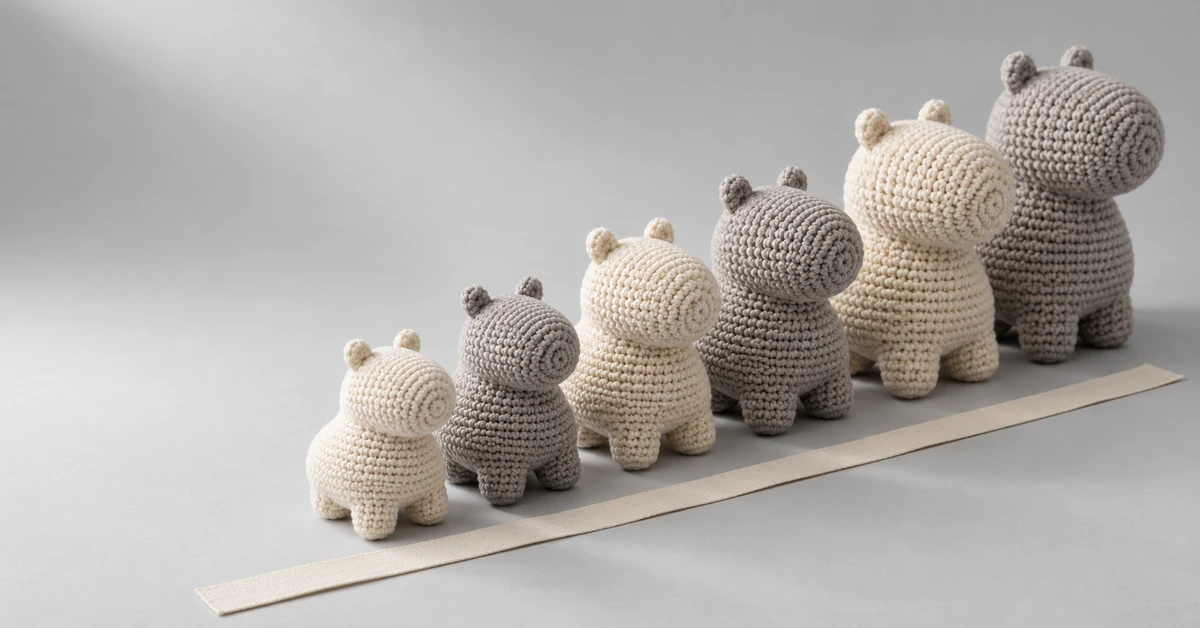

A BSCI craft products factory should be reviewed as an evidence file, not accepted as a badge on a supplier profile. The report can reveal how one site performed on one audit date, but a buyer still needs to confirm the legal entity, production address, corrective actions, order controls and current working conditions before making a sourcing decision.
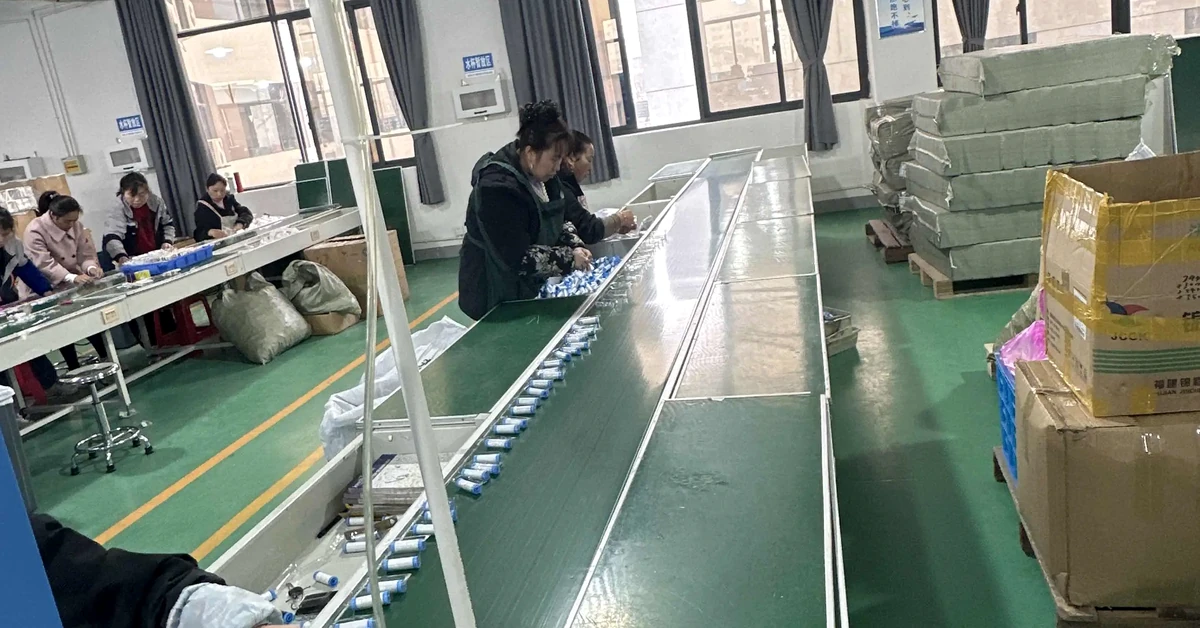
The file that starts the investigation
Begin with the full audit report and its attachments. A screenshot of a rating, a certificate-shaped summary or a platform badge is not enough. Record the audit date, audit type, site address, producer name, validity window, rating and the business partner that requested the audit. The amfori explanation of BSCI ratings makes an important distinction: the rating reflects evidence assessed against performance areas. It is not a permanent guarantee about every shift, building or subcontractor.
Create a one-page cover sheet before reading the findings. This keeps identities and dates visible when several versions of a report are circulating.
- Legal producer name and any trading name used in quotations
- Exact audited address, including building, floor and industrial park
- Audit date, announced status, audit type and current rating
- Reported headcount, peak-season headcount and production activities
- Open findings, target dates and owner for each corrective action
Match the audited site to the purchase order
The strongest report is irrelevant if the order will be assembled elsewhere. Compare the address on the audit with the address on the business license, quotation, sample label, bank record, packing list and planned purchase order. Ask which steps occur on site: material receipt, cutting, kitting, needle or tool packing, printing, final inspection and carton loading. If a second facility handles one of these steps, place it in the supply map rather than treating it as an informal detail.
| Identity signal | Evidence to request | Gap to resolve |
|---|---|---|
| Producer name | Business license and report cover | Trading company presented as factory |
| Production address | Report, invoice and sample dispatch record | Sample came from a different site |
| Process scope | Floor plan and process flow | Packing or printing omitted |
| Worker count | Audit profile and current roster total | Peak labor not represented |
Read the rating as a map, not a verdict
A single letter or overall result compresses many observations. Open the performance-area detail and separate three things: what was compliant, what evidence was missing and what practice was non-compliant. A document gap may require a different response from an unsafe physical condition. Buyers should also note whether a finding is isolated, recurring or connected to production pressure. The published amfori audit rating methodology is useful for understanding how findings influence the overall result.
- Mark every finding that can affect worker safety or legal working time.
- Mark findings whose root cause may intensify during a rush order.
- Separate closed evidence from promises and planned dates.
- Connect each material issue to a commercial control or follow-up check.
Build an evidence ladder for every finding
A corrective-action statement is the bottom rung. Above it are dated policies, records, photographs, worker communication, training attendance and evidence that the new practice has continued. For example, “training completed” is weaker than a training record plus interviews showing that workers know the procedure. “Overtime reduced” needs time records across a meaningful period, not one quiet week.
| Evidence level | Example | Buyer interpretation |
|---|---|---|
| Intent | Management promises a change | Not yet verified |
| Document | Revised policy or procedure | Control is designed |
| Implementation | Dated records, photos or training logs | Control has started |
| Persistence | Records across multiple periods | Control may be operating |
| Independent check | Follow-up audit or other verification | Closure has stronger support |
Translate social findings into order controls
Ethical craft product sourcing becomes practical when the report changes buying behavior. Excessive overtime risk may call for a realistic lead time, frozen artwork dates and limits on late quantity increases. Temporary-worker documentation gaps may require peak-season roster checks. Weak chemical management can trigger a separate review of adhesives, inks or coatings. A buyer should not use price pressure and repeated last-minute changes while expecting the factory alone to protect working hours.
Add the relevant controls to the purchase specification and production calendar. Our craft kit batch traceability checklist shows how order identity can stay attached to materials and finished packs, while the OEM craft products manufacturer guide helps connect development milestones to production evidence.
Keep product quality on a separate track
A social audit does not automatically prove needle sharpness, yarn colorfastness, glue performance, component count or packaging accuracy. Run product qualification in parallel. Define the approved sample, bill of materials, tolerances, test methods, inspection level and defect classifications. A craft products manufacturer China search may surface socially audited suppliers, but buyers still need product-specific validation. The same is true when comparing a craft supplies factory China listing with a direct manufacturer.
For kits that may remain in storage, use a storage stability test to check packaging and component behavior over time. Keep those results in the product file rather than inserting them into the social-compliance conclusion.
Interrogate the production calendar
Ask for a capacity view that covers the weeks before shipment, not only an annual number. Compare confirmed orders, planned lines, staffing assumptions, public holidays and outsourced processes. The point is not to obtain a perfect forecast. It is to identify where a compressed order could create pressure and agree on escalation rules before pressure becomes hidden overtime or unapproved subcontracting.
- Freeze dates for artwork, packaging and material substitutions
- Maximum weekly output under normal staffing
- Approval route for overtime, extra shifts or outside processing
- Cutoff for quantity increases without changing ship date
- Weekly status evidence during the highest-risk production window
Track corrective actions like project work
Convert each material finding into a ledger with an owner, target date, evidence requirement and review outcome. Avoid a vague “closed” field. Use statuses such as proposed, implemented, evidence received, buyer reviewed and independently verified. If evidence is incomplete, record exactly what is missing. This prevents a newer email from obscuring an older unresolved issue.
| Finding | Root cause | Action | Evidence | Next gate |
|---|---|---|---|---|
| Example only | Planning or control gap | Specific process change | Dated records over time | Review before deposit |
Schedule checks around risk events
A calendar-only review may miss the moment conditions change. Place checks around events: sample approval, deposit, material release, peak assembly, pre-shipment inspection and renewal of the social audit. Requesting an audit also follows defined platform roles; amfori explains the producer audit-request process. Buyers should confirm who controls the relationship and who will receive updated results.
- Before nomination: verify identity, scope and report authenticity.
- Before deposit: agree on open-action gates and production timing.
- During production: check the risk events linked to the order.
- Before shipment: review required evidence and product inspection separately.
- After shipment: record issues that should influence the next order.
Where Onehourcrafts adds operating evidence
When reviewing a BSCI craft products factory, Onehourcrafts can organize the inquiry around the actual product route: component sourcing, assembly, packing, inspection and shipment. Buyers can request the relevant site documents, current corrective-action evidence, product specifications and order-control milestones in one supplier discussion. The aim is a traceable decision file, not a claim that one document removes every sourcing risk.
Use three possible decision outcomes
A binary approve-or-reject decision encourages teams to ignore uncertainty. A more useful result is approved, conditionally approved or not approved. Conditional approval should name the volume limit, evidence deadline, excluded process or shipment gate. It also needs an owner who can stop progression when the condition is not met.
Frequently asked questions
Does a good rating guarantee current conditions?
No. It is evidence from an audit period and scope. Buyers should review dates, open findings and changes since the audit.
Is BSCI a product-quality certification?
No. Product specifications, safety requirements and quality inspection require separate controls and evidence.
Should buyers accept a report summary?
A summary can support triage, but due diligence should use the complete report and site details where access permits.
What if the quotation name differs from the producer?
Map the legal producer, exporter and trading entity, then make their roles explicit in the order file.
How should open findings be handled?
Assess severity, root cause and order relevance, then set evidence-based gates rather than accepting a general promise.
Can an audit replace a factory visit?
Not automatically. The need for a visit or another verification depends on risk, access, timing and available evidence.
What matters most in a corrective-action plan?
A specific root cause, accountable owner, deadline, sustained evidence and a defined method for checking closure.
How often should the file be refreshed?
Refresh it when the audit changes, a major order begins, production moves, ownership changes or material risks emerge.
Does a small order need the same review?
The depth may be proportionate, but identity, scope and serious-risk checks remain relevant at any order size.
What should an inquiry include?
Include product scope, volume, timing, destination market and a focused request for audit, action and factory evidence.
Close the dossier without closing your eyes
The final record should explain why the supplier was approved, what remains uncertain and which gates still apply. Treat a BSCI craft products factory as a current, verifiable operating relationship: authenticate the site, read the findings, connect them to the order, keep product quality separate and review evidence again when conditions change.